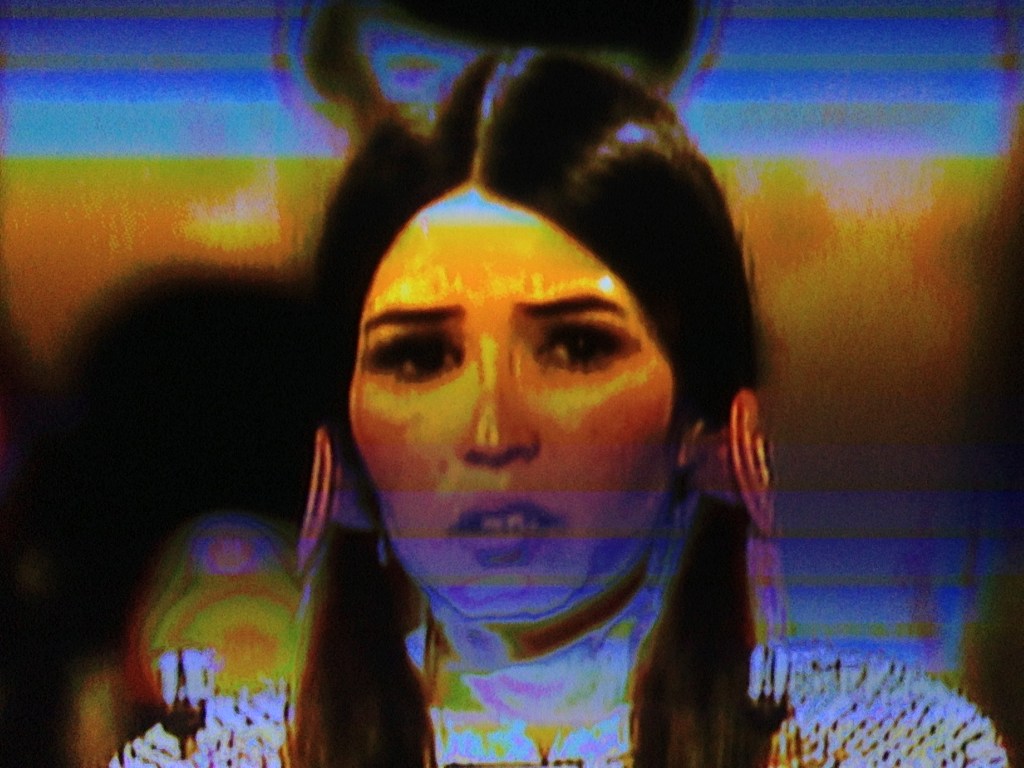
Last evening I watched a film on Netflix entitled “The Reel Injun.” Midway through the film, the director profiled when Sacheen Littlefeather presented a speech on behalf of actor Marlon Brando, for his performance in The Godfather, when he boycotted the 45th Academy Awards ceremony on March 27, 1973, in protest of the treatment of Native Americans by the film industry (description via Wikipedia). She wore an Apache dress on the occasion (above). The film inspired me to underscore a finding from our recent Harvard Educational Review paper entitled Illusion of Inclusion. Native American leaders are completely excluded from the U.S. Social Studies standards in Texas. We found:
Overall, fifty-one of the historical figures in the U.S. history TEKS are White. Of the twenty-four historical figures that comprise content knowledge recognized in the TEKS as mandatory for students to learn, only three are African American and two are Latina/o. None of the individuals are Native American or Asian. This stands in stark contrast to the nineteen White historical figures that made the “including” list. We identify a similar pattern among the list of historical individuals that fall into the “such as” category. While thirty-two White individuals are in the list, seven African Americans and four Latinos receive this designation. Neither Native American nor Asian historical figures are represented in the optional group.
Including=Required and Such As=Optional
Our comprehensive textual analysis that went beyond leaders to all TEKS addressing groups of color found:
Our findings illustrate that although there are a modest number of TEKS specifically addressing the history of African Americans and Latinos—Native American and Asian American history remains largely invisible.
These silences (e.g. Asian American and Native American history) enabled by standardization leave open to fiat whose history gets included and how.
Is the history of Native Americans also inadequate in the standards in your state? Is there an “Illusion of Inclusion”?
Food for thought: The Common Core Standards avoid social studies standards.
Also, coming soon to Cloaking Inequity: A new peer reviewed article about culturally relevant pedagogy and Native students will be published in an upcoming special issue of the American Journal of Education entitled “Leadership in American Indian and Alaska Native Education: Opportunities and Challenges” edited by Dr. Susan C. Faircloth.
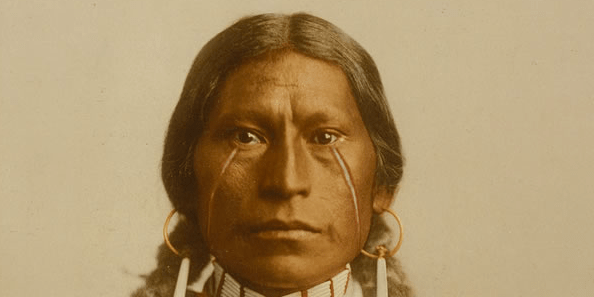
Let us put our minds together and see what life we can make for our children. Sitting Bull

In our every deliberation, we must consider the impact of our decisions on the next seven generations. Iroquois Maxim (circa 1700-1800)
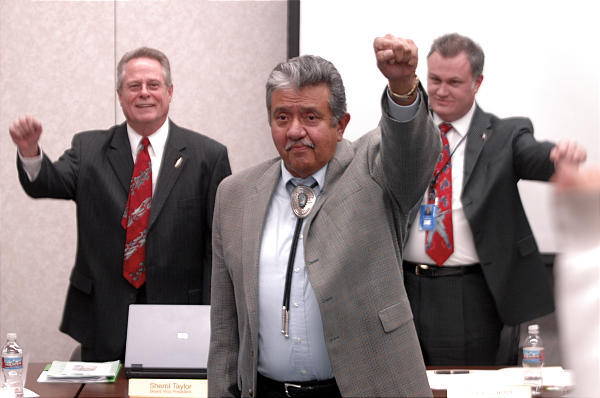
Children learn from what they see. We need to set an example of truth and action. Howard Rainer, Taos Pueblo-Creek (2012)

I am poor and naked, but I am the chief of the nation. We do not want riches but we do want to train our children right. Riches would do us no good. We could not take them with us to the other world. We do not want riches. We want peace and love. Red Cloud, Oglala Lakota Sioux (1822-1909)
Facebook Like, Tweet, etc below to share this discussion with others.
Want to know about Cloaking Inequity’s freshly pressed conversations about educational policy? Click the “Follow blog by email” button in the upper left hand corner of this page.





 Cloaking Inequity
Leave a comment