
In Marvel’s Thunderbolts (2025), one line captured my attention immediately and echoed in my mind long after the credits roll: “Righteousness without power is just an opinion.” Spoken by Valentina Allegra de Fontaine, played by Julia Louis-Dreyfus, the line is said within the movie during an exchange with her assistant Mel. The context is chilling. Val, as she is often called, is orchestrating the recruitment of a team of morally ambiguous antiheroes, and she explains in blunt terms why conviction alone means very little in the world she inhabits.
For longtime fans of the Marvel Cinematic Universe, the statement feels like a deliberate challenge to everything that earlier heroes like Steve Rogers stood for. Captain America once declared, “I can do this all day,” embodying a faith that righteousness itself carried weight. Valentina strips away that romanticism and asserts that without power, righteousness is simply background noise.
The line encourages me to ask whether this is true in the real world as well. At its core, righteousness is the quality of aligning with a moral or ethical principle that transcends personal gain. It is what inspires individuals to march for justice, to speak truth to power, or to dedicate their lives to service. Yet righteousness can also remain inert if it is not translated into influence. Many people feel deeply about issues but never move beyond private conviction. If righteousness is never paired with the means to effect change, it risks being little more than concern. Valentina’s words remind us that the leap from being right to making a difference requires some form of power.
Power can be hard or soft, visible or invisible. Hard power includes law, money, and political strength. Soft power includes communication, persuasion, and trust. There is also the power of persistence, the ability to remain in the fight until the opposition falters. When we examine the great movements of history, it becomes clear that moral claims alone were never sufficient. The abolition of slavery required not only the righteous conviction of abolitionists but also the political and Northern military leverage that forced change. The expansion of women’s suffrage needed both passionate argument and relentless organizing to pressure legislatures.
The civil rights movement in the United States provides perhaps the clearest modern example of righteousness meeting power. Preachers, students, labor, activists and more created a coalition that carried moral conviction, but it was the mass mobilization of people, the economic pressure of boycotts, the political influence of allies, and the cultural force of televised images that together produced change. Martin Luther King Jr. embodied righteousness, but he also understood power, staging events that dramatized injustice so that it could no longer be ignored.
The cynical interpretation of Valentina’s statement is that righteousness without power is irrelevant. Opinions are plentiful, and most fade without leaving any mark. History is littered with uprisings and movements that could not sustain themselves because they lacked the levers of power. Many revolts were crushed, and many rights campaigns disappeared without achieving systemic change. This reading aligns perfectly with Valentina’s worldview. She is a creature of espionage and manipulation in the film, a leader who views ideals as tools to be used when convenient but discarded when inconvenient. In the morally murky world of Thunderbolts, righteousness is a weakness. Power alone counts.
Yet history also complicates her claim by showing us that righteousness can itself generate power. Mahatma Gandhi’s commitment to nonviolent resistance seemed powerless in the face of the British empire, but it became a force that delegitimized their rule and inspired global movements. Rosa Parks’ refusal to give up her bus seat was a well-planned act of personal conviction, yet it catalyzed a mass movement that reshaped a nation’s conscience. In these cases, righteousness was not an empty opinion but the seed of transformative power. By exposing hypocrisy and injustice so starkly, moral conviction drew people into action and made neutrality impossible. The righteousness of a few can create the power of many!
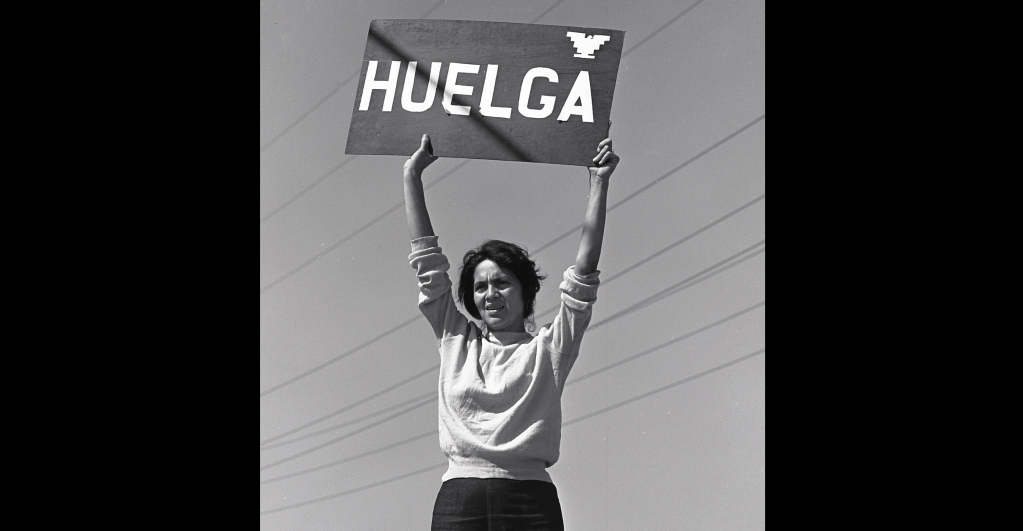
For those of us outside the Marvel Universe, the charge is to decide how to respond. If we embrace Valentina’s cynicism, we risk reducing all moral claims to mere tactics and abandoning the possibility of principled leadership. If we cling to righteousness without considering power, we risk consigning ourselves to irrelevance. The truth lies in the interaction between the two. Conviction must be paired with influence, and influence must be guided by principle. This dynamic is the engine of real social progress. The abolitionists who fought slavery needed both the righteousness of their cause and the political and military victories of the Civil War that ultimately secured it. Suffragists needed both the moral clarity of their claims and the persistence to win legal recognition. Labor organizers needed both the conviction that workers deserved dignity and the economic power of strikes to enforce their demands. In every case, progress was the result of righteousness translated into power.
But there is another question that Valentina’s line does not ask, one that is equally urgent. How often is power itself righteous? How often are those who lead motivated by justice rather than by ambition, greed, fear, or self-interest? History suggests that the fusion of power and righteousness is rare. Empires from Spain to the Babylonians have conquered in the name of progress while pursuing resources and dominance. Corporations have spoken of serving the public while exploiting workers and consumers. Politicians have promised uplift while consolidating control. University leadership often cloaks itself in the language of knowledge production, but genuine moral alignment is rare. To insist that righteousness without power is just an opinion risks ignoring the darker truth that power without righteousness is often the rule rather than the exception.
This perspective forces us to reconsider the relationship between righteousness, power, and leadership. If power is so often unrighteous, then righteousness must serve as a constant challenge, a reminder that leaders are accountable not only for results but also for the means by which they achieve them. Leadership divorced from righteousness can achieve efficiency but rarely legitimacy. It may command obedience but not loyalty. The greatest leaders, from Nelson Mandela to Eleanor Roosevelt, are remembered not only for the influence they wielded but also for the moral compass that guided them. True leadership is rare because it requires the marriage of righteousness and power in a world where they are usually at odds. To lead righteously is to resist the temptation of convenience, to stand for principle even when shortcuts beckon, and to recognize that power is only worth holding if it serves justice.
So was Valentina right? In the narrowest sense, yes. Righteousness without power rarely changes the course of history. But her statement is severly incomplete. Power without righteousness corrodes and ultimately collapses under its own weight. Righteousness, on the other hand, can create the very power it needs through persistence, visibility, and coalition. The complete truth is not that righteousness is meaningless, but that it is unfinished unless it finds a pathway to influence through community. Righteousness must seek its partner in power, and power must remain tethered to righteousness if it is to endure.
Marvel fans can argue about whether the Thunderbolts are heroes or villains—and whether the film works. For me, it’s two out of five stars; I don’t recommend it. But the message is larger than the movie. As Frederick Douglass warned, “Power concedes nothing without a demand. It never did and it never will.” Righteousness needs the courage to organize its demand, and power needs righteous purpose to stay honest. Leadership that matters proves both—in words and actions. The goal isn’t to choose between them, but to join them so conviction can actually change the world.
My film rating for Thunderbolts is 67 or ** of *****.
Julian Vasquez Heilig is a nationally recognized education leader, scholar, and equity advocate whose career spans seven senior posts in higher education, including dean and provost. Long before the corner office, his favorite class in college was a film seminar—and he’s kept that love of cinema at the center of his life and work. He’s watched nearly every English-language zombie film and has seen almost every Marvel movie (with Loki as his favorite series), a habit that sharpens his eye for storytelling, world-building, and the ethics of power—tools he brings to leadership, teaching, and public scholarship. He is grounded in a simple belief: progress requires bold vision, fearless action—and a great stories that moves us to build a better world.


 Cloaking Inequity
Leave a comment