The impending death of No Child Left Behind has the potential to create more space for community-based reform. As federal standardized tests have fallen out of favor, many states have explored alternative community-based measures to improve the success of schools, districts and students. For the past decade, the predominant NCLB-inspired educational policy discourse has focused on top-down policies. This webinar focused on introducing a set of community-based approaches for education reform.
 During a recent Council of State Governments West eCademy webcast (available below), presenters reviewed alternative measures for school accountability, community schools, teacher quality assessment and student achievement assessment. A national cadre of experts discussed steps legislators and communities can take, from a policy standpoint, to encourage and support local assessment and accountability measures.
The facilitators of the discussion were:
Idaho Representative Wendy Horman, Chair, CSG West Education and Workforce Development Committee (welcome remarks and webinar background information)
New Mexico Senator William Soules, Vice Chair, CSG West Education and Workforce Development Committee (presentation of panelists)
Panelists:
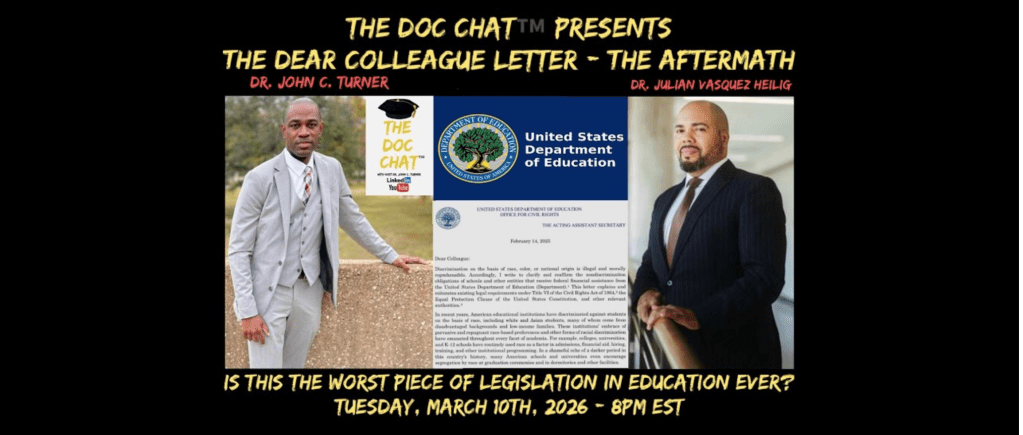
Julian Vasquez Heilig, Ph.D., Professor of Educational Leadership and Policy Studies (School accountability)
Monty Neill, Ed.D., Executive Director, National Center for Fair & Open Testing (Fair Test) (Student assessments)
Cheryl Dultz, Teacher San Juan School District (Teacher evaluations – PAR)
Ken Zarifis, President, Education Austin (Community schools)
For more on community-based student assessment see EdWeek Series Beyond Rhetoric: If Not a Bunch of Tests… Then What Instead?
For more on Travis Heights and community-based charters see How to Create a Community-Based In-District Charter and Photo Essay: This Charter School is Lovely
For all posts on Community-Based (local) Accountability click here. Also read Accountability: Are you ready for a new idea? This was the first post where I publicly introduced the idea of bottom-up Local Accountability multiple-measure (dashboard) plans.
For more on evaluating teacher quality via Peer Assistance and Review check out Can we Evaluate #Teachers Without Using High-Stakes #Testing?
Please Facebook Like, Tweet, etc below and/or reblog to share this discussion with others.
Want to know about Cloaking Inequity’s freshly pressed conversations about educational policy? Click the “Follow blog by email” button on the home page.
Twitter: @ProfessorJVH
Click here for Vitae.




 Cloaking Inequity
Leave a comment