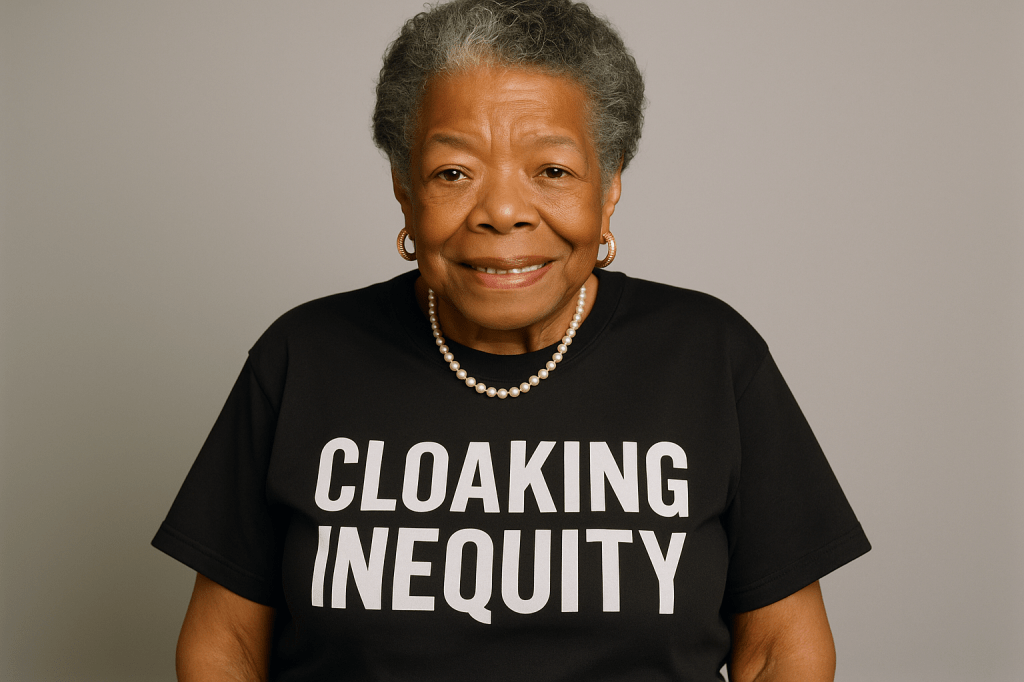
In an era where public education has become a battleground for ideological warfare, Maya Angelou’s wisdom feels more urgent than ever:
“I am convinced that courage is the most important of all the virtues. Because without courage, you cannot practice any other virtue consistently. You can be kind for a while; you can be generous for a while; you can be just for a while, or merciful for a while, even loving for a while. But it is only with courage that you can be persistently and insistently kind and generous and fair.”
For educators, students, parents, and leaders in public education, this quote isn’t just philosophical—it’s a daily call to action. Kindness, justice, and love are often lauded in mission statements and classroom posters, but only those backed by courage persist when budgets are slashed, books are banned, or teachers are silenced.
Angelou knew this intimately. She understood that courage isn’t something you’re born with—it’s something you build. Like strength, it grows with resistance. And resistance, in education today, is not just necessary—it’s inevitable.
The Quiet Acts That Build Courage
Angelou continues:
“One isn’t born with courage. One develops it. And you develop it by doing small, courageous things, in the same way that one wouldn’t set out to pick up 100-pound bag of rice. If that was one’s aim, the person would be advised to pick up a five-pound bag, and then a ten-pound, and then a 20-pound, and so forth, until one builds up enough muscle to actually pick up 100 pounds. And that’s the same way with courage. You develop courage by doing courageous things, small things, but things that cost you some exertion…”
This image—of building up the weight of courage over time—is exactly what educators face in their work. A teacher correcting a colleague’s microaggression. A superintendent refusing to yield to political demands to change history. A principal protecting LGBTQ+ students from discriminatory policies. A student who walks out in graduation protest, even when their peers stay seated.
These are the five-pound weights. The early lifts. And each one makes the next act of courage more possible.
But in public education today, that weight is increasing. The attacks on curriculum, DEI, academic freedom, and even student identity are growing more aggressive. And so, too, must our courage.
Courage in the Classroom
For teachers, courage looks like showing up—again and again—when the system makes it harder each day. It means teaching the truth, even when it’s politically inconvenient. It means recognizing that education is not neutral. Neutrality in the face of injustice is complicity.
A second-grade teacher in Florida risks their job by keeping books on their shelves that include characters with two moms. A high school history teacher in Texas is reprimanded for assigning Ta-Nehisi Coates. A counselor in Tennessee loses their position for supporting trans students’ mental health. These are not hypotheticals—they are headlines.
These professionals didn’t wake up one morning with superhero capes. They likely started with smaller acts—reaching out to a student in distress, standing up at a school board meeting, organizing colleagues behind the scenes. Each act built the muscle they needed for the larger stands they later took.
And still, we ask them to lift more.
Courage in Leadership
Educational leaders—principals, superintendents, deans, provosts, presidents, and chancellors—face a different kind of test. Theirs is often not about what they say, but what they refuse to say or fail to protect. When political leaders attack their institutions, when donors demand silence, or when board members push ideological agendas that limit academic freedom and freedom of speech, it is courage—not strategy—that determines the outcome.
It takes courage for a university president to say, “We will not dismantle our DEI offices.” It takes courage for a superintendent to stand against censorship laws and affirm the dignity of every student in their district. It takes courage to protect faculty when they are targeted for teaching uncomfortable truths.
We have seen too many who lacked that courage. Who folded to pressure. Who sacrificed truth for optics. Who stay silent. Who forgot Angelou’s warning: that without courage, all other virtues are temporary.
But we’ve also seen those who stood firm. The university president who publicly rejected state demands to fire staff based on ideology. The board that reinstated critical ethnic studies. The school leader who welcomed student protest and listened, not punished.
These leaders weren’t born with courage. They built it.
Courage in Students
Students, too, are lifting heavy weight. Across the country, young people are leading walkouts, starting petitions, forming book clubs around banned literature, and refusing to be erased.
When students at public universities camp in protest of genocide or injustice, and are met with riot gear instead of respect, they are told their voices are dangerous. When Black and Brown students speak up about racism in schools and are accused of being “disruptive,” they are punished for their courage with police surveillance.
Yet still they persist.
They are building that courage muscle early—learning to speak out even when the adults in the room are silent. And if we’re wise, we’ll see their courage not as a threat, but as a gift. As a reminder.
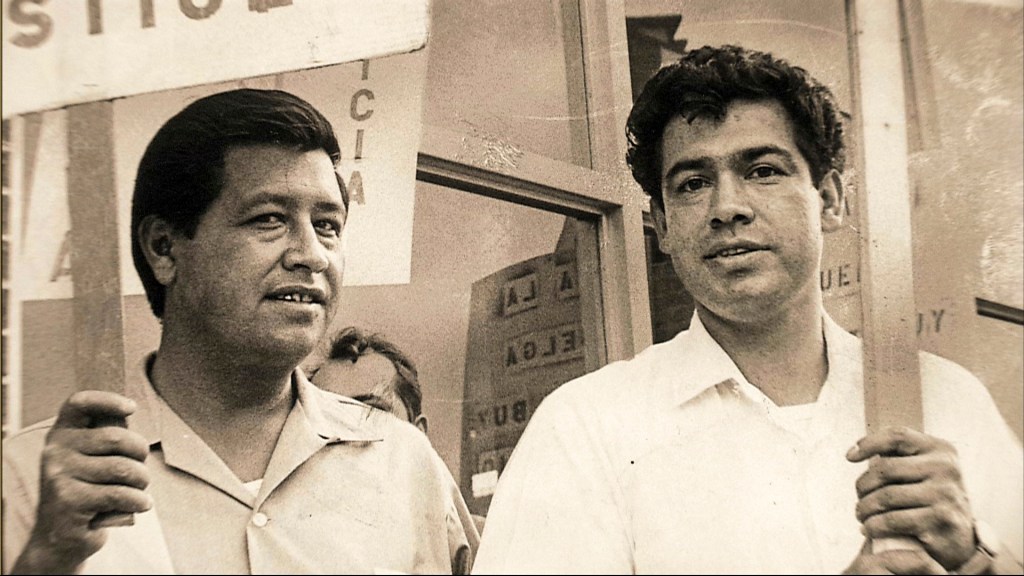
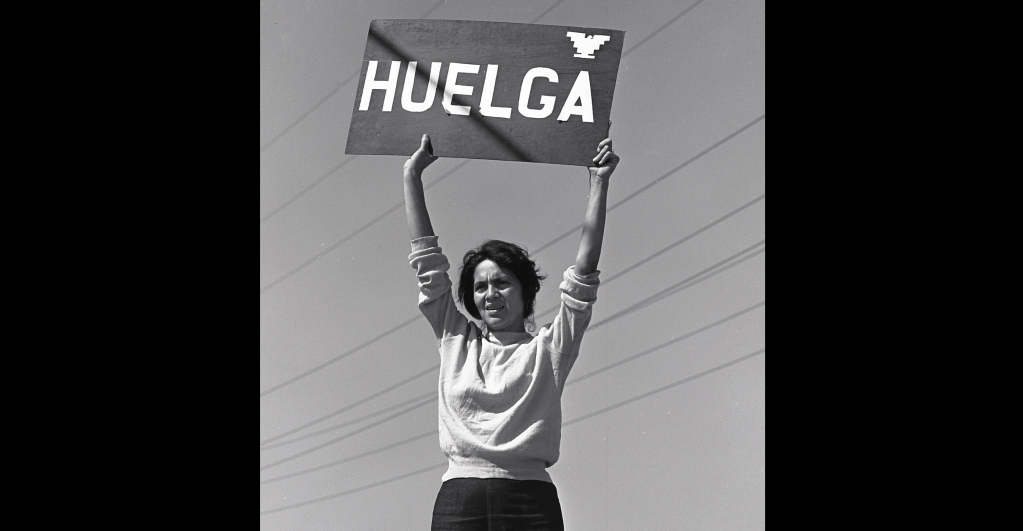
Because every movement for justice in American history—civil rights, women’s rights, labor rights, disability rights—was led by young people who started small, were ignored or punished, but kept lifting.
Courage in Community
Public education is not just a school issue. It is a democracy issue. When a society allows its teachers to be silenced, its students to be criminalized, and its curriculum to be censored, it is not just failing education—it is failing democracy.
That means we all have a role in building this courage.
Parents can stand up at school board meetings and say, “Not in my child’s district.” Faith leaders can speak publicly about the moral responsibility to protect truth and inclusion. Community members can support strikes, rallies, and resistance, even when it’s uncomfortable.
And national organizations—civil rights groups, unions, advocacy networks—must not shrink from the moment. They must organize, fund, defend, and amplify those on the frontlines. Courage is not a solo act. It is a collective force, built across generations and geographies.
The Path Forward
Angelou offers us a blueprint, but also a challenge. If courage is a muscle, are we training it? Are we practicing it in the small moments—so we’re ready for the big ones? Or are we letting it atrophy while injustice gains strength?
This is not the time for passive virtue. Not the time for silent concern. It is the time for persistent, insistent justice.
If you are an educator, let this be your reminder: the work you do is courageous. Each time you show up for truth, inclusion, and equity—you’re lifting that weight.
If you’re a student: your voice matters. You are not alone. Your courage may cost you something, but it will teach the rest of us what freedom looks like.
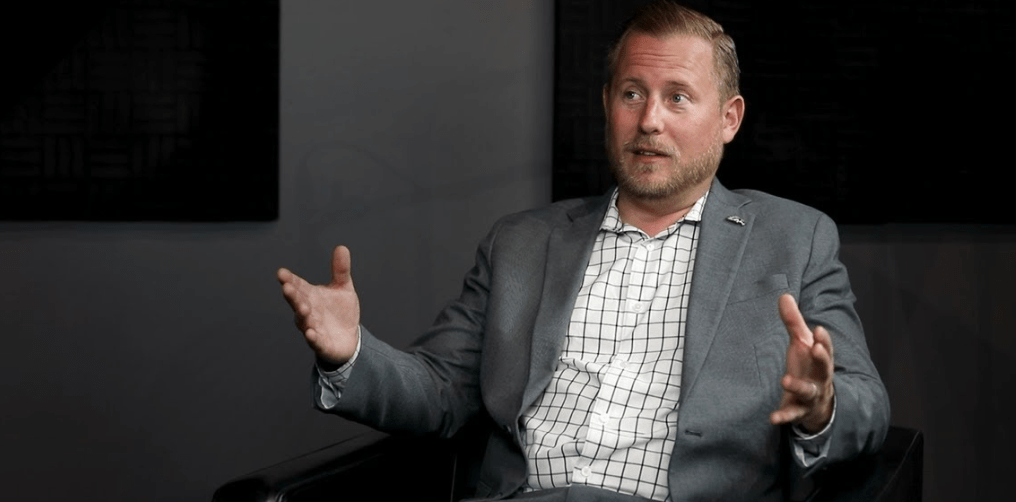
And if you’re a leader: your platform is not for safety—it’s for impact. The stakes are too high for neutrality. I know this intimately from recent experience as an executive leader.
Final Word: Building the Muscle of Democracy
The fight for public education is, at its heart, a fight for the soul of our democracy. And that fight will not be won with slogans or press releases. It will be won with courage and action.
The kind of courage that, as Angelou said, grows from doing small things that cost you something.
Pick up the five-pound weight. Than the ten. Than the twenty. Build the muscle. And then, when the hundred-pound challenge comes—as it inevitably will—you won’t just be ready. You’ll be unstoppable.
Because public education doesn’t just need kindness, or fairness, or love—it needs the courage to protect them.


 Cloaking Inequity
Leave a comment