
Last week, I had the privilege of returning to Stockton, a city that has shaped my leadership journey and continues to shape the national conversation on equity and innovation. In the span of two days, I delivered a keynote to the broader community on Friday evening and then addressed the Stockton Branch of the NAACP on Saturday morning. What I experienced was not just a sequence of speeches, but a profound reminder that democracy’s future lives in our cities—places where innovation, resilience, and justice converge in ways that ripple far beyond city limits.
Friday Evening at the Elkhorn Golf Club
The Friday dinner, held at the Elkhorn Golf Club, was not a typical keynote event. Yes, there were speeches, food, and fellowship—but it was more than that. It was a gathering of family: parents, students, the superintendent, district leaders, teachers, clergy, and community advocates all in the same room, bound by a shared commitment to justice and the belief that every child deserves the opportunity to thrive.
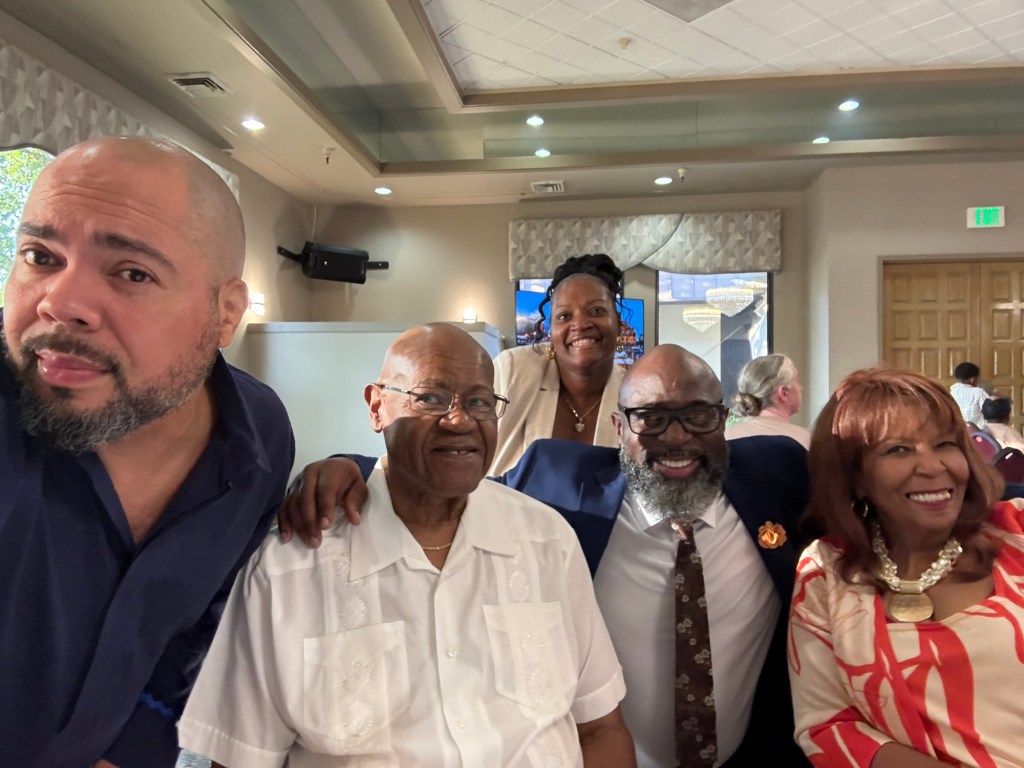
When I walked into the room, I was reminded of Stockton’s uniqueness. This city has never been just another dot on the California map. Stockton is a bellwether, a community whose struggles and triumphs have consistently foreshadowed broader national trends. Whether it was becoming the first major U.S. city to pilot a universal basic income program, launching bold violence-reduction initiatives, or cultivating youth leadership in ways that continue to inspire, Stockton has shown that imagination in the face of adversity can change the narrative not only locally, but nationally.
In my keynote, I shared how Stockton’s innovation in universal basic income sparked national conversations about guaranteed income as a tool to reduce poverty, conversations now even more relevant as artificial intelligence and robotics transform the very definition of work. With billions of machines projected to enter industries in the coming years, the labor market is shifting in ways we cannot yet fully comprehend. Stockton’s experiment anticipated those shifts and helped force a national reckoning about what economic security must look like in the 21st century.
But Stockton’s innovation is not limited to economic policy. Its efforts to reduce violence, support youth leadership, and confront racial inequity reveal a deeper truth: Stockton’s greatness is not the absence of struggle, but the courage to confront struggle with imagination. That is what makes Stockton a mirror of America itself—our struggles and our promise.
Honoring the Bivens’ Leadership
No reflection on Stockton would be complete without recognizing the leadership of Bobby and LaJuana Bivens. Together, they represent Stockton’s heart and its connection to the broader civil rights movement. Bobby serves as President of the Stockton NAACP Branch and as a member of the California State NAACP Executive Committee. LaJuana, also on the California NAACP Executive Committee, extends Stockton’s influence to the national stage as a member of the NAACP’s National Board of Directors.
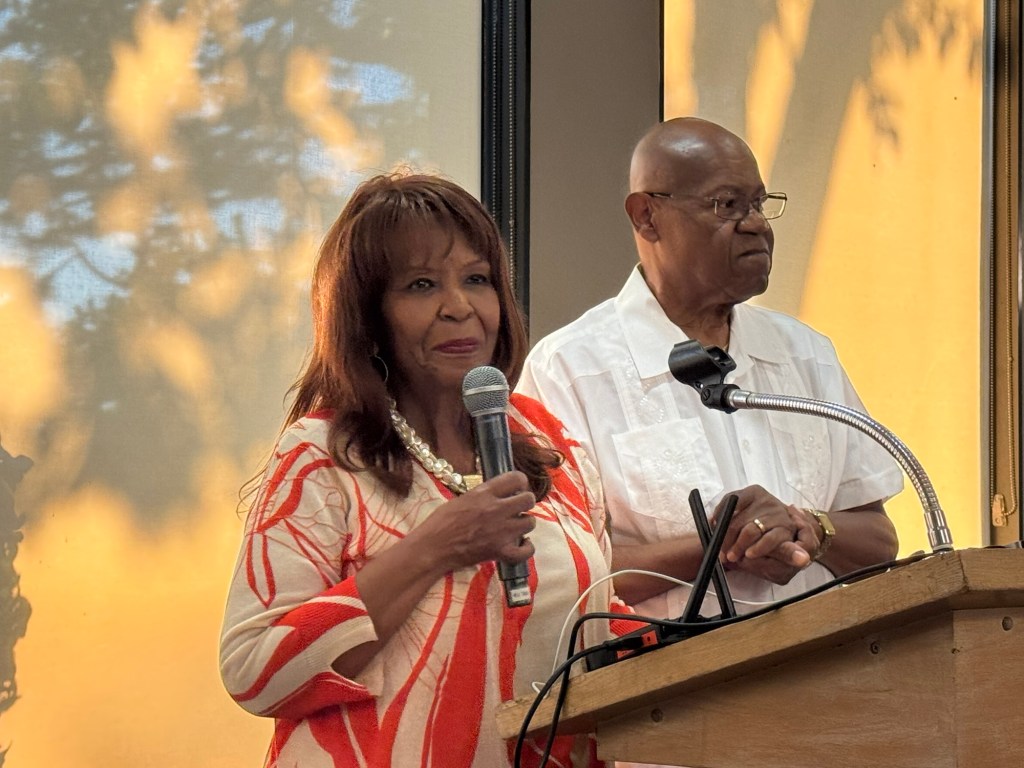
My relationship with them is deeply personal. When I was teaching at California State University in Sacramento, I drove down to Stockton just to share a meal with them. The salsa was good, but the fellowship was better. Those meals taught me that movements are not sustained by policies alone, but by encouragement, mentorship, and relationships that bind generations together.
Their work has trained up youth leaders who continue to inspire the NAACP across California and beyond. The Bivens embody leadership that is both visionary and relational—a model of how personal commitment can fuel institutional transformation.
A Call to Parents
While much of the evening celebrated Stockton’s accomplishments, I also spoke directly to parents, reminding them that they are the frontline of educational equity. Parents know what happens in classrooms and hallways in ways no report or dashboard can capture. They hear the stories of joy and pain that rarely make it into district data summaries.
I outlined five practical actions for parents to take:
- Learn the language of equity. Systems often mask inequity behind jargon. Parents must cut through the fog and demand clarity.
- Show up and speak up. Board meetings, advisory councils, and public hearings are spaces where equity must be defended and affirmed.
- Build coalitions. No parent should feel alone; equity requires collective voices.
- Collect stories and data. Stories move hearts; data moves systems. Together, they drive accountability.
- Keep equity—not convenience—at the center. Quick fixes and privatization schemes often leave behind those most in need. Parents must hold the line.
When parents organize around these actions, they do more than advocate for their own children. They reshape systems and breathe life into the resolutions and policies the NAACP has advanced for decades.
Saturday Morning with the Stockton NAACP
If Friday night was about celebration and inspiration, Saturday morning with the Stockton NAACP was about strategy and accountability. Gathered not in a banquet hall but in a small meeting space, I felt the energy of grassroots leadership—the kind of energy that fuels movements.
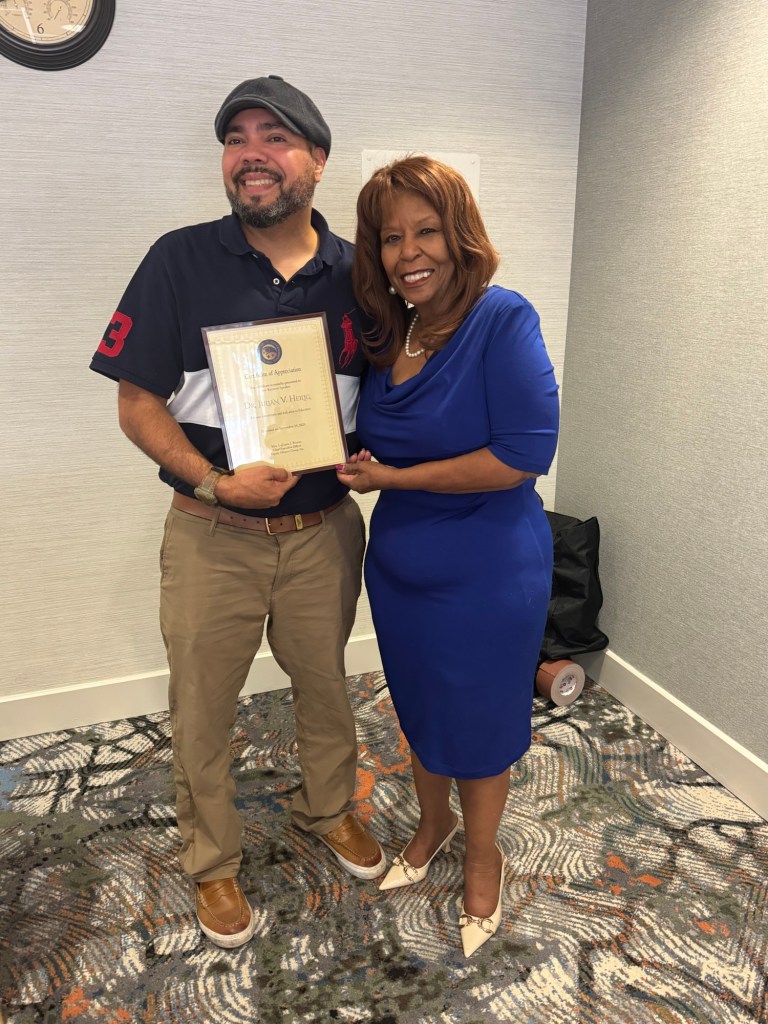
The intimacy of the setting mattered. The dinner had been formal, but this meeting was face-to-face, where questions could be asked without microphones and where ideas were exchanged without scripts. This was not about ceremony—it was about planning the next chapter of the struggle together.
A Moment for New Tools
Saturday’s meeting allowed me to share the Best Practices Equity Audit—a tool I designed to translate 25 years of NAACP resolutions into practical accountability for districts like Stockton Unified. Rather than only asking how students perform on standardized tests, the audit probes deeper:
- Do students have certified, experienced teachers?
- Is the curriculum culturally relevant and historically honest?
- Are discipline policies restorative and free of racial bias?
- Do schools guarantee safe facilities, nutritious meals, and access to mental health supports?
- Do families and students have a real voice in governance and decision-making?
This new equity audit rubric is not just paperwork. It is a mirror. It allows communities to see clearly what is working and where equity is still falling short. Imagine the Stockton NAACP conducting such an audit, armed with data and lived stories, and then presenting the findings to the district. That would be a powerful act of accountability, rooted in the Association’s historic role as the conscience of American education.
Stockton’s Broader Role
What became clear over the weekend is that Stockton’s story is not only Stockton’s story. It is America’s story. Stockton embodies the struggles of poverty, inequity, and exclusion—but also the resilience, imagination, and courage needed to overcome them. In a time when democracy feels fragile at the national level, Stockton shows us that its defense is also local: in schools, in neighborhoods, and in branch meetings like the one I attended.
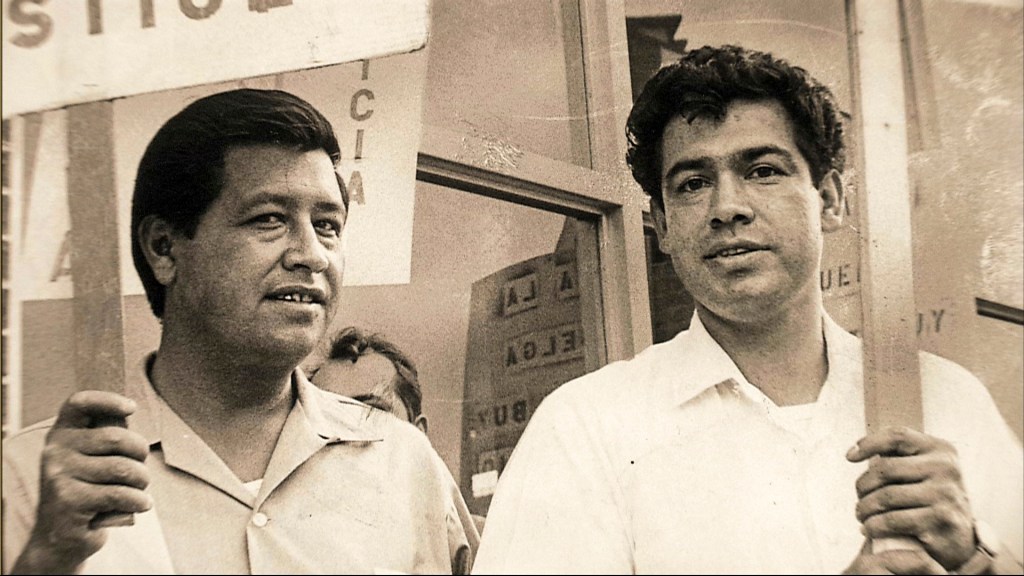
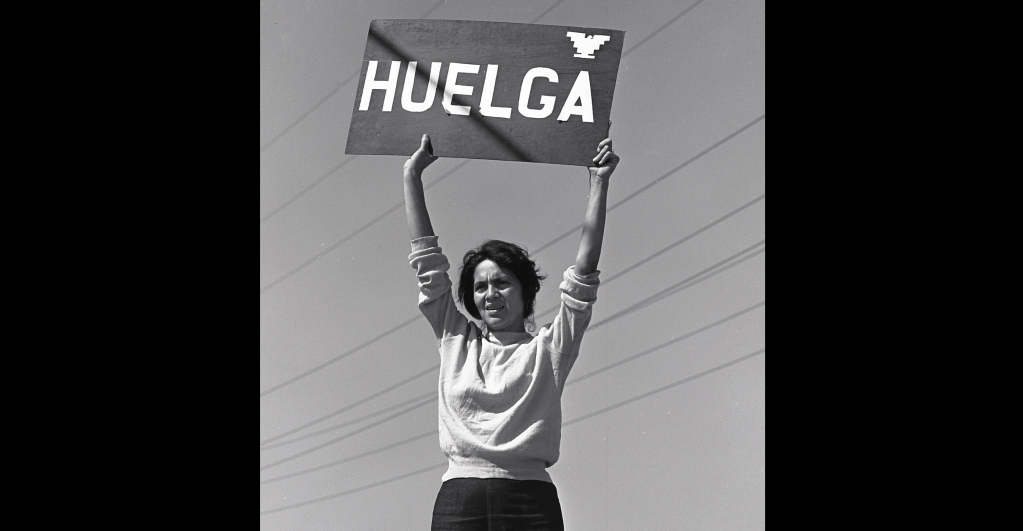
As César Chávez reminded us: “Once social change begins, it cannot be reversed. You cannot uneducate the person who has learned to read. You cannot humiliate the person who feels pride. You cannot oppress the people who are not afraid anymore.”
That quote captures Stockton’s spirit. Youth here know their power. Parents know their voices matter. The NAACP knows its collective strength. And once that knowledge is alive, there is no turning back.
Closing Reflection
As I left Stockton, I felt an overwhelming sense of gratitude. This city, with all its challenges and complexities, continues to be a national model for equity and leadership. Stockton has shown us how universal basic income can redefine economic security. It has pioneered community-based violence reduction strategies. It has cultivated youth leadership in the African American community that is second to none. And now, with tools like the Equity Audit, it is once again preparing to lead the nation in redefining what justice in education looks like.
Stockton reminds us that democracy is not fragile when it is rooted in community. It thrives when people gather, organize, and demand better—for their children, their schools, and their neighborhoods. The nation is still watching Stockton. And once again, Stockton can lead.
Julian Vasquez Heilig is a civil rights advocate, scholar, and internationally recognized keynote speaker. He has served as Education Chair for both the NAACP California State Conference and the NAACP Kentucky State Conference, advancing equity for students and communities. Over the past decade, he has delivered more than 150 talks across eight countries, seeking to inspire audiences from universities to national organizations with research, strategy, and lived experience that move people from comfort to conviction and into action.




 Cloaking Inequity
Leave a comment