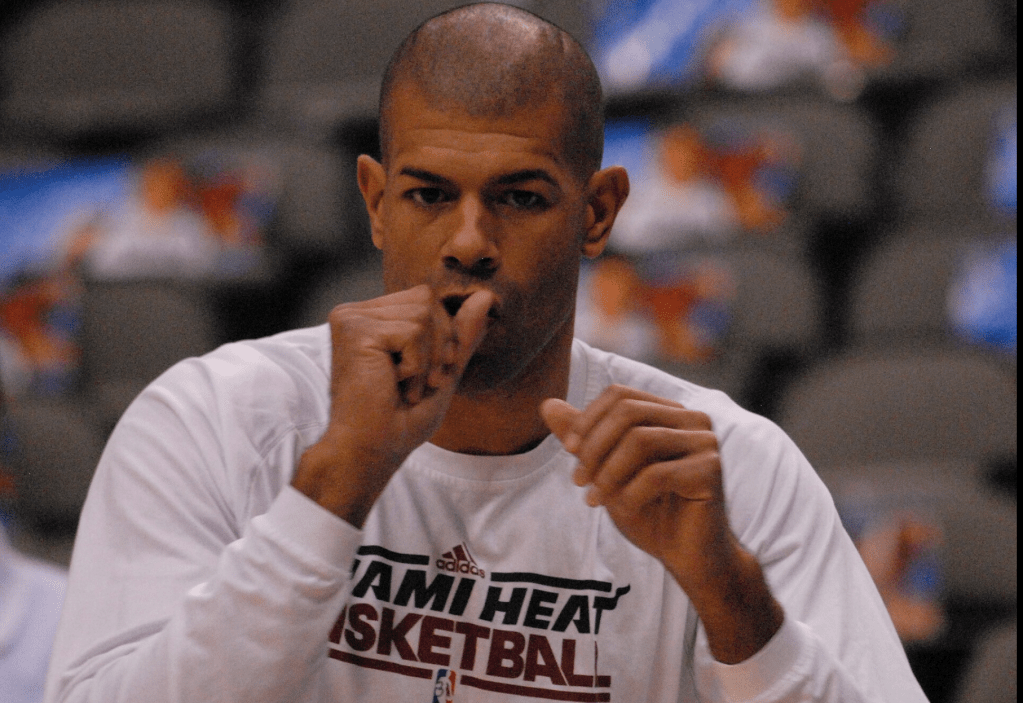
I was watching a TED Talk by Kevin Rutherford recently when his story about LeBron James stopped me in my tracks. Rutherford reminded the audience that LeBron didn’t win championships in Miami until Shane Battier joined the team. Then they went back-to-back. Yes, Miami had other stars like Dwyane Wade. Yes, they had talent and flash. But the quiet, steady presence of a role player helped them become a dynasty.
Shane Battier usually wasn’t the Miami Heat player on the highlight reels. He wasn’t the player fans argued about on sports talk radio. He was the player doing all the small, unglamorous things that add up to championships: drawing charges, rotating on defense, mentoring younger players, offering defensive tips to veterans, and showing up every day with professionalism and consistency. Battier made everyone around him better. That is what great teams and great organizations are built on, people who do the work others don’t bother to do.
In every high-performing team, there are stars who shine brightly like LeBron James and Dwyane Wade. They set the pace, drive attention, and push boundaries. Yet behind them are the quiet stabilizers, the ones who ensure that vision translates into consistent performance. Those individuals are rarely the headline acts, but they are the heartbeat of success. They are the steady pulse behind the glamour, the ones who connect effort, purpose, and humility into something enduring.
The Power of the Glue People
Every successful organization has glue people who make a the hidden difference. They fill the gaps, maintain the culture, and quietly keep everything aligned. They are the ones who make sure the details are right, who reach out to a struggling colleague, who show up early and stay late when something needs to get done. They rarely seek credit, but everyone knows that without them, things would fall apart.
In a world obsessed with optimization, specialization, and personal branding, we often hear that success means narrowing focus to one’s “zone of genius.” The message is to eliminate distractions, delegate the small stuff, and focus on the five things that make you great. But greatness isn’t always about doing less and narrow focus. Sometimes it’s about doing what’s necessary, even when it’s outside your lane. The best contributors are those who see a loose thread and tie it off before anyone else notices it was coming undone.
Glue people thrive in the background. They build bridges instead of walls, and they anticipate problems before they escalate. They are motivated by shared purpose, not personal glory. They create a sense of reliability and belonging that keeps teams cohesive under pressure. In a culture that rewards visibility, they remind us that excellence often depends on the unseen.
Humility as a Strategic Advantage
Rutherford made another point that resonated deeply with me in his TED talk: humble leaders are more effective. Their teams are more innovative, more collaborative, and more resilient. Humility keeps the ego in check, which opens space for listening, reflection, and creativity. When leaders demonstrate humility, they model psychological safety—the sense that it’s okay to take risks, make mistakes, and speak up. That’s the soil in which new ideas grow.
Humility doesn’t mean weakness or passivity. In fact, the most successful people are often what psychologists call humble narcissists, those who pair strong self-belief with grounded self-awareness. They know they are capable, but they also know they are incomplete. They believe in their vision, but they invite others to shape it. They lead from both conviction and curiosity.
The Latin root of the word humility, humus, means “from the earth.” Yes, also a great bean dip. To be humble is to stay grounded, to remember where you came from. It is a reminder that all human achievement begins with the same soil, the same fragility, and the same interdependence. Humility doesn’t diminish confidence; it gives confidence depth. It anchors ambition in purpose rather than ego.
Doing the Work Others Won’t
Shane Battier built an entire career on doing the things others avoided. He wasn’t chasing headlines; he was chasing excellence and success for the team. He studied opponents obsessively, memorized their tendencies, and used that knowledge to help his team prepare. For example, he told LeBron some strategies to guard Kobe Bryant that noone had noticed before. He did not measure success by points scored but by the difference his presence made in the flow of the game. That kind of contribution often goes unnoticed by casual observers but is deeply appreciated by those who understand the craft.
In any field, the people who last and make the most impact find quiet satisfaction in the hard, invisible work that strengthens the whole. They do not limit themselves to their job description. They see the big picture and ask, “What does this team need to thrive?” They invest in the relationships and systems that sustain long-term success. They understand that consistency beats flash, and contribution beats recognition.
Humility in this sense isn’t about shrinking back. It’s about stepping forward when others step aside. It’s about doing more than is required, not for applause but for excellence. True humility is not thinking less of yourself; it’s thinking of yourself less. It’s putting the mission first and trusting that your legacy will follow naturally.
The Relationship Between Humility and Confidence
The best teams I’ve ever been part of— whether in schools, universities, or community movements— shared one thing in common: humble people who didn’t rest on their laurels. They were confident enough to lead but grounded enough to listen. They celebrated success without believing they were the sole reason for it. They understood that leadership is temporary but impact is lasting.
The worst teams were the opposite. They were driven by hubris, not purpose, more interested in credit than contribution. Responsibility was deflected, not shared. A me-first mentality replaced collective accountability, and competition outweighed collaboration. Where humility builds trust, arrogance corrodes it. And once trust disappears, decline or a return to decline is inevitable, what follows is not just failure, but the slow unraveling of success.
Humility and confidence are not opposites; they are partners. Humility keeps you teachable, while confidence keeps you courageous. Together they create resilient leaders, the kind who can adapt, grow, and sustain excellence over time. Confidence without humility turns into arrogance. Humility without confidence becomes self-doubt. The challenge is to cultivate both at once, holding strength and openness in balance.
This balance is rare because it demands constant reflection. It means being secure enough to credit others and introspective enough to own mistakes. It means knowing your worth without needing to prove it constantly. It means understanding that leadership is not about being the loudest voice in the room but about being the most trusted one. When confidence and humility coexist, they create leaders who elevate everyone around them.
Teams Win Championships, Not Individuals
There is a temptation in modern culture to see success as a solo act. We celebrate individual achievement, personal brands, and influencer culture. But real greatness has always been a collective effort. Teams win championships, not individuals. Behind every celebrated leader are dozens, or hundreds or thousands of contributors who made success possible. Shane Battier exemplified that truth. He didn’t need to be the superstar because he understood that championships are built on chemistry, sacrifice, and mutual respect. He brought data, discipline, and humility to a team full of high-powered personalities. He didn’t compete for attention; he competed for excellence. And in doing so, he elevated everyone around him.
Being the Shane Battier on your team means being relentlessly reliable. It means caring about the collective more than the credit. It means doing the research, making the adjustments, picking up the slack when others are tired, and being the calm voice that keeps the team grounded. It means investing in the long game: relationships, systems, and habits that outlast any one season. Humility is often underrated because it doesn’t photograph well. It doesn’t trend on social media. It doesn’t make the news. But it transforms organizations from the inside out. Humble people notice what others ignore. They protect the culture. They make others feel seen and valued. They don’t need to announce their worth because their consistency speaks louder than their words.
If you want to build a culture of excellence, reward humility. Recognize the people who make collaboration easier. Celebrate the ones who do the behind-the-scenes work that allows others to shine. When organizations elevate only those who shout the loudest, they create instability. When they value the quiet contributors, they build trust, longevity, and shared purpose. Be the steady presence who listens before reacting, who acts before being asked, and who builds trust without seeking recognition. The best teams with the best leaders are always filled with unsung architects of greatness. people who don’t rest on their laurels because they understand that success is never final and humility is never out of style.
Julian Vasquez Heilig is a nationally recognized policy scholar, public intellectual, and civil rights advocate. A trusted voice in public policy, he has testified for state legislatures, the U.S. Congress, the United Nations, and the U.S. Commission on Civil Rights, while also advising presidential and gubernatorial campaigns. His work has been cited by major outlets including The New York Times, The Washington Post, and Los Angeles Times, and he has appeared on networks from MSNBC and PBS to NPR and DemocracyNow!. He is a recipient of more than 30 honors, including the 2025 NAACP Keeper of the Flame Award, Vasquez Heilig brings both scholarly rigor and grassroots commitment to the fight for equity and justice.






 Cloaking Inequity
Leave a comment