
Forgiveness is one of humanity’s oldest moral instincts. Philosophers, teachers, and communities across time have recognized it as a release, a way to set down the weight of anger and disappointment. Yet forgiveness is not the same as forgetfulness, and it is not surrender. The deeper question is not should we forgive, but when, why, and what comes next.
As autumn continues in North America, its slower rhythm invites reflection. The season carries a kind of honesty, a gentle reckoning between what has grown and what must now fall away. The trees offer their quiet lesson, releasing what they no longer need while trusting that renewal will come again. In that sense, forgiveness is not just about what others have done, but about how we learn to let go without losing what matters.
Each year, autumn reminds us that transformation is both loss and gain. It is not always easy to shed what we carry. Yet when we do, the air feels lighter, the light clearer, and our sense of direction a little stronger. Forgiveness is its own kind of seasonal work, a clearing that makes room for growth.
When a Wound Can Heal
When someone wrongs us once, perhaps through a misunderstanding or a moment of poor judgment, forgiveness can be an act of renewal. People change, relationships evolve, and communities survive through grace and patience more than through perfection. A single mistake can often be mended through honest conversation, accountability, and care. The choice to forgive can restore balance and make connection possible again.
We see this in daily life. A friend forgets an important promise but apologizes with sincerity. A co-worker speaks harshly under pressure but reaches out to repair the harm. A family member loses their temper and later expresses regret. In each case, forgiveness allows a pause between harm and healing. It gives the future another chance to take root where anger might have scorched the ground.
Holding on to resentment can feel like protection, yet it often keeps us trapped in the same pain. Forgiveness, in its healthiest form, is not about excusing behavior but about freeing ourselves from the cycle of reaction. It acknowledges that people can learn, that conversations can lead to change, and that sometimes compassion is the most pragmatic way forward.
When the Same Wound Returns
Repeated harm tells a different story. When promises are broken again and again, forgiveness alone cannot rebuild trust. There comes a point when words of regret no longer carry meaning, and apology becomes repetition rather than repair. At that point, forgiveness without accountability begins to lose its moral power.
Patterns of betrayal can appear in many forms. A friend who repeatedly takes advantage of trust eventually shows a habit, not an accident. A co-worker who claims to value fairness but continually acts in self-interest reveals character rather than error. An organization that promises reform yet continues the same practices has chosen comfort over courage. In these situations, forgiveness without consequence can become a quiet invitation for harm to continue.
Accountability and forgiveness are not enemies. They are partners in the work of integrity. To forgive someone does not mean to stay in the same position or to accept the same treatment. It may instead mean recognizing that growth has not occurred and choosing to step away. The purpose is not punishment but clarity, an honest acknowledgment of reality that allows healing to begin elsewhere.
The Grace of Boundaries
There are moments when love and respect must take the form of limits. Boundaries protect what is good while preventing further harm. They do not erase forgiveness but give it structure. Saying no, or stepping back, can be a gesture of self-respect and a signal that sincerity must accompany words.
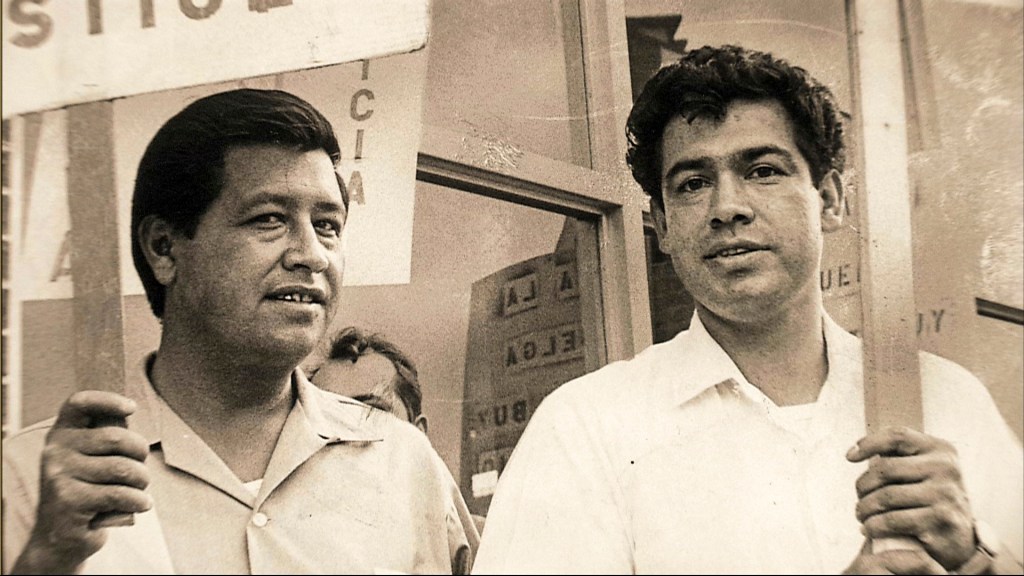
In public life, boundaries have long been tools for progress. When people refuse to participate in systems that harm them, they are not motivated by resentment but by responsibility. Boycotts, strikes, and acts of refusal have changed history not because they were angry but because they were clear. They said, “We will not keep investing our energy in what does not change.” These boundaries are collective forms of wisdom that seek renewal rather than revenge.
In personal life, boundaries can be equally transformative. Deciding not to return to a harmful relationship, or refusing to support a person or system that repeatedly disappoints, can restore balance and dignity. Forgiveness is not always about staying connected. Sometimes it is about letting go with understanding, knowing that peace may come through distance rather than closeness.
Apologies Without Change
We now live in a culture where apologies are easy but transformation is rare. Public figures, institutions, and companies issue apologies that sound polished but carry little sincerity. The words appear sincere, yet the actions that follow often prove that the lessons were not learned. Over time, these empty gestures create fatigue and skepticism.
Real forgiveness depends on honesty. Without truth, apology becomes performance. An apology that costs nothing and changes nothing has limited power to heal. Whether it comes from a friend, an employer, or a public institution, the only apology that matters is the one that leads to better behavior and treatment.
Forgiveness should never erase accountability. It should encourage reflection and growth. When someone continues the same behavior after being forgiven, the responsibility no longer belongs to the one who forgave. At that point, walking away becomes an act of integrity.
Three Questions for Reflection
Forgiveness and accountability serve the same purpose when rightly balanced. Both seek restoration and wholeness. Before offering forgiveness, it helps to pause and ask three questions that clarify intention and direction:
First, is this a pattern or a mistake? A single mistake deserves understanding. A repeating harm requires boundaries. Knowing which you face allows forgiveness to be thoughtful rather than reflexive. It prevents good intentions from becoming an open door to further challenges.
Second, who benefits from my forgiveness? If forgiveness encourages repair and reflection, it serves everyone involved. If it allows harm to continue unchecked, it becomes indulgence disguised as compassion. Forgiveness should lift others toward responsibility, not release them from it.
Third, what does healing look like for the community, not just for me? Forgiveness restores peace not only within us, but around us. It creates space for understanding, rebuilds connection, and allows others to grow alongside us. When practiced with honesty and care, forgiveness strengthens our shared humanity.
Autumn’s Lessons
Autumn teaches the quiet wisdom of letting go. Each falling leaf is a reminder that endings are not failures but part of nature’s rhythm. The trees do not cling to what no longer nourishes them. They prepare for rest and renewal. Our moral lives follow a similar pattern. We must learn when to release anger that has outlived its purpose and when to hold firm against behaviors that erode trust.
Letting go does not mean ignoring what happened. It means refusing to carry what cannot change while remaining open to what can. The process of forgiveness, like the turning of the season, requires patience and clarity. It asks us to see things as they are and to act not from bitterness but from balance.
Communities, too, move through seasons of reflection and renewal. When groups or nations avoid their mistakes instead of confronting them, they find themselves reliving the same problems in new forms. Healing begins only when truth is faced and responsibility accepted. Forgiveness built on denial is fragile. Forgiveness built on truth has lasting strength.
Peace in the Season of Change
Forgiveness says, I will not let this pain define my soul. Boundaries say, I will not let this harm define our future. Both are acts of courage, and both require discernment. The wisdom lies in knowing which one the moment requires.
As the leaves change color and the year winds down, the season offers a quiet invitation. It asks us to notice what still weighs on the heart, what can be released, and what must be addressed before it can rest. It reminds us that peace is not forgetting, but learning how to live forward with clarity and compassion.
To forgive is to believe that growth remains possible. To hold accountable is to believe that truth matters. Both are ways of honoring the human capacity to change. And perhaps that is autumn’s deepest lesson: that letting go and standing firm are not opposites but partners in renewal—like falling leaves that surrender their color only to nourish the roots beneath, each necessary for the season that follows.
Please share.
Julian Vasquez Heilig is a nationally recognized policy scholar, public intellectual, and civil rights advocate. A trusted voice in public policy, he has testified for state legislatures, the U.S. Congress, the United Nations, and the U.S. Commission on Civil Rights, while also advising presidential and gubernatorial campaigns. His work has been cited by major outlets including The New York Times, The Washington Post, and Los Angeles Times, and he has appeared on networks from MSNBC and PBS to NPR and DemocracyNow!. He is a recipient of more than 30 honors, including the 2025 NAACP Keeper of the Flame Award, Vasquez Heilig brings both scholarly rigor and grassroots commitment to the fight for equity and justice.



 Cloaking Inequity
Leave a comment