
It is Saturday night, which means it is time for a movie story worth visiting. In 1979, when I was four years old, Monty Python released Life of Brian, a sharp, absurd, and wildly clever satire about the political and cultural tensions of ancient Judea. The film was not created to provoke outrage. It was designed to poke fun at the ways people cling to certainty, authority, and spectacle. Yet the reaction was immediate and explosive. Church groups organized marches. Newspapers warned that civilization itself might unravel. Local councils rushed into emergency meetings to decide if the film should be allowed anywhere near their communities. Within a matter of weeks eleven councils across the United Kingdom banned it outright. Ireland and Norway quickly joined them. Cinemas pulled the movie from their screens. Public officials insisted that they were shielding their citizens from danger, even though the danger they described came more from fear than from the film itself.
The controversy grew so quickly that the content of the movie became secondary. What people were talking about was not the film itself but the decision to forbid it. The ban created the intrigue. Curiosity spread. The film entered the cultural bloodstream not because of the jokes but because authorities declared those jokes unacceptable. In that moment censorship became the story.
Sweden Chose a Different Lesson
While some countries tried to shut the movie down, Sweden recognized something important about public reaction. Swedish marketers launched the film with a single line that instantly reframed the debate: “So funny it was banned in Norway.” It was clever and direct. It also revealed a fundamental truth about censorship. Attempts to hide a work often increase the demand for it. Attempts to silence a message often amplify the desire to understand it. Sweden did not need to lecture anyone about freedom of expression. They simply pointed to the ban and let the public make its own judgment. Instead of fear, they chose confidence. Instead of restriction, they chose engagement. Their response became one of the most memorable moments in the history of artistic censorship.
The same playbook is unfolding across the United States in classrooms and school libraries. Books are being pulled from shelves. Lessons about race, gender, democracy, or identity are being restricted or rewritten. Parents and community members are told that certain ideas are too dangerous or uncomfortable for students. Lawmakers insist that shielding children from complexity is the same as protecting them.
The pattern is familiar, and I saw it unfold in real time when my daughter recently had a college interview. The alumni interviewer asked what books she was reading and why, and she told him she had picked up a banned book by Ibram X. Kendi simply because people did not want her to read it. My heart fluttered and my feelings soared hearing that. She followed her curiosity straight into the place others tried to restrict, and her instinct revealed something important about this moment. The reaction around these books often becomes louder than the material itself. The ban becomes more influential than the book. Young people who may never have noticed a title suddenly want to understand what adults fear. Teachers who spend their days nurturing critical thinking are warned that truth-telling carries political risk. Communities that need genuine conversation end up talking past one another because the pressure to ban overshadows the possibility of learning.
The lesson from Monty Python is not that controversy is new. The lesson is that censorship rarely succeeds on its own terms. It tends to reveal the anxiety and ignorance of the censor more than the danger of the content. It also shows how fragile trust becomes when a public institution chooses fear instead of education.
What Schools Can Learn From a Satire
Classrooms thrive when students are trusted to grapple with ideas that challenge them. Libraries thrive when they reflect the full range of voices in a community. Curriculum thrives when it asks students to confront complexity instead of hiding from it. Young people are not strengthened by silence. They are strengthened by the opportunity to think, question, debate, and understand.
The story of Life of Brian teaches that bans do not resolve conflict. They expose the very tensions they attempt to erase. They show how quickly moral panic can rewrite policy. They remind us that restricting access to knowledge does not produce clarity. It produces confusion and curiosity that moves underground instead of being discussed openly. The real work of education is not protecting students from the world. It is preparing them to live in it with honesty, courage, and civic awareness. It is helping them recognize that truth does not need a shield. It needs a classroom.
Choosing Dialogue Over Fear
The choice today is the same choice communities faced in 1979. Some will reach for restrictions. Others will reach for conversation. Some will decide that banning is the safest path. Others will understand that knowledge grows through engagement, not avoidance. The Swedish line worked because it spoke a simple truth. When a society bans ideas, it tells the next generation that those ideas matter. When a society trusts students to think, it signals confidence in its own values and in the young people who will carry them forward.
Book bans and curriculum restrictions are attempts to manage fear by shrinking the world students are allowed to see. Education asks us to do the opposite. It asks us to expand understanding. It asks us to lean into complexity. It asks us to prepare young people for a future that will require more curiosity and more courage, not less.
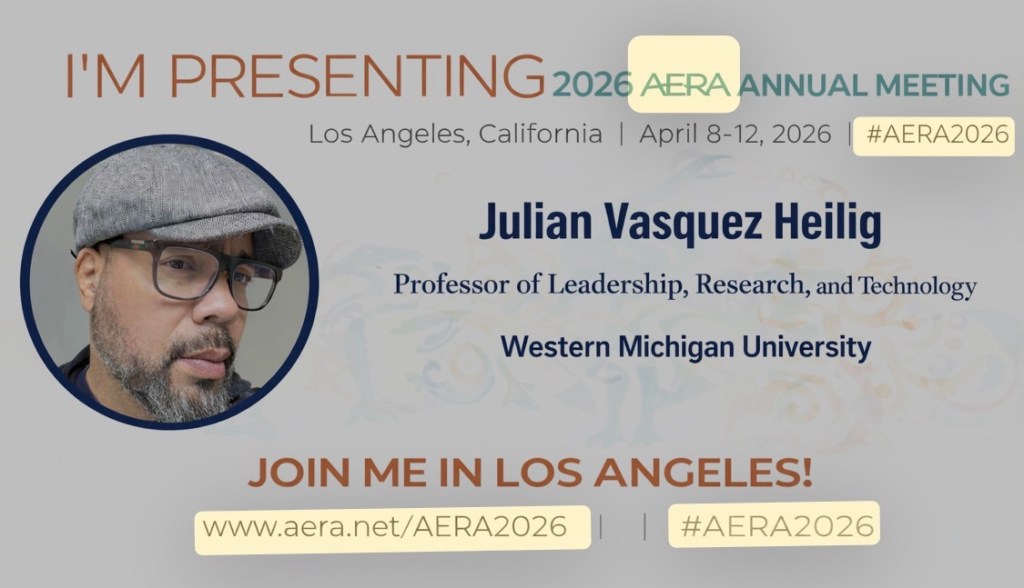
Julian Vasquez Heilig is a nationally recognized policy scholar, public intellectual, and civil rights advocate. A trusted voice in public policy, he has testified for state legislatures, the U.S. Congress, the United Nations, and the U.S. Commission on Civil Rights, while also advising presidential and gubernatorial campaigns. His work has been cited by major outlets including The New York Times, The Washington Post, and Los Angeles Times, and he has appeared on networks from MSNBC and PBS to NPR and DemocracyNow!. He is a recipient of more than 30 honors, including the 2025 NAACP Keeper of the Flame Award, Vasquez Heilig brings both scholarly rigor and grassroots commitment to the fight for equity and justice.




 Cloaking Inequity
Leave a reply to dianeravitch Cancel reply