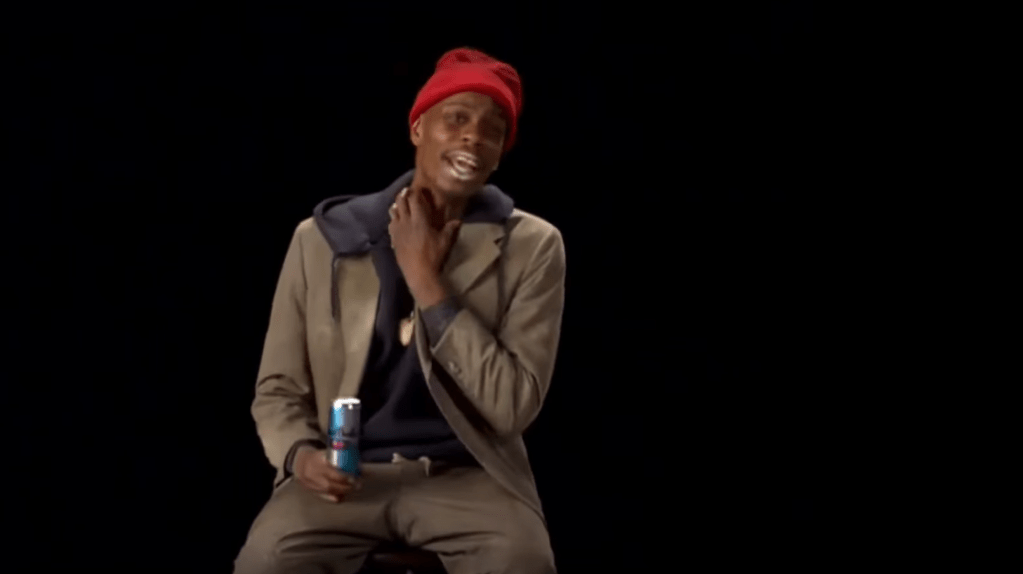
The story of the Dave Chappelle Show is often told as a triumph of individual will over corporate power. In its most popular form, the narrative emphasizes dramatic moments and compresses long struggles into short victories. That version is emotionally satisfying, but it obscures the deeper lessons about how institutions actually operate. The more instructive story is slower and less cinematic, but it reveals how contracts, leverage, and legitimacy shape outcomes over time. Understanding that reality matters more than celebrating a single moment of resolution.
What makes Chappelle’s experience worth sustained attention is not celebrity or scale. It is the way it exposes the gap between legality and fairness, and the way silence becomes a form of governance. The story shows how early career creators are positioned within systems that reward enthusiasm and punish caution. It also shows how reputational pressure can eventually alter institutional behavior when other forms of leverage is exhausted. These dynamics extend far beyond entertainment and into every sector where power is formalized through contracts.
Contracts, Ownership, and the Structure of Power
Chappelle signed his original contract with Comedy Central early in his career, at a moment when he had limited leverage and little ability to anticipate long term value. The agreement was legal and common for the period, and it reflected a standard allocation of risk and control. He received salary and compensation for his work, and the contract met its formal obligations. What it did not provide was meaningful participation in the downstream value of a show that became culturally and commercially significant. That distinction is central to understanding the dispute.
Ownership determines power long after production ends. The contract assigned ownership and licensing control to the network, which meant that decisions about reruns, home video, and later streaming belonged to the corporation. None of this violated the agreement. The outcome was unequal not because the law was broken, but because the law permitted a distribution of value that favored institutional continuity over creator equity. This structure is not exceptional, and that is precisely why it deserves attention.
Walking Away and the Price of Dissent
When Chappelle walked away from the show, the public response focused on the money he declined rather than the conditions he rejected. Public commentary at the time framed the decision as instability or ingratitude, and speculation about his personal life overshadowed any examination of power dynamics. The prevailing narrative treated deviation from contractual expectation as evidence of personal failure. This response served institutional interests by reinforcing the idea that contracts should end conversations rather than begin them.
Walking away did not produce immediate vindication. It produced years of ridicule, uncertainty, and misinterpretation. Chappelle rebuilt his career slowly through stand up and live performance, accepting risk rather than returning to a situation he found untenable. That period matters because it shows how dissent is often punished long before it is reconsidered. Silence is rewarded, while refusal carries lasting cost. But if you keep doing the work, the opportunity window may open again.
Value Without Voice in the Afterlife of Content
After Chappelle left, the show continued to generate value through reruns, DVDs, and later through licensing to streaming platforms. The network benefited from the durability of the content and the appetite of audiences. Chappelle did not meaningfully share in that value because ownership had already been assigned through contract. This situation illustrates how creative labor can be decoupled from long term reward when early agreements define control.
Public retellings often exaggerate the numbers involved or claim that Chappelle received nothing at all. Those claims are inaccurate and unnecessary. The issue is not whether payment occurred, but whether payment tracked value over time. Framing the dispute accurately strengthens the critique rather than weakening it. Precision matters when discussing power, especially when the goal is learning rather than outrage.
Understanding What You Are Signing
This is also a story about understanding what you are signing when opportunity is placed in front of you. Contracts are rarely neutral documents. They are written to protect the interests of the institution or party that presents them, not the person being invited in. The version you are handed is the version someone wants you to accept, often counting on excitement, gratitude, or urgency to quiet scrutiny. Reading carefully is necessary, but it is not sufficient without understanding leverage.
Negotiation depends on bargaining power, and that power exists more often than people realize. Institutions frequently move when asked early and calmly, before roles are accepted and expectations are set. Once you are inside, leverage diminishes rapidly. This is why legal counsel matters, not because lawyers eliminate risk, but because they create distance between emotion and obligation. Excitement for a new opportunity is understandable, but it is rarely a reliable guide.
A Personal Lesson in Institutional Contracts
This lesson is not abstract for me. When I signed my contract to serve as provost at Western Michigan University, I did not negotiate as well as I could have. I was excited about the opportunity and focused on the work rather than the terms. I did not insist on legal counsel to negotiate provisions. That was a mistake, and it is one I name openly for public interest because it mirrors the dynamic at the heart of this story.
Institutions rely on enthusiasm to smooth the path of agreement. They expect individuals to be grateful for opportunity rather than attentive to structure. Looking back, I should have approached the contract as a governance document rather than a symbol of trust. That does not mean the provost role was not meaningful, but it does mean the protections were insufficient in how I approached the contract. This is how power operates quietly, not through malice, but through assumption.
The Return of the Work and the Limits of Law
Years later, Chappelle learned that his show was being streamed on major platforms without his consent or participation. The licensing was legal and consistent with the contract he had signed. What had changed was not the law, but the context. Chappelle now had renewed leverage through reputation, audience trust, and active relationships with platforms that valued him as a creator. The law had not shifted, but the balance of legitimacy had.
Chappelle did not pursue litigation because there was no apparent legal basis for it. Instead, he appealed to conscience and credibility. He asked Netflix to remove the show, and it did. That decision was voluntary and strategic, reflecting a calculation about long term trust arrange between him and Netflix rather than immediate profit. This moment is often misrepresented as instantaneous or inevitable, but it was neither.
Moral Leverage and Institutional Response
When Chappelle later asked his audience not to watch the show publicly, he framed the request carefully. He did not call for punishment of a network or demand public outrage. He asked people to withhold their attention from his own past work until the situation was addressed. This was a request grounded in moral authorship rather than legal entitlement. It was also a gamble that could easily have failed.
Institutions respond when legitimacy is at stake. The subsequent renegotiation with ViacomCBS did not occur because the show suddenly lost all value. It occurred because continuing to profit from the work without addressing the creator’s concerns became reputationally costly. The company acknowledged Chappelle’s position, compensated him, and publicly recognized his authorship. This outcome underscores how institutions weigh contracts against credibility when pressure shifts.
What the Story Actually Teaches
Chappelle’s experience teaches that legality and fairness are distinct. It teaches that early agreements can shape decades of outcomes. It teaches that institutions protect advantage until legitimacy is threatened. It teaches that dissent is costly before it is celebrated. These lessons are sobering, but they are also clarifying.
The story also cautions against romanticizing resistance. Individual resolve matters, but it is not sufficient on its own. Outcomes are shaped by structures that reward patience and punish challenge. Recognizing that reality shifts attention from hero narratives to system design. That shift is necessary for meaningful reform.
Telling the truth about power is rarely efficient. It requires documentation, restraint, and persistence. It often invites misinterpretation and delay. Chappelle endured years of public misunderstanding before his claims were taken seriously. Similar to the ridicule that Prince faced from some quarters for the contract dispute over his name. The eventual resolution of both cases does not erase the cost of that period for the artists.
Conclusion
Finally, it is important to end by naming something plainly rather than dramatically. I have never agreed with Dave Chappelle’s past attacks on trans people, and I do believe they are attacks. They are not incidental, and they are not neutral expressions of free speech divorced from consequence. I understand they are free speech, but they cause harm, they reinforce marginalization, and they deserve to be criticized directly rather than minimized or rationalized. It is possible to acknowledge Chappelle’s insights about power, contracts, and institutional exploitation while also holding firm on this point. Ending here is not about balance or absolution, but about intellectual honesty, which requires recognizing that moral clarity in one domain does not erase harm in another, including his unnecessary attacks on trans people.
Julian Vasquez Heilig is a civil rights advocate, scholar, and internationally recognized keynote speaker. He has served as Education Chair for both the NAACP California State Conference and the NAACP Kentucky State Conference, advancing equity for students and communities. Over the past decade, he has delivered more than 150 talks across eight countries, seeking to inspire audiences from universities to national organizations with research, strategy, and lived experience that move people from comfort to conviction and into action.




 Cloaking Inequity
Leave a comment