
One of my earliest sports heroes was Barry Sanders, not only because of what he did on the football field, but because of how he carried himself after doing it. Barry Sanders scored touchdowns that defied physics, logic, and defensive schemes. He made elite NFL defenders look like they were running in the wrong direction. Yet when he crossed the goal line, he did something radical. He handed the ball to the referee and jogged back to the sideline. In that moment, restraint became part of the performance. Silence became a statement as powerful as the run itself. It was a kind of discipline that felt almost old-fashioned even then. It also made the touchdown feel bigger, not smaller.
That restraint did not come from arrogance or indifference. It came from values. Barry Sanders has often shared that his father taught him not to celebrate in the end zone because he should act like he had been there before. Scoring was the job, not the moment. The celebration was internal, quiet, and grounded. Compared to a sports world increasingly built on spectacle, Sanders modeled discipline, humility, and an understanding that excellence should speak for itself. He understood that repetition, not reaction, defined mastery. That lesson traveled far beyond football. It was a philosophy of work, not a rule about manners. It reminded you that greatness is measured by habits, not highlights.

That lesson landed deeply with me, especially growing up in Michigan where grit, work, and humility have always mattered. Barry Sanders did not need to announce his greatness because everyone could see it. His restraint amplified his legend rather than diminishing it. He taught a generation that how you behave after success matters as much as the success itself. That message remains timeless. It still resonates in moments when recognition arrives quickly and unexpectedly. It also creates a standard that is hard to meet when attention becomes addictive. The older I get, the more I realize how rare that kind of restraint is.
New and Joy of Collective Celebration
At the same time, sports evolve, cultures shift, and generations express themselves differently. The current Detroit Lions have brought a new energy to the city that feels both joyful and communal. Their touchdown celebrations are not about individual ego. They are about shared momentum, collective joy, and releasing years of frustration in a city that has waited a long time for something to believe in. The celebrations feel earned rather than manufactured. They carry the weight of history even when they look playful. You can feel how much it means to players and fans at the same time. It looks like a team that actually liked being together.
Of course, sports rarely give us clean narratives or perfect endings. Despite the energy, the joy, and the moments that felt transformational, the Lions did not make the NFL playoffs this year. That disappointment still stings. It reminds us how fragile success can be and how quickly momentum can stall. Detroit fans know this feeling well. It is a familiarity built over decades rather than seasons. The hope is real, but so is the pain when it does not cash out. That tension is part of what makes Detroit fandom intense.
That context matters when we think about celebration. Joy does not guarantee outcomes. Confidence does not ensure championships. The line between rising and arriving is thin, and history is full of teams and humans that celebrated potential before securing results. That reality does not mean celebration is wrong. It means celebration must be balanced with perspective. It also means success must be measured over time, not moments. When you celebrate every flash, you can forget the grind that is still required. Perspective keeps celebration honest.
Disappointment can be a teacher if we let it be. It can reinforce humility, focus, and hunger. The Lions may not have reached the postseason this year, but they showed something equally important. They showed identity, connection, and belief. The next step is turning that belief into sustained performance. That is where discipline returns to the center of the story. It is also where leadership shows up in the daily choices no one sees. The best teams convert pain into preparation.
Acting Like You Have Been There Before
When we talk about acting like you have been there before, we are not talking about suppressing joy or denying pride. We are talking about grounding success in responsibility. Barry Sanders understood this instinctively. Celebration was not forbidden. It was simply private for him. The work always came first. That order mattered more than the rule itself. It framed success as a checkpoint, not a destination. It protected him from the emotional roller coaster that swallows a lot of talented people.
That lesson is especially important when people are young. Early success can distort priorities if it is not anchored in values. When young people succeed, whether in sports, academics, or leadership, they are being watched closely. People want to see whether success makes them more generous or more self-centered. Acting like you have been there before signals maturity, discipline, and awareness. It also signals readiness for what comes next. It communicates that you understand the difference between applause and achievement. It suggests you can handle more responsibility without losing yourself.
But this lesson is not limited to youth. It applies at every stage of life. Success tests character more than failure ever does. How people behave when things go well reveals what truly drives them. Staying humble and motivated is not about image. It is about sustaining purpose. It is about resisting complacency when praise becomes loud. Humility is how you keep learning after you have already won. Motivation is how you keep building when the world starts telling you that you are finished.
Humility, Hunger, and Community Responsibility
People are watching not just to see if you win, but to see who you become when you win. Do you remember where you came from. Do you invest in the communities that supported you. Do you stay curious, disciplined, and accountable. These questions apply to athletes, leaders, institutions, and all of us navigating moments of recognition. Visibility amplifies both virtue and neglect. When people see you succeed, they also look for signs of gratitude. They look for evidence that success made you better, not just bigger.
Celebration has its place. Joy matters. Expression matters. But celebration should never replace substance. Acting like you have been there before does not mean acting small. It means acting grounded. It means understanding that success is not a finish line, but a responsibility to keep showing up with integrity. That responsibility only grows as influence expands. Integrity is what makes celebration sustainable rather than hollow. If you want people to follow you, you have to stay both humble and dependable.
Closing Reflection
Barry taught me that greatness does not need noise to be real. His silence after scoring was not emptiness or indifference. It was confidence rooted in preparation and discipline. By handing the ball to the referee and returning to the sideline, he signaled that excellence was expected, not exceptional. Quiet greatness, when practiced consistently, becomes a form of leadership that endures because it is grounded in purpose rather than performance.
That lesson extends far beyond sports. Everyday leaders are tested most when success arrives quietly or publicly. Promotions, awards, milestones, and recognition can tempt people to confuse momentary applause with lasting impact. Quiet greatness asks something harder. It asks leaders to absorb success without becoming consumed by it, and to return to the work with the same seriousness that produced the achievement in the first place.
People are always watching how leaders behave after they succeed. They notice whether humility remains intact, whether curiosity continues, and whether responsibility deepens rather than disappears. Quiet greatness builds trust because it is steady and reliable. It shows that success has strengthened character rather than exposed its absence. Acting like you have been there before is not about shrinking yourself or denying joy. It is about honoring success by carrying it well. Barry Sanders modeled a version of leadership that did not need explanation or validation. In a world saturated with noise, quiet greatness remains one of the most powerful signals of true leadership.
Julian Vasquez Heilig is a nationally recognized policy scholar, public intellectual, and civil rights advocate. He has testified before state legislatures, the U.S. Congress, the United Nations, and the U.S. Commission on Civil Rights, and his scholarship and commentary have appeared in major outlets including The New York Times, The Washington Post, and the Los Angeles Times. He is the recipient of more than 30 honors, including the 2025 NAACP Keeper of the Flame Award, and Bloggs regularly on leadership, education, democracy, and culture at Cloaking Inequity and LinkedIn.
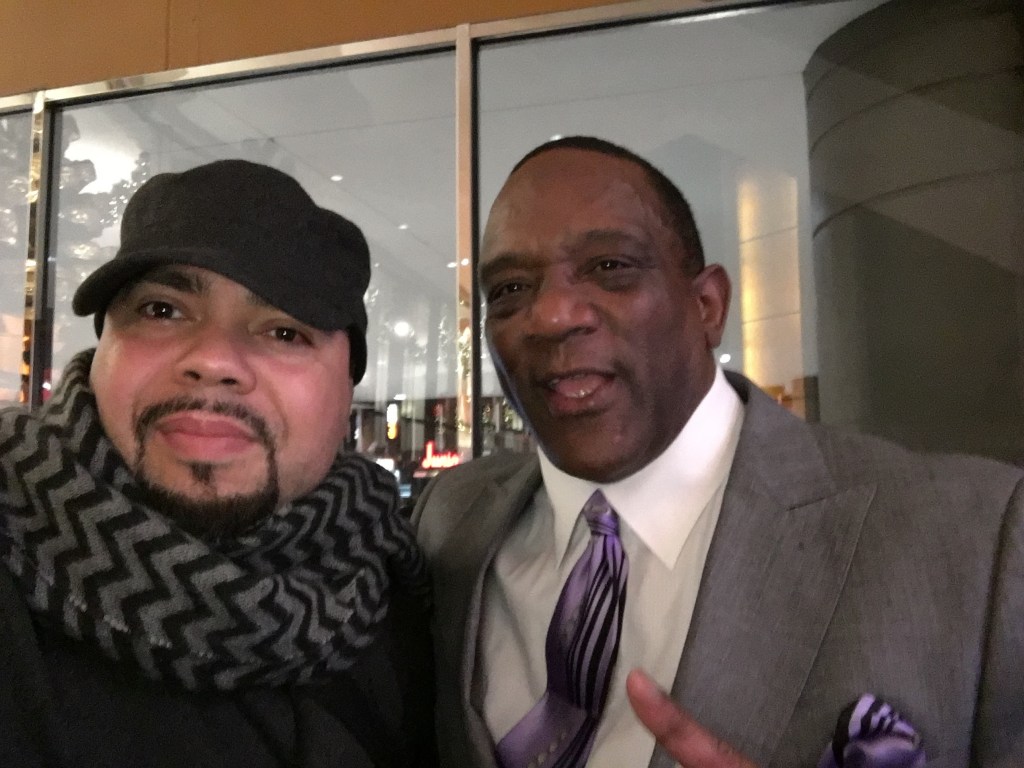
Julian has been a devoted Detroit Lions fan since the early 1980s, when a last-second field goal by the Washington Redskins broke his heart and permanently shaped his expectations. He is often asked whether his loyalty is a recent bandwagon phenomenon. His answer is always the same. He is the kind of Lions fan who can recognize Billy Sims walking down the street in Times Square after the Heisman Trophy Ceremony in 2016.







 Cloaking Inequity
Leave a comment