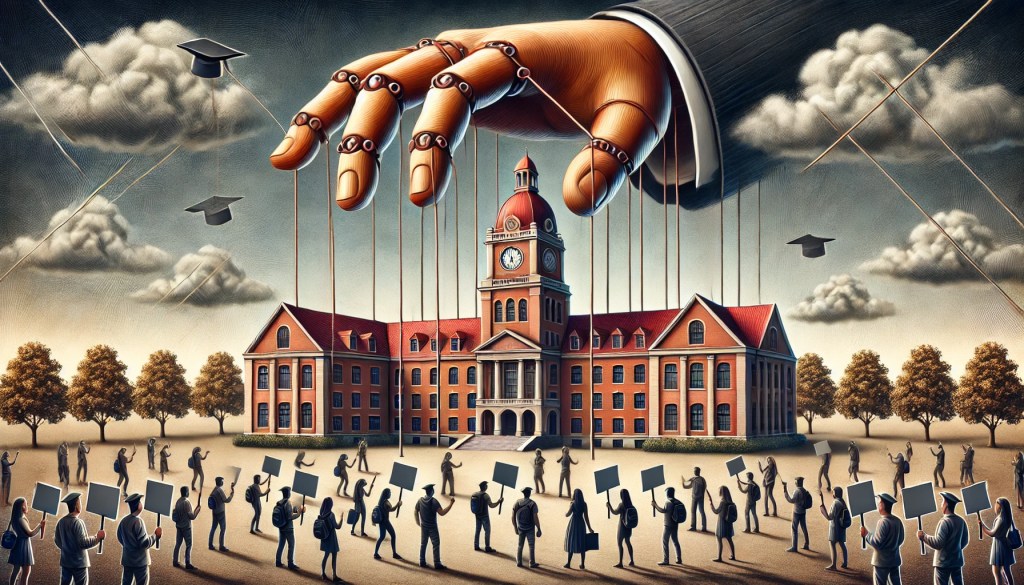
When humans face crisis, leadership is revealed. Not in speeches or slogans, but in patterns of behavior that repeat across time, sectors, and political systems. Problematic leaders tend to follow the same script, one that prioritizes self-preservation over truth, control over accountability, and power over people.
The first move is often to blame the victim. Rather than address harm, failure, or wrongdoing, responsibility is redirected downward or outward. Individuals who raise concerns are framed as the problem. Communities experiencing harm are accused of misunderstanding, exaggeration, or bad intent. This tactic shifts attention away from leadership decisions and reframes injustice as inconvenience or insubordination.
The second move is to withhold public information. Transparency becomes a threat rather than a responsibility. Key facts are delayed, buried, or selectively released. Leaders claim investigations are ongoing, details are unclear, or disclosure would be irresponsible. In reality, the delay serves a strategic purpose. It buys time to shape narratives, manage internal fallout, and reduce public pressure before the full story emerges.
Lack of transparency is rarely accidental. It is an intentional strategy. Meetings move behind closed doors. Communications become vague. Data disappears. Requests for clarity are met with silence or procedural excuses. The absence of information creates confusion, and confusion weakens accountability.
Lying often follows. Not always dramatic or easily disproven lies, but partial truths, misleading statements, and carefully worded denials. Leaders may contradict documented evidence, downplay known facts, or present speculation as certainty when it benefits them. These lies are often designed to sound reasonable enough to survive initial scrutiny while planting doubt about critics and whistleblowers.
Character assassination is another common tactic. When facts cannot be controlled, people are targeted. Those who speak up are described as disgruntled, unprofessional, unstable, or politically motivated. Their credibility is questioned rather than their claims addressed. The goal is not to prove wrongdoing false, but to make the messenger seem unreliable enough that the message or their death can be ignored.
Perhaps most damaging is the release of false or incomplete information before facts are known. Premature statements are framed as definitive. Early narratives are pushed aggressively, knowing that first impressions are difficult to reverse. Even when later evidence contradicts initial claims, the damage is done. Public memory often retains the first version of events, not the correction.
These behaviors are not signs of strength. They are signals of fear. Leaders who act this way are not managing crisis. They are managing exposure. They confuse authority with infallibility and accountability with attack. In doing so, they deepen the crisis they claim to be resolving.
Ethical leadership looks different. It centers truth over image, people over position, and responsibility over control. It acknowledges uncertainty rather than filling gaps with false certainty. It protects the vulnerable rather than punishing them. And it understands that transparency, even when painful, is the only path to legitimacy.
Crises do not destroy institutions. The choices leaders make during crises do.
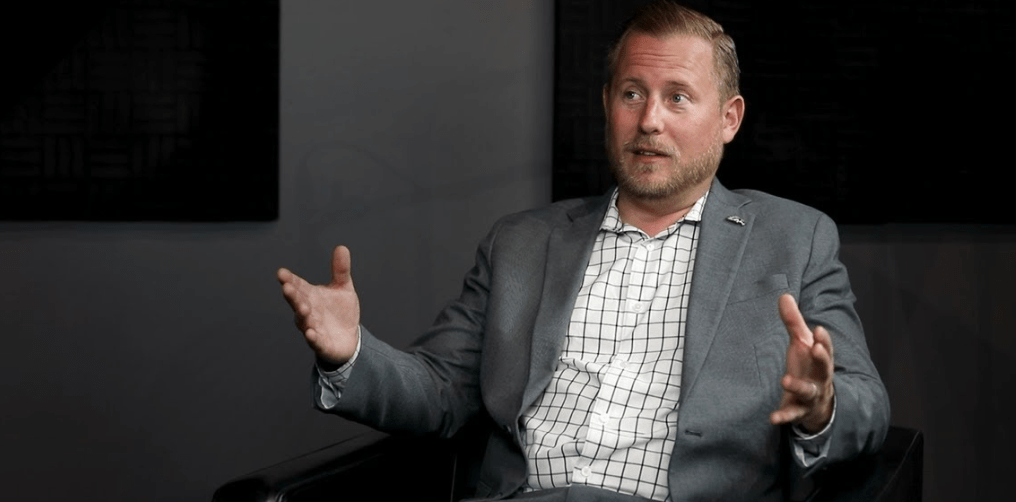
Julian Vasquez Heilig is a professor of educational leadership, research, and technology at Western Michigan University. He has served in senior leadership roles across higher education, including provost and dean, and works at the intersection of leadership, policy, and institutional accountability.



 Cloaking Inequity
Leave a comment