I had a profound experience at the Education Deans for Justice and Equity session at the 2026 AACTE conference in New Orleans. A friend and colleague whom I have respected for a long time stood up and offered a testimony about his struggle with a faculty and a university. He described how he had left a tenured position to join another academic community. He took that step on faith, believing he would be fully accepted and affirmed in his new institution. That did not happen. It was shocking, sad, and deeply disorienting to hear.
The room shifted when he finished speaking. The energy was no longer academic or performative. It felt exposed and human. This was not a policy debate about dean stuff anymore. It was a story about trust, risk, and the emotional cost of believing that courage would be met with community. It forced many of us to sit with our own quiet fears about belonging and failure.
The Culture of Early Arrival
His story collided in my mind with something Doug Murano once wrote. He said he is tired of “under 40” lists and wants instead to see the person who earns a PhD at sixty after losing everything, or the seventy year old debut novelist writing from a lifetime of love and grief. That statement resonates because it exposes a cultural obsession we rarely interrogate. We elevate early visibility and success as if it were synonymous with lasting significance. We treat speed as evidence of depth.
Under 40 lists are not inherently malicious. They are often framed as celebration. Yet they quietly encode a message about timing. They suggest that legitimacy must arrive early to count. They imply that if you have not broken through by a certain age, you are already behind. That narrative can burrow deep into the psyche of high achievers and shape how they interpret every setback.
In a career where timelines are rigid and milestones are public, this pressure intensifies. Graduate by this age. Tenure by that age. Promotion on schedule. Recognition early. When someone steps outside those expectations, whether by choice or circumstance, the deviation can feel like failure even when it is principled. Murano’s critique reminds us that excellence is not always precocious. Sometimes it is patient. Sometimes it is scarred.
Early Recognition and Its Illusions
I understand that early recognition can be powerful. In 2011, I received the UCEA Culbertson Early Career Award, and it was a meaningful springboard for my work. It opened doors and expanded networks in ways that mattered. It affirmed that the scholarship and leadership I was pursuing had traction beyond my own campus. I am grateful for that affirmation and the colleagues who extended it.
But recognition does not guarantee security. It does not immunize you against organizational politics or misalignment. It can create the illusion that you are firmly anchored when in reality the ground beneath you can still shift. It can even intensify expectations in ways that make recalibration harder. Success, especially early success, can conceal fragility.
The danger is not early achievement itself. The danger is our fascination with it as the ultimate metric of worth. When rapid career advancement becomes the primary proxy for value, we narrow the arc of what counts in life. We forget that some of the most courageous and consequential work emerges later in life. We overlook those who endure, recalibrate, and rise again after being told no in some fashion or form.
Faith, Failure, and Reality
My colleague’s leap of faith disrupts the tidy story that institutions often tell about merit. He did everything we say we value. He acted with courage. He aligned his professional life with his principles. He stepped away from security because an opportunity to make a difference for historically marginalized students mattered more. He believed he would be fully accepted in the new space. That belief was not fully realized.
This is a form of failure that is rarely acknowledged. It is not a failed experiment or a rejected article. It is the failure of expectation and trust. It is the emotional whiplash of moving from conviction to uncertainty. It is the realization that courage does not always yield immediate affirmation. That realization can be destabilizing even for seasoned leaders.
In a culture obsessed with success and upward trajectories, such moments can feel like falling off script. They complicate the narrative of steady ascent. They expose how contingent belonging can be. They reveal that recognition and acceptance are mediated by politics as much as by principle. They remind us that faith is not a contract.
Resilience Is Earned Through Pain?
There is a difference between celebrating resilience and embodying it. It is easy to praise resilience in theory. It is far harder to live it when the outcome is ambiguous. NVIDIA founder and CEO Jensen Huang has said that he operates with the mindset that his company is thirty days from going out of business. That posture forces vigilance and learning. He advocates failing quickly and inexpensively so that organizations can adapt rather than collapse.
In a 2024 address to Stanford students, Huang went further and said that to build resilience, he wished pain and suffering upon them. He argued that high achievers often lack resilience because much has come easily, and that true greatness is forged through overcoming challenges rather than intelligence alone. Those words are unsettling because none of us seeks pain. Yet many of us know that our deepest growth has come through seasons we would never voluntarily choose.
Pain exposes illusions about control and permanence. It forces us to confront who we are when status is stripped away. It demands that we decide whether our commitment was transactional or principled. My colleague’s story was not triumphant in a conventional sense (yet). It was layered with grief. His words were marked by integrity. That is resilience that is earned, not imagined.
The Injustice of Failing Upwards
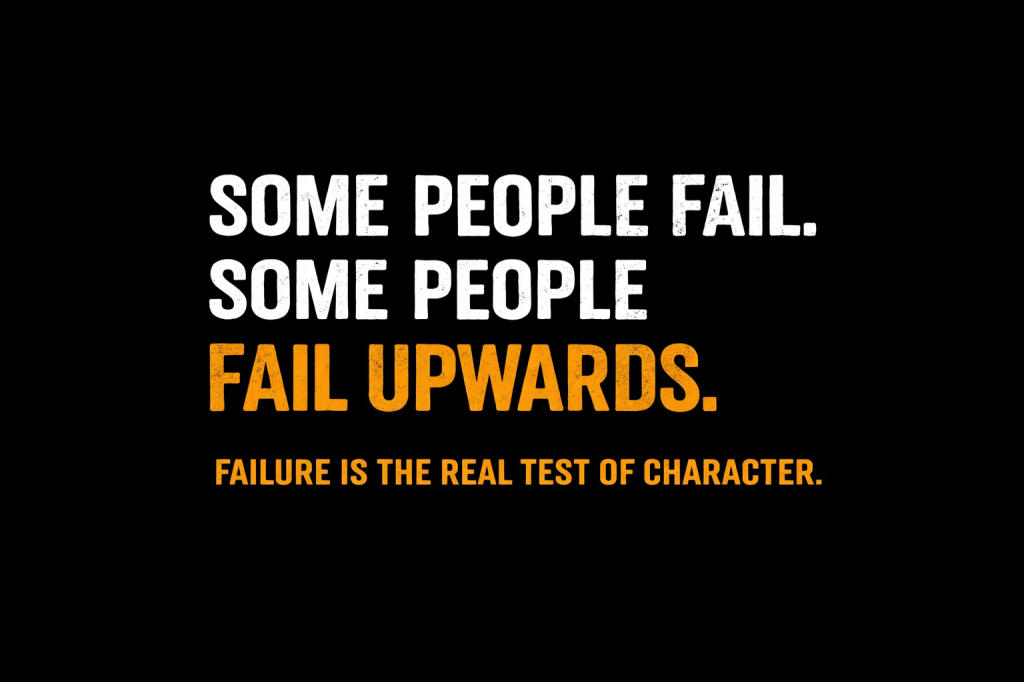
At the same time, we must name another reality. The phrase fail upwards refers to advancing or gaining higher status despite mediocrity, incompetence, or repeated mistakes. It points to systemic patterns where charisma, political maneuvering, or proximity to power are rewarded more than actual performance. When we see this happen, it unsettles us. It makes institutional rhetoric about excellence feel hollow.
There is something particularly painful about watching someone take a principled risk and lose security, while others advance without accountability or actual results. It can breed cynicism and quiet resentment. It can make courageous work feel dangerous rather than celebrated. It can cause young people to question whether integrity is sustainable within existing systems.
If we are serious about resilience, we must also be serious about accountability. Learning through failure is not the same as being shielded from consequences. Courage should not be punished while complacency is rewarded. When systems invert these values, trust erodes. Without trust, resilience becomes a solitary burden rather than a collective ethic.
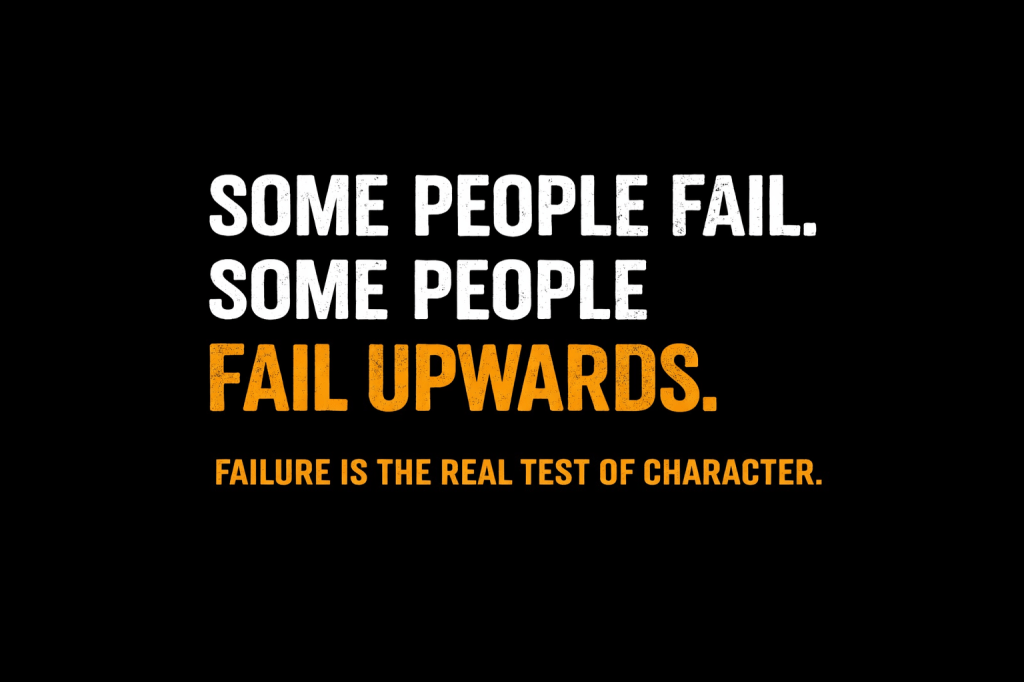
There Is No Expiration Date on Purpose
Murano’s critique of under 40 lists is ultimately about more than age. It is about the tyranny of timelines. It is about the subtle violence of suggesting that arrival must occur early and on time to matter. It is about honoring those who earn doctorates at sixty, who publish first novels at seventy, who persist through loss and return with deeper clarity. It is about widening the definition of excellence beyond precocity and timeliness.
There is no expiration date on purpose. There is no universal deadline on courage. Meaning does not evaporate because it did not unfold neatly. Sometimes it emerges after rupture. Sometimes it is forged in the very spaces that tried to diminish it. Sometimes it requires leaving before it can be fully realized.
For those who have stepped out on faith and felt disoriented by the landing, your story is not over. Shock and sadness do not negate courage. They testify to the risk you were willing to take. Institutions may fluctuate in their recognition. Titles may be granted or withheld. Under 40 lists may come and go. Purpose and legacy, however, are not bound by their expectations or clocks.
Please share.
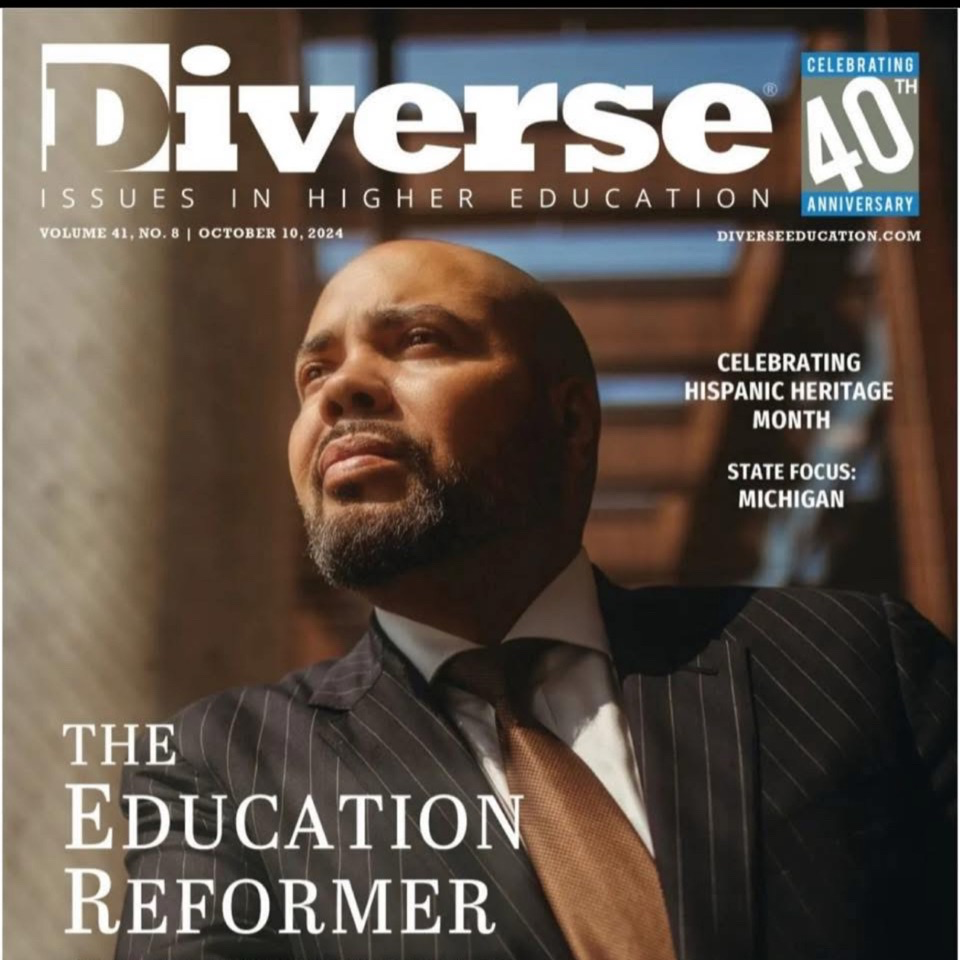
Julian Vasquez Heilig is a nationally recognized policy scholar, public intellectual, and civil rights advocate. He is a recipient of more than 30 honors, including the 2025 NAACP Keeper of the Flame Award, Vasquez Heilig brings both scholarly rigor and grassroots commitment to the fight for equity and justice.







 Cloaking Inequity
Leave a comment