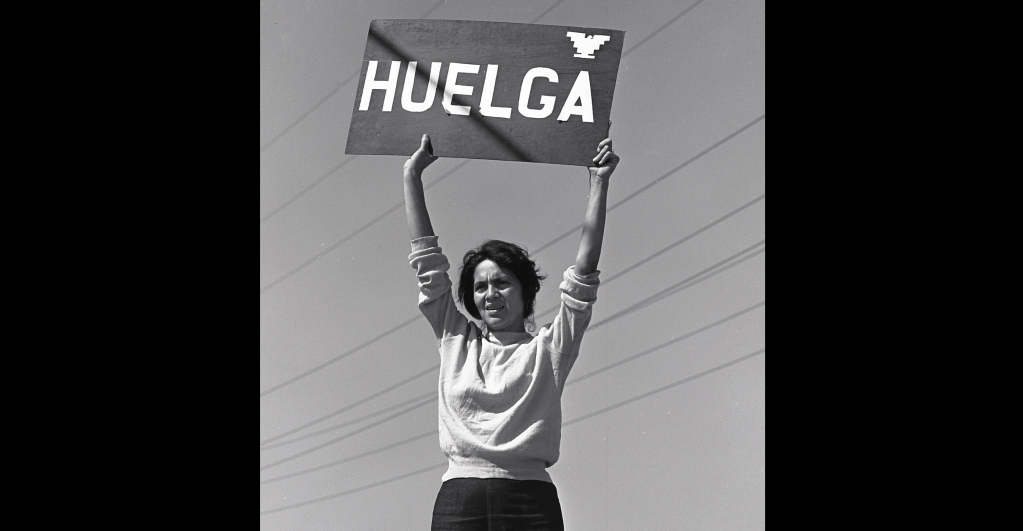
There are moments when history does not simply get revisited, it gets broken open in a way that forces us to confront what we thought we knew. This is one of those moments.
On March 7, I published a blog titled Midnight Shock: A “Sensitive Matter” About César Chávez’s Past Has Halted Celebrations. In that post, I wrote that the Cesar Chavez march had been cancelled in San Antonio and that there were unresolved questions about a “sensitive matter” beneath the surface of a legacy many had accepted without challenge. Cesar Chavez has stood as a symbol of justice, sacrifice, and the fight for dignity among farmworkers, with his name etched onto schools, holidays, and the public memory of a nation that needed heroes to believe in. However, human symbols are fragile when they are built on incomplete truths, and what we are witnessing in March of 2026 is a severe correction of history. This week, testimony and truth about Cesar Chavez were spoken aloud and publicly. The story we inherited about Cesar Chavez is no longer the story we can tell without question, and what once felt like uncertainty has now become undeniable.
The courage of Dolores Huerta and many others has changed everything, and it is impossible to overstate the weight of what they have done. At nearly 96 years old, Huerta chose to end more than 60 years of silence, not because it was easy, but because it was necessary. Her words do not just reveal personal pain, they reveal the cost of protecting a man at all costs, even when that cost was borne by women in silence. When she said, “My silence ends here,” she was not only speaking for herself, she was opening the door wide open for others’ truth who had carried their own stories in isolation. That kind of courage is not abstract, it is deeply human, and it demands that we listen differently. It forces us to center truth over comfort, even when that truth disrupts everything we thought we understood.
What happens next will be swift, because the justice movement is not the same as those who support the Confederacy and its moral abuses. There will, rightfully, be the renaming of schools, the removal of statues, and the stripping of Chavez’s name from public honors. The dismantling will feel like action, like accountability, like something has been resolved. Cesar Chavez will be erased from places of honor, and many will see that as justice being served. But erasure is not the same as understanding, and it is not the same as accountability. It is often a way to move forward without fully grappling with what has been revealed.
We must resist the urge to collapse the movement into the man, because doing so would erase far more than it corrects. The farmworker movement was never the work of one individual, no matter how central his name became. It was Dolores Huerta, who organized, strategized, and endured in ways that history often minimized. It was Filipino organizers who helped ignite the struggle and whose contributions are still too often overlooked. It was thousands of workers, families, and communities who risked everything for dignity, wages, and basic human rights. The movement was collective, messy, powerful, and rooted in people who believed in something larger than any one leader.
We are now being asked to hold truths about Cesar Chavez that are difficult, uncomfortable, and deeply human all at once. A man who helped lead one of the most significant labor movements in American history caused profound harm. A leader who spoke about dignity violated it in ways that cannot be ignored or minimized. A figure who was elevated into a symbol is being revealed as what he always was, a human being of both impact and harm. As someone in the New York Times article that broke the story from a multi-year investigation said plainly, Cesar Chavez was “just a man.” And that truth, while painful, is necessary as we move beyond myth and into accountability.
What Dolores Huerta has done strengthens the movement for justice by forcing it to become honest about a man. Her voice reminds us that movements are not built on perfection, they are built on persistence, sacrifice, and the willingness to confront injustice even when it exists within our own spaces. She told us that she did not spend a lifetime fighting for farmworkers only to protect a false narrative at the end. She spoke because the truth matters, because survivors matter, and because the movement itself deserves to stand on a foundation that is real, not idealized.
If our response to this moment is only to remove Chavez’s name, then we will have missed what this moment is trying to teach us. We will have replaced one simplified story with another, one that avoids the complexity of power, harm, and collective struggle. Real accountability requires more than symbolic action, it requires us to listen, to learn, and to tell the full story even when it is uncomfortable. It requires us to center survivors and ensure that their voices are not overshadowed by the legacy of the person who harmed them. It also requires us to preserve the history of the movement itself, not as a myth, but as a living example of what collective action can achieve.
The danger in this moment is that the movement for justice itself will be reduced to something smaller than it truly was. Reduced to a single name, a single scandal, a single narrative that is easier to process but less true. If we allow that to happen, we lose the lessons that the civil rights movement offers about organizing, sacrifice, and the power of collective action. We lose the understanding that change is not driven by perfect individuals, but by imperfect people working together toward something larger than themselves. We lose the ability to see history as something we must engage with, not simplify.
The movement for justice and civil rights has to remain the focus, not because it is easier, but because it is the only honest path forward. It is the only way to honor the workers who fought for dignity, the women who carried both the movement and its burdens, and the generations who were changed by their efforts. This moment calls us to be more thoughtful, more courageous, and more committed to truth than ever before. Because in the end, what we choose to remember, and how we choose to remember it, will shape what we build next.
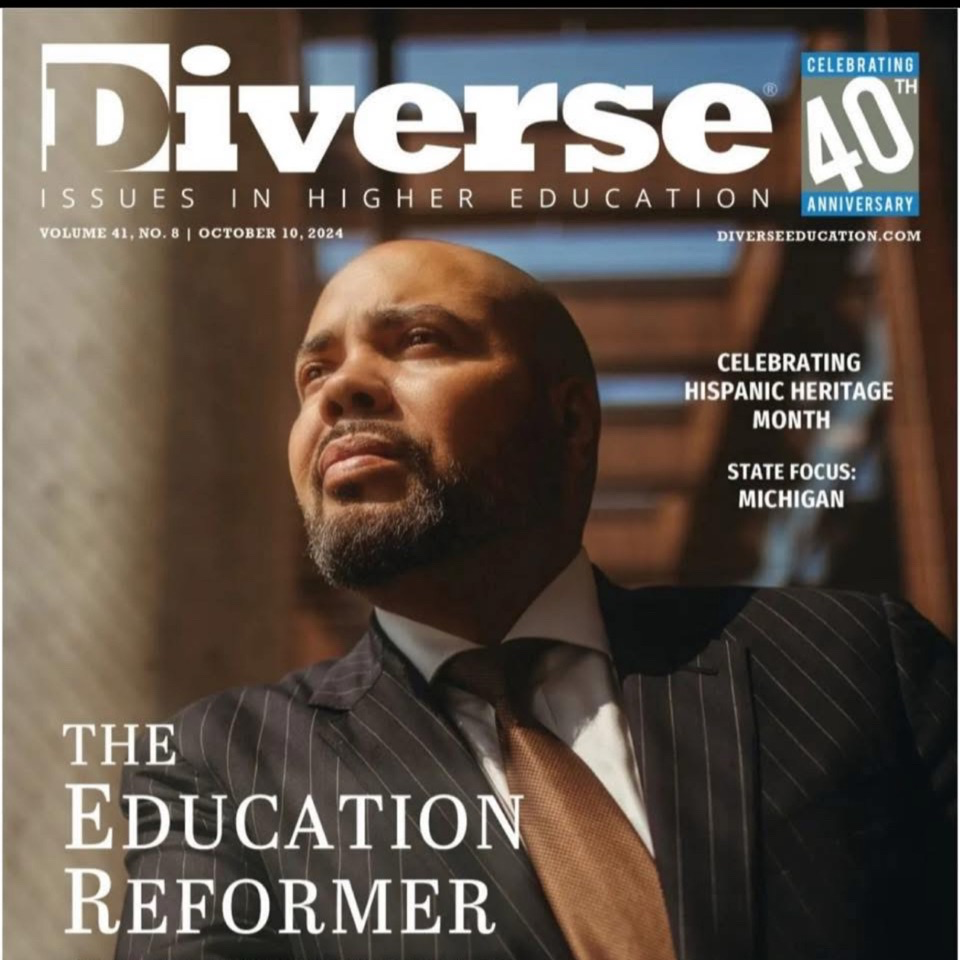
Julian Vasquez Heilig is a nationally recognized public scholar, commentator, and civil rights advocate. He has appeared on major national platforms including Democracy Now!, MSNBC, Al Jazeera, NBC News, PBS, and Univision. His media work reflects a longstanding commitment to making complex policy issues accessible, urgent, and meaningful for the public.





 Cloaking Inequity
Leave a comment