If you were scrolling through Facebook or other media after the Super Bowl, you might have seen the usual chorus of complaints: Worst halftime show ever. The outcry was predictable. Any performance that doesn’t fit neatly into the sanitized, all-American spectacle expected at this event tends to be met with confusion, frustration, or outright hostility.
But to me, this was one of the most interesting halftime shows in years—precisely because its message required a level of sophistication that likely sailed right past the NFL censors. This is the same league, after all, that quietly scrubbed “End Racism” from the end zones before kickoff.
So let’s talk about what I noticed.
“40 Acres and a Mule”
Lamar set the tone from the very beginning: “40 acres and a mule. This is bigger than the music.”
For those unfamiliar, this is a reference to the unfulfilled promise made to formerly enslaved Black people after the Civil War. A promise that was quickly rescinded. A wound that has never healed. A debt that has never been repaid.
The American Flag—But Make It Real
The American flag imagery was front and center, but not in the way we’re used to seeing it at these events. The flag performers? All African Americans. That alone was a statement. It was a deliberate reminder of the foundational role that African Americans have played in building this country—through labor, culture, and struggle.
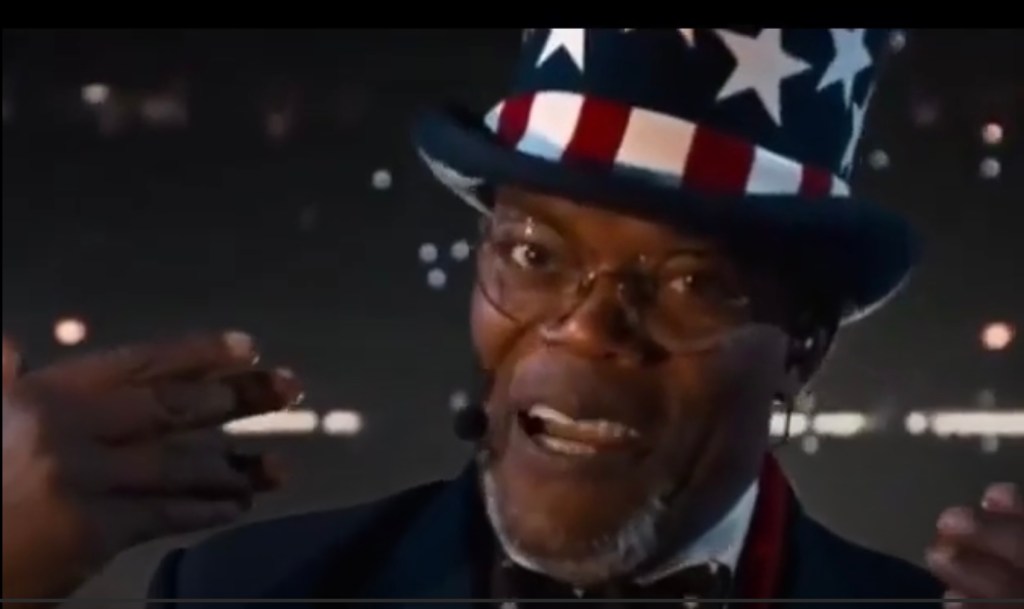
And then, there was Samuel L. Jackson.
Uncle Sam as Uncle Sam
Decked out in a star-spangled suit, Jackson welcomed us to the show with, “Salutations, it’s your Uncle Sam, and this is the great American game.” His voice intermittently narrated the performance, embodying a twisted version of patriotism—one that both celebrates and critiques the system it represents.
At one point, he even remarked that the performance was too ghetto. A throwaway line? Hardly. It was a self-aware acknowledgment of how Black art and expression are constantly policed, questioned, and deemed inappropriate for mainstream audiences.
Jackson’s presence immediately reminded me of Django Unchained, where he played a character deeply invested in maintaining the status quo of oppression. Was this another layer of commentary? Perhaps.
The Flags That Weren’t Approved
One moment that stood out was when a dancer briefly held up a Palestinian and Sudanese flag. Reports say charges are pending. That alone is an indictment. If he was authorized to be on the field, what exactly is the crime? Expressing an opinion that wasn’t pre-approved? I’ll be paying close attention to what happens next.
The Closing Message: “TV Off”
At the end of the performance, Kendrick Lamar delivered a message that was both subtle and loud: TV Off.
For some, it might have just been a nod to the halftime score. But for those paying attention, it was more than that. It was a challenge. A call to action. A reminder that entertainment shouldn’t just be passively consumed—it should make you think. It should make you question.
And if you still didn’t get the point? Well, that was the whole point.
Many viewers claimed they didn’t understand what was being said. That, in itself, is a statement about our education system.
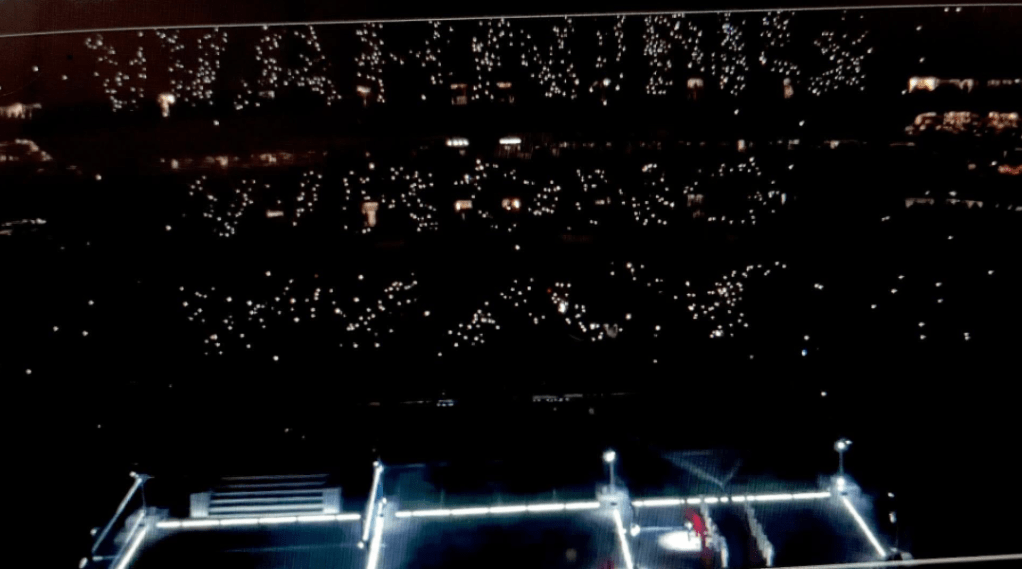
And then came the crowd—a sea of coordinated wristband lights flashing a final warning: WRONG WAY.
Well Executed
Lamar’s performance was a masterclass in subversion. From the Squid Game reference to the “right time, wrong guy”moment at the start, to the “game over” text at the end—it was all intentional. All sharp. All layered.
So no, this wasn’t the worst halftime show ever.
It was one of the most daring.
And for that, I’m here for it.





 Cloaking Inequity
Leave a reply to Sherrell Bussey-Echols Cancel reply