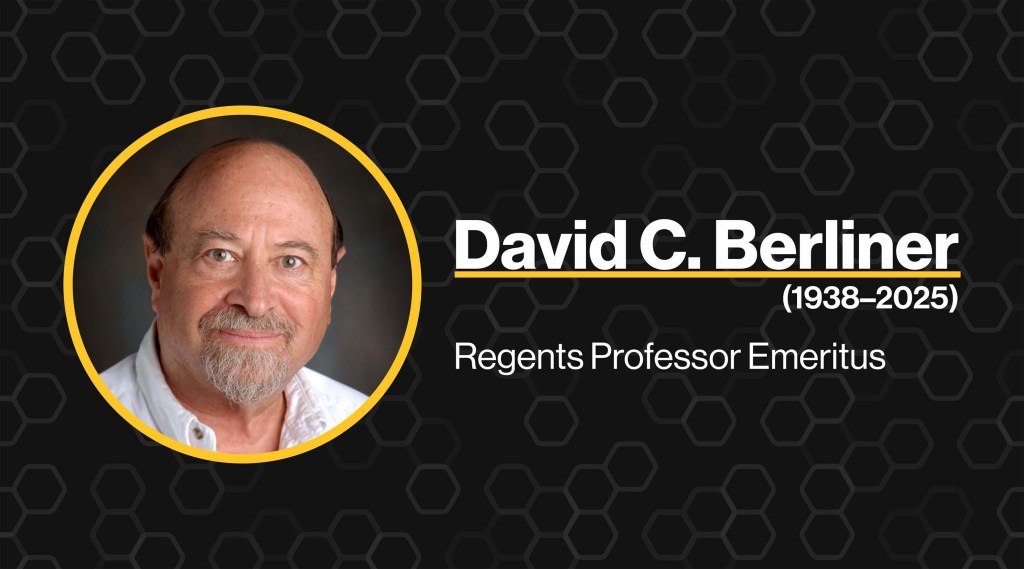
The education field lost one of its most important scholars with the passing of David C. Berliner. For decades, David helped shape how we understand teaching, learning, and the politics surrounding public education. His work combined rigorous scholarship with a deep moral commitment to the idea that public schools are foundational to democracy.
Many people know David for the landmark book he co-authored with Bruce Biddle, The Manufactured Crisis. At a time when political leaders and media narratives were claiming that American public schools were collapsing, David’s research challenged that storyline directly. The book exposed how claims of widespread educational failure were often exaggerated or politically constructed, and it helped shift the conversation toward the real structural challenges facing schools, including poverty and inequality. For many scholars and educators, The Manufactured Crisis became a model of how research can challenge dominant narratives and defend public institutions.
David continued this work throughout his career. He consistently reminded the field that public education is not just about producing test scores or workforce credentials. Public schools are civic institutions that sustain democratic life. That commitment was reflected again in the book he co-edited with Cara Hermanns, Public Education: The Cornerstone of American Democracy. The volume brought together scholars to examine the role of public schooling in maintaining democratic society.
I had the privilege of contributing a chapter to that book. My chapter, Scrutinizing the School Choice Equity Ethos for Black Parents, examined how school choice policies are framed in the language of equity while often reproducing inequality. David invited scholars into that project because he believed these debates mattered for the future of democracy. When David Berliner asked you to write something, you said yes. He had a way of convening scholars around questions that mattered for the public good.
Beyond his scholarship, David was extraordinarily generous as a mentor and editor. He invested in emerging scholars and supported those willing to challenge powerful narratives about education. At one point he told me that I was one of America’s most important and original voices. When you are doing critical work that questions dominant policy agendas, that kind of affirmation matters more than people realize. Equity work can feel isolating, and David understood that.
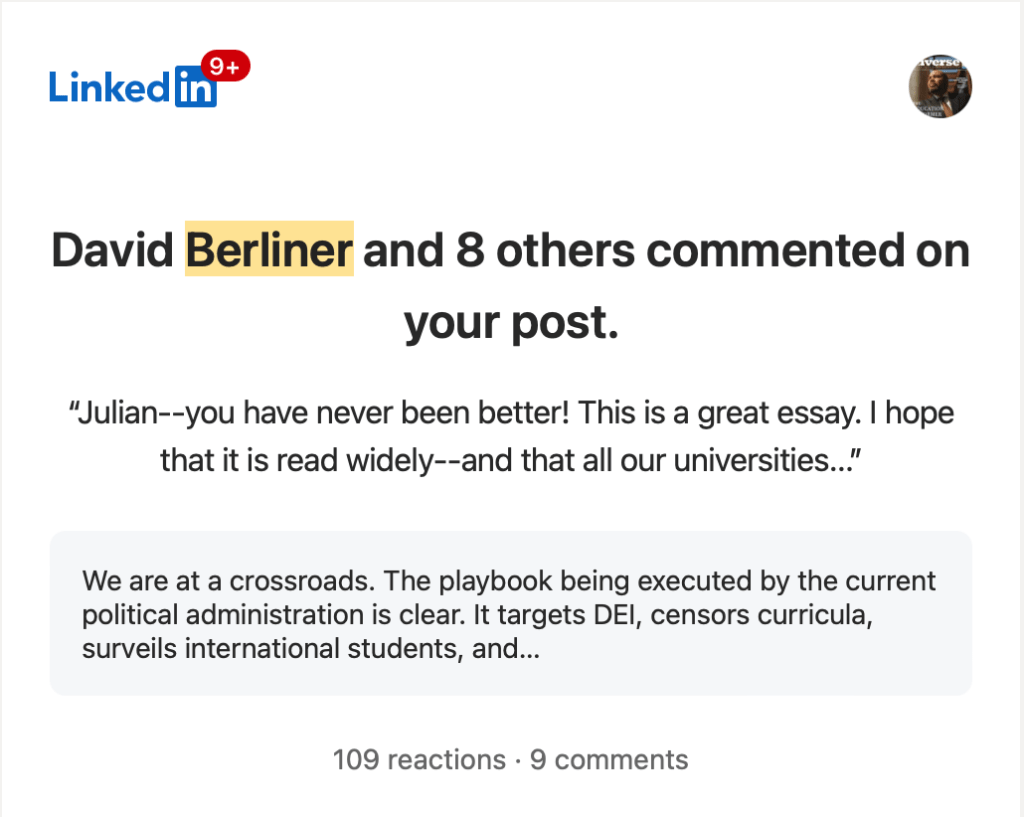
The last thing he said to me was on LinkedIn. He commented on one of my posts and wrote that I was writing better than I ever had before. Coming from David, that meant a lot. And I believe he knew that comment came at just the right time. He cared deeply about scholarship, about truth telling, and about the responsibility of being a public intellectual.
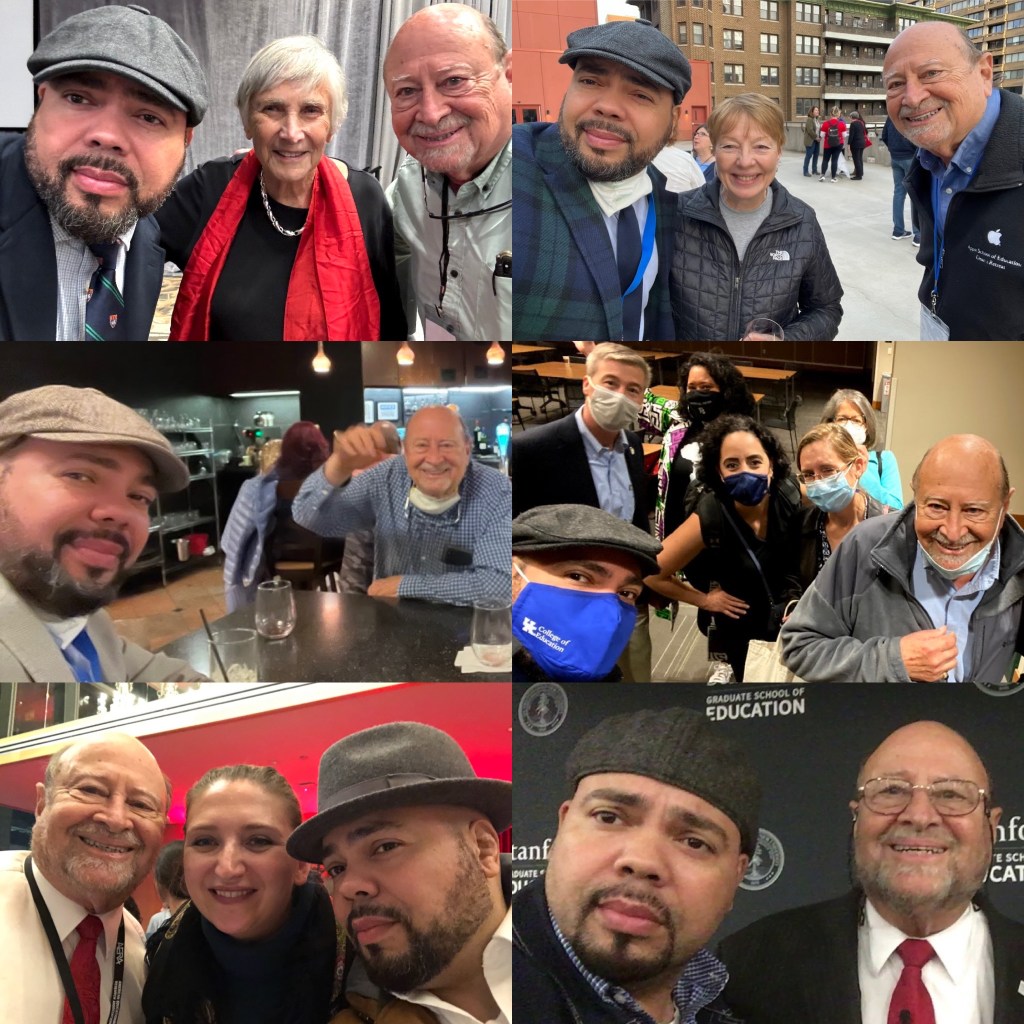
Some of my favorite memories of David come from the broader community of education scholars and activists. I remember being at Diane Ravitch’s home in Brooklyn when we were beginning the work that would become the Network for Public Education. During one visit, I noticed David’s book sitting on Diane’s shelf and sent him a photo. His reply captured his personality perfectly. He wrote back, “It’s about time.”
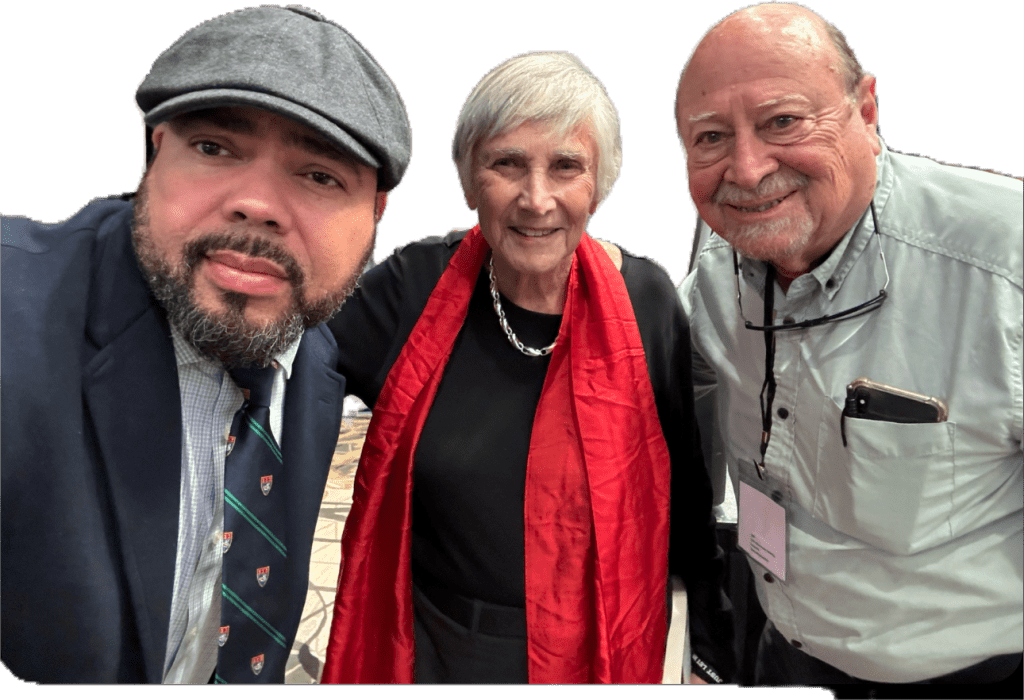
Over the years I would also see David and Ursula at the Latino Pachanga at the American Educational Research Association conference. Those gatherings reflected something important about David. Even though he was one of the most accomplished scholars in the field, he remained present in the community. He showed up, listened, encouraged people, and supported the next generation of researchers.
David’s legacy also lives in the way he treated people. Just the other day, an emerging faculty member reached out to me. I told them that when they reached out, I knew I had to reach back. I said that because David would have done that for me. That is the example he set for many of us.
His scholarship reshaped how we think about educational inequality, accountability, and the political narratives surrounding schools. But perhaps even more importantly, he modeled what it means to be a scholar who uses research in service of democracy.
I think about him almost every day. I miss his voice, his humor, his clarity, and his courage. Below is my final goodbye.




 Cloaking Inequity
Leave a reply to Sara Roos Cancel reply