Not who celebrated you once success made belief easy and socially convenient. Who saw you before the evidence existed? Who recognized possibility in you while you were still uncertain, unfinished, struggling, awkward, overlooked, or invisible to everyone else? That kind of seeing is rare because real seeing is not simply noticing talent. Real seeing is the ability to recognize humanity, potential, and direction in another person before the world provides proof that they deserve attention.
To truly see someone is an act of imagination, intuition, and courage. It means looking beyond grades, status, confidence, clothing, circumstances, or temporary failure and recognizing the possibility of who someone could become. Seeing is different from evaluating because evaluation measures what already exists while seeing imagines what might still emerge.
Institutions are often built around safe choices because safe choices reduce risk and create predictability. For example, search firms usually invest in the candidate with the perfect and polished résumé, the candidate with the obvious credentials, or the person already validated by a title. But change makers and game changers are often different because the people who become transformative are not always the safest or most obvious choices at the beginning.
Sometimes there is something harder to measure but impossible to ignore. Some people carry a certain energy long before success arrives. You can feel the commitment, the intensity, the hunger, the curiosity, the resilience, or the vision before there are awards or metrics to justify your belief. They have a presence, a vibe, an aura that communicates possibility even when their résumé is still rough around the edges. The people who truly know how to see understand that greatness often arrives unpolished. It takes special talent to recognize potential before the world confirms it because that kind of recognition requires instinct, wisdom, and the willingness to believe before there is evidence that belief will pay off.
That is why the story of NBA center Mitchell Robinson stays with people. Before the draft night cameras, the professional contracts, and the NBA arenas, he was simply a tall and quiet kid walking around a Louisiana neighborhood that most people overlooked. A coach got a phone call about him and decided to drive down to meet him. When the coach’s wife, Dawn Fawken, saw Mitchell Robinson for the first time, she immediately turned to her husband and said something simple but transformative: “He’s special. We have to help him reach his full potential.” That sentence changed everything because somebody decided his future mattered before success made the investment obvious.
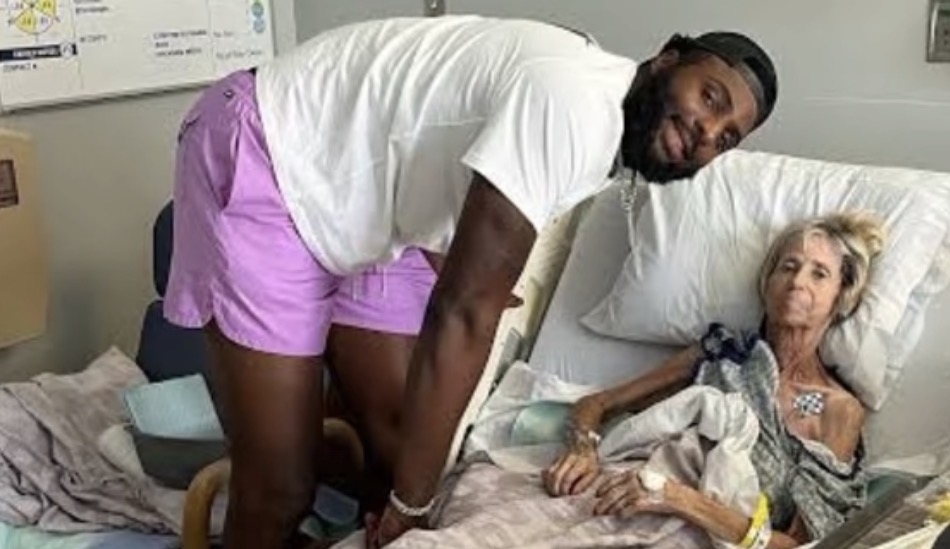
Mitchell Robinson practically lived in that gym after that. His mother later said she never had to wonder where he was because she could simply drive to the school and find him there. He became a McDonald’s All-American and eventually the New York Knicks selected him in the 2018 NBA Draft. Years later, after Dawn Fawken became ill with cancer, Robinson visited her in the hospital every single day. At her funeral, he put his arm around Coach Butch Fawken and quietly said four words that carried the full weight of gratitude, loyalty, and love: “Coach, I got you.” Then he brought him to New York and cared for him for months because he never forgot who saw him first.
We live in a culture obsessed with self-made success stories. People love narratives about grit, hustle, determination, and individual greatness because they fit neatly into the mythology of American success. But almost nobody becomes who they are alone. Behind nearly every successful person is somebody who recognized possibility before accomplishment made belief easy. Somebody opened a door, extended patience, offered encouragement, created safety, or spoke confidence into a fragile moment when doubt could have easily won. Sometimes those moments appear dramatic in hindsight, but more often they are quiet acts of care that accumulate slowly over time until they change someone’s understanding of themselves.
When I think about who saw me first, my mind immediately goes back to fifth grade. Fourth grade was difficult for me because I had a teacher who seemed more interested in punishment than possibility. Every mistake felt magnified, and school slowly became less about curiosity and more about avoiding humiliation. Children absorb the expectations adults place on them, especially when those expectations communicate disappointment, irritation, or distrust. It is remarkable how quickly a child can begin to internalize the belief that they are a problem instead of a person with potential.
Then came fifth grade and John Studley. He saw me differently than the teacher before him had seen me, and that changed everything. He treated me like someone who could think, contribute, grow, and succeed instead of someone who needed constant correction. There was no dramatic speech or cinematic breakthrough moment that instantly transformed my life. Instead, there was consistency, encouragement, patience, and the subtle but powerful feeling that an adult believed in me. Years later, I still remember him because children rarely forget the adults who first make them feel visible in a positive way.
As I grew older, there were other people who saw me before the world fully did. In college, maybe it was Sylvia Hurtado at the University of Michigan when she was still an untenured assistant professor. At the time, she did not yet possess the institutional status or national recognition she would later earn, but she created intellectual spaces where students felt like they belonged. She made scholarship feel accessible instead of distant and intimidating. For many students, especially first-generation students or students navigating institutions that were not historically built with them in mind, the greatest barrier is often not intelligence. The greatest barrier is the inability to imagine themselves as people who belong in those spaces at all.
Sometimes being seen happens later in life and in unexpected moments. I still remember the provost at the University of Kentucky wanting to meet me personally in the Denver airport after I had already completed the formal interview process on campus in Lexington for the College of Education Dean position. Technically, the interviews were over and the search process had already moved through its official stages. But he wanted another daylong conversation in the Denver airport because he understood something deeper about leadership and institutions. Hiring decisions are not only about credentials, presentations, or résumés. They are also about trust, humanity, instinct, and whether someone truly sees the person behind the application materials.
Who saw you first? Who looked beyond your résumé, uncertainty, fear, circumstances, or incomplete story and decided you were still worth investing in anyway? Who recognized possibility before there was evidence that the investment would pay off? Most of us can trace our lives back to moments like that if we are willing to reflect honestly enough. Sometimes the people who changed our lives do not even realize the impact they had because they were simply acting out of care, instinct, or belief in that moment.
The harder question may not be who saw you first, but whether you have thanked them lately. Too often gratitude becomes something we feel privately but never express directly to the people who deserve to hear it. Teachers retire without knowing which students still carry their encouragement decades later. Coaches grow older without realizing which former athletes still hear their voice during difficult moments. Professors move on without understanding how many students built careers, identities, and confidence from the intellectual space they helped create.
Stories about who saw us first matter because they remind us that human relationships remain at the center of education, mentorship, leadership, and opportunity. We are living through a moment when schools and educators are increasingly reduced to political talking points, performance metrics, and ideological battles. Yet beneath all of those debates are deeply human interactions that shape lives in ways data can never fully capture. A coach’s wife looked at a quiet 6’11” kid and decided his future mattered. A fifth-grade teacher chose encouragement instead of punishment. A professor created space for students to imagine themselves as scholars because she could feel their potential before the world validated it.
The real question is whether we remember those people while we still have time to tell them what their belief meant. Too often we assume there will be another conversation, another conference, another phone call, another chance to say thank you. We move through life carrying the confidence, opportunities, and direction they helped give us without always turning back to let them know how much their investment mattered. Then suddenly the moment is gone. A funeral arrives. A retirement announcement appears. An unexpected loss changes the timeline forever. What remains is gratitude mixed with the ache of unfinished words.
That is one reason Professor David Berliner’s death hit me so hard. David was not only a giant in education research. He was someone who saw me, encouraged me, challenged me, and helped shape the way I understood scholarship and public responsibility. I kept thinking there would be more time to talk, more time to reflect, more time to say clearly what his mentorship meant to my life and career. Losing someone like that forces you to confront how easy it is to postpone gratitude while assuming the people who shaped us will somehow always remain within reach. Sometimes the deepest grief is connected not only to loss itself, but to the conversations we thought we would still have.
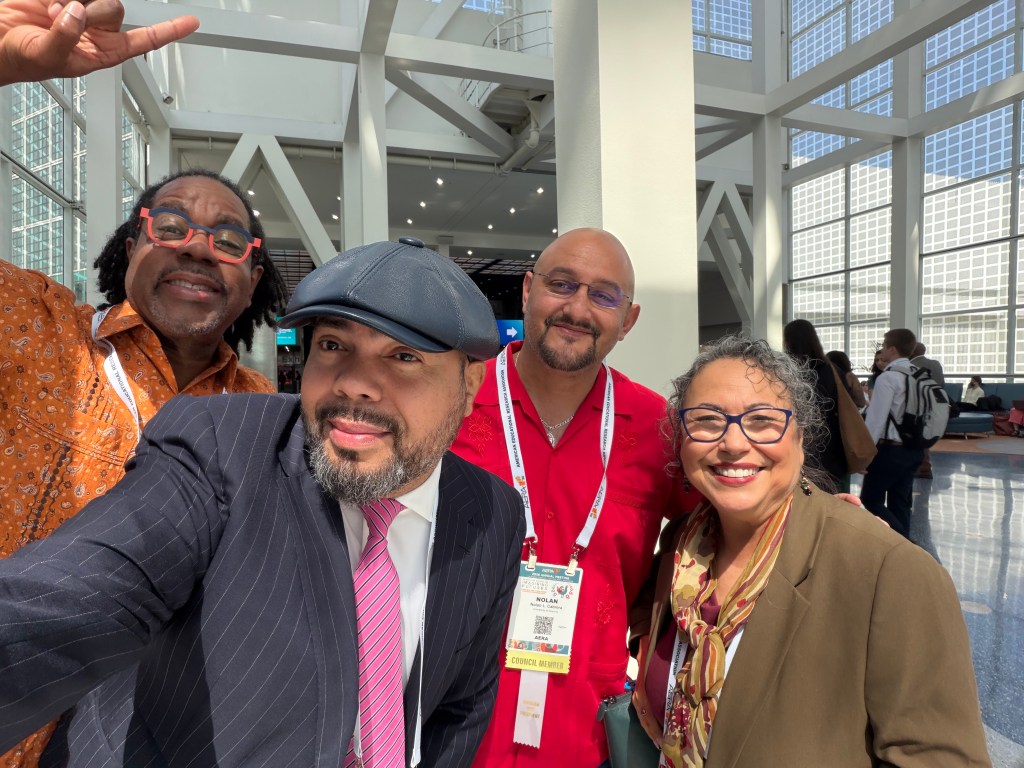
That experience also reminded me why I try to thank people while I still can. Honestly, every time I see Sylvia Hurtado, I thank her, including when I saw her at AERA 2026. I never want to assume people already know the impact they had. I want them to hear it directly. I want them to understand that the intellectual space they created, the encouragement they offered, and the belief they extended mattered long after the moment itself passed. Too many educators, mentors, and leaders leave this world never fully knowing how profoundly they changed someone’s life simply because the people they helped never said the words out loud.
Gratitude has the power to complete the circle of belief that started years earlier with someone simply choosing to care. Sometimes the most important thing we can give the people who saw us first is confirmation that their investment mattered. That their patience mattered. That their encouragement mattered. That the small moments they may barely remember became turning points we carried for decades. The people who saw us before the world did deserve to know that their belief was not wasted.
Finally, another question may be even more important. Have we become that person for somebody else? Somewhere nearby is a human carrying uncertainty, insecurity, fear, disappointment, or untapped brilliance who simply needs one person to notice them differently. They do not need perfection. They do not need someone with all the answers. They need someone willing to look beyond what exists today and believe in what could still become possible tomorrow. Long before greatness becomes visible to everyone else, transformation often begins quietly when one person decides: “I see something in you. Keep going. Don’t stop now.”
Please share.
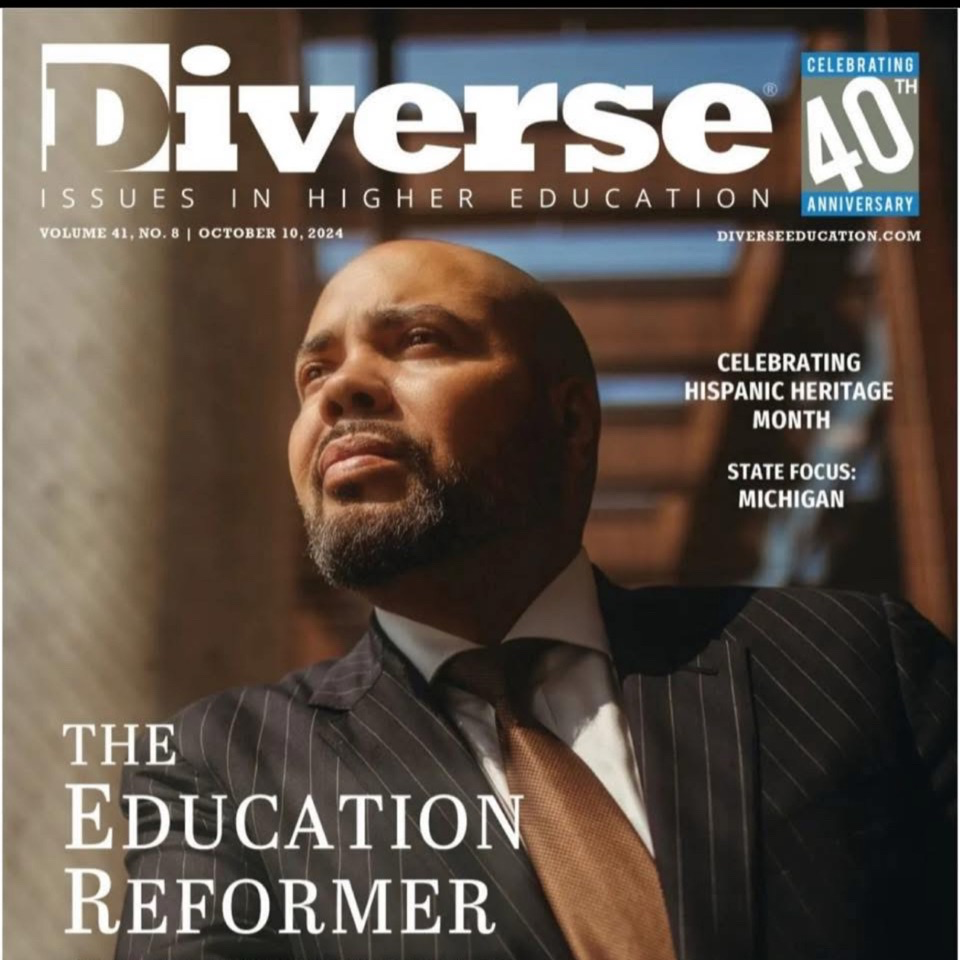
Julian Vasquez Heilig is a nationally recognized public scholar, commentator, and civil rights advocate. He has appeared on major media platforms including Democracy Now!, MSNBC, Al Jazeera, NBC News, PBS, and Univision. His media work reflects a longstanding commitment to making complex policy issues accessible, urgent, and meaningful for the public.



 Cloaking Inequity
Leave a comment