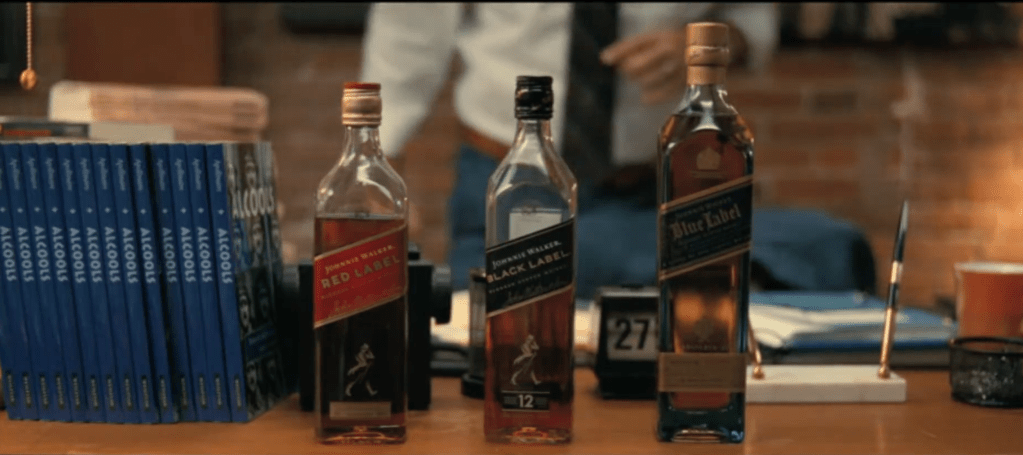
In American Fiction, there’s a moment every creator, every doer, should hear, and most aren’t ready for.
An agent looks a writer dead in the eye and breaks the illusion: Creativity and commerce aren’t enemies. Then he reaches for a bottle. Not metaphorically, literally. “Johnnie Walker makes three kinds of scotch,” he says.
Blue. Black. Red. Different audiences. Different purposes. Different price tags.
But then comes the line that changes everything: “They’re all made by the same company.” That’s the part that lingers. Because suddenly, the question isn’t whether you’re drinking the right label, it’s whether you understand your own range. The masterpiece. The changemaker. The middle ground. They don’t cancel each other out. They come from the same source. And that realization forces a harder truth: Maybe the real divide isn’t between quality and impact. It’s whether you’re willing to own all of who you are as a creator, a doer.
Blue Label Moments
Blue Label work is rare because it requires courage. It asks you to invest fully in something that may never return anything measurable. It asks you to trust your sense of timing when others may not understand it. It asks you to act with clarity even when the room is filled with doubt.
For creators and doers, Blue Label moments might take the form of a project that no one asked for. They might appear as a risk that does not make sense on paper. They might be the decision to speak when silence would be safer. These are the moments that stretch identity and redefine purpose. They are not frequent, but they are formative. They often come with uncertainty and vulnerability. Yet they also open the door to transformation and growth.
What makes these moments powerful is not just their rarity, it is their quality. They come from a place of conviction that is deeper than external reward. They remind you why you started and what you value. They also create a reference point that shapes how you approach everything else. When you have experienced a Blue Label moment, you carry it with you into future decisions. That memory becomes a source of strength and direction. It helps anchor you when external pressures begin to rise.
Red Label Realities
At the same time, there are real needs that require attention and resources. There are deadlines, obligations, and constraints that shape how work is done. Most of life unfolds in this space of ongoing demand. Work that meets these needs may not feel extraordinary, but it is essential. It keeps systems moving and stakeholders supported. It ensures that stability is maintained over time. It also builds the habits that support long term success.
Creators and doers live in this reality as much as anyone else. There is the article written on deadline. There is the meeting that requires preparation. There is the work that ensures stability and continuity. These forms of work are often overlooked, yet they create the conditions that make everything else possible. They develop discipline and consistency. They also reinforce the importance of reliability.
Red Label work is not a distraction from purpose, it is part of purpose. It teaches discipline and consistency. It builds capacity and resilience. It allows you to sustain your practice over time. Without it, even the most meaningful vision struggles to survive. It grounds your work in reality and responsibility. It also connects your efforts to the needs of others.
Black Label Territory
Between these two spaces is where most meaningful work is built. Black Label is the space where craft meets audience in a sustained way. It is the disciplined middle where quality and reach are held together with intention. It is where your voice becomes both clear and accessible. It allows ideas to travel without losing their depth. It also creates opportunities for connection across different audiences.
Black Label work is not about compromise, it is about translation. It is where you take complex ideas and make them usable theory without losing depth. It is where you learn how to connect with people who may not share your background. It is where you refine your message so that it can travel. This process requires patience and skill. It also demands a commitment to clarity.
For many creators and doers, this is where identity is shaped. It is the book that reaches readers and still feels authentic. It is the talk that resonates across different spaces. It is the body of work that builds trust over time. This is the space that sustains both the rare and the routine. It creates a bridge between vision and impact. It also establishes a reputation that can endure.
The Same Maker: Johnnie!
The insight that all of these forms of work can come from the same source is what makes the metaphor powerful. It challenges the idea that you have to fragment yourself to survive. It suggests that range is not a betrayal of identity, it is an expression of it. It allows you to move between different modes of work without losing your center. This perspective encourages confidence and flexibility. It also supports a more integrated sense of self.
When we accept that these modes can coexist, you begin to approach your work differently. You stop asking which version of yourself is the real one. You start asking how each version serves a different purpose. This shift creates space for both sustainability and meaning. It reduces internal conflict and confusion. It also opens the door to greater creativity and expression.
Creators and doers face this challenge constantly. They have to decide when to invest deeply and when to conserve energy. They have to sense when a moment calls for risk and when it calls for stability. These decisions are rarely clear, and they often involve uncertainty. They require courage and patience. They also demand reflection and learning.
There is no universal rule that can guide every choice. What matters is the development of discernment. Discernment is built through experience, reflection, and attention. It allows you to respond in a way that fits the situation rather than forcing the situation to fit a fixed model. It helps you avoid rigid thinking. It also supports wiser decision making over time.
Final Pour
Arthur’s insight in American Fiction carries that same invitation in a different form. You do not have to choose between meaning and sustainability. You do not have to limit yourself to one mode of expression. You can create work that feeds your soul and work that sustains your life. This perspective allows for freedom and growth. It also affirms the value of range.
The invitation is not to perfect balance, but to intentional movement. It is to know what you are creating in this moment. It is to understand who it is for and why it matters. It is to recognize which kind of work the moment requires and to respond with clarity. This approach builds confidence over time. It also strengthens your sense of purpose.
When you “drink” all the things, your work becomes a witness to who you are and what you believe. It becomes a steady rhythm of choosing purpose over fear and clarity over noise. It becomes a way of showing up fully in the moments that define your life and not just the ones that reward you. You start to trust that your range is not confusion, it is calling, and that your ability to move between depth and demand is a strength. Over time, you realize that the question is no longer about which label defines you, it is about whether you are willing to pour with intention when the moment arrives. And when that moment comes, you will not hesitate, because you have learned how to recognize it, how to honor it, and how to give what actually matters.
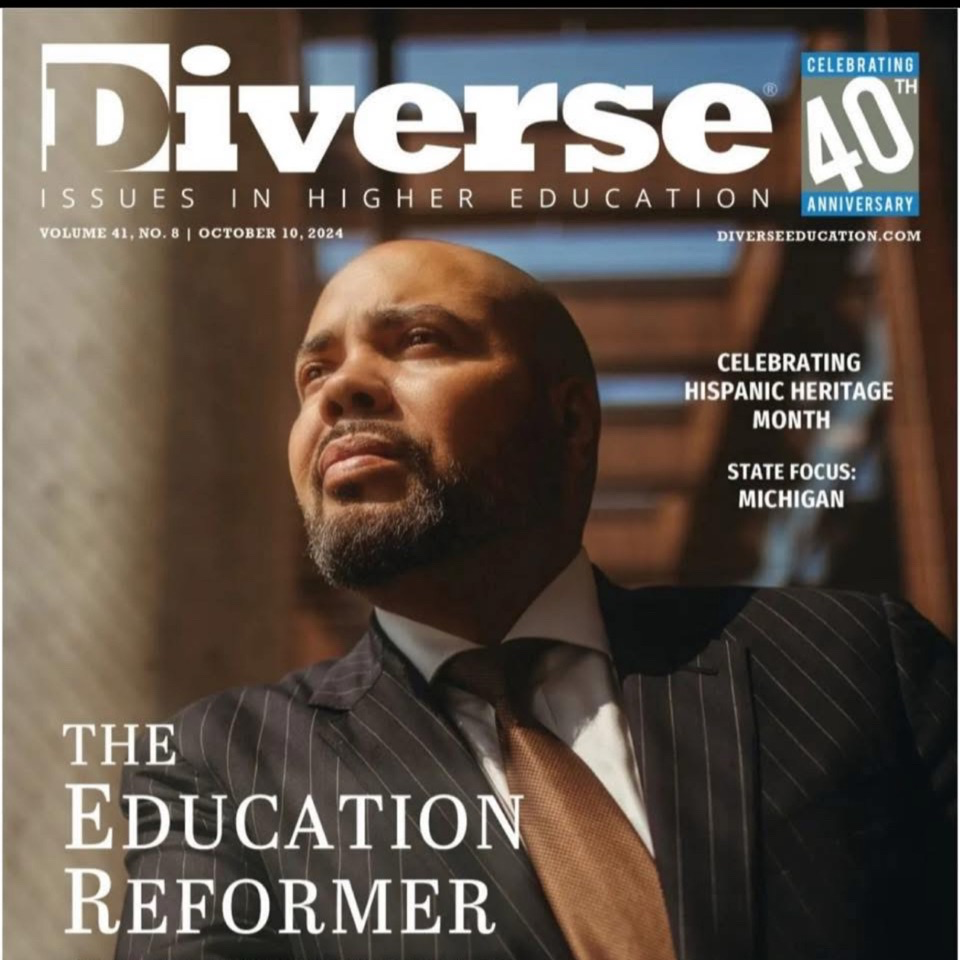
Julian Vasquez Heilig is a nationally recognized public scholar, commentator, and civil rights advocate. He has appeared on major media platforms including Democracy Now!, MSNBC, Al Jazeera, NBC News, PBS, and Univision. His media work reflects a longstanding commitment to making complex policy issues accessible, urgent, and meaningful for the public.





Leave a Reply