Learn how to watch who is being punished, who is being protected, and what financial interests are quietly moving underneath a controversy, and the real story usually starts revealing itself.
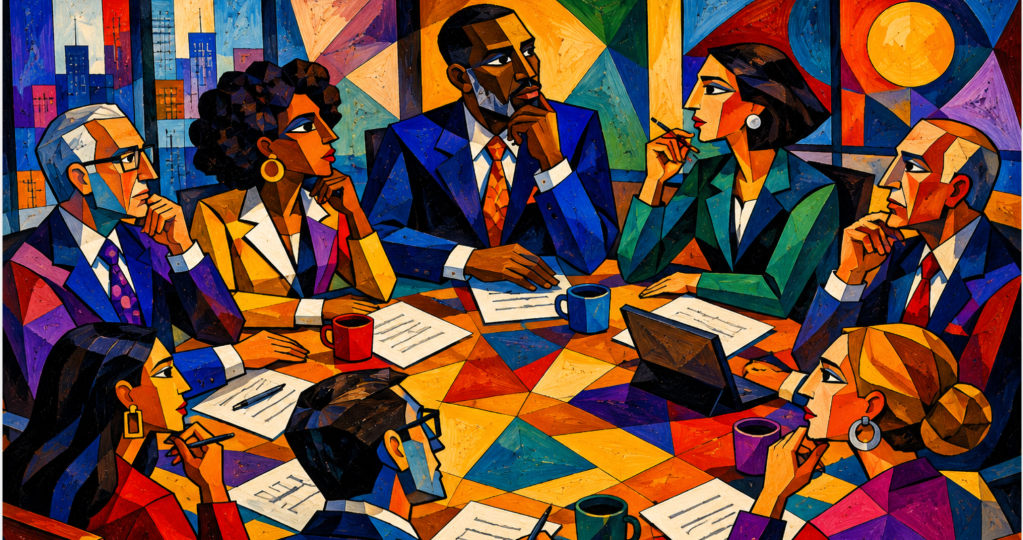
One of the hardest lessons people learn inside powerful institutions is that truth and loyalty are often treated very differently. Most organizations publicly celebrate honesty, transparency, courage, and accountability. They put those words in mission statements, speeches, websites, and leadership retreats. But when truth threatens money, power, reputation, or strategic priorities, many institutions suddenly become far more interested in loyalty than honesty. That is when people quietly begin learning which truths are safe to tell and which truths carry consequences.
This dynamic exists everywhere. It exists inside universities, corporations, nonprofits, media organizations, politics, churches, athletics, and government agencies. Employees quickly learn that organizations usually tolerate disagreement only up to the point where disagreement becomes disruptive to leadership legitimacy, institutional branding, or financial interests. You can criticize small things. You can complain privately. You can offer carefully managed feedback. But once criticism starts threatening power itself, the atmosphere changes quickly. Meetings feel colder. Invitations disappear. Relationships shift. People begin speaking more carefully because they realize truth telling is no longer being rewarded equally.
That is why the question behind this article matters so much beyond one institution or one controversy: will you be punished at work for telling the truth? More and more people across professions are quietly asking themselves that question every day. They are learning to calculate whether honesty is professionally safe. They are learning which conversations are acceptable, which criticisms create consequences, and which truths powerful people would rather remain unspoken. Over time, survival inside institutions often becomes less about competence, creativity, or integrity and more about reading power correctly and staying aligned with it.
Truth Versus Loyalty
Organizations almost always frame loyalty as something positive. Loyalty sounds honorable because loyalty is associated with teamwork, commitment, stability, and shared purpose. In healthy environments, loyalty can absolutely strengthen institutions because trust and cooperation matter. But loyalty becomes dangerous when it starts replacing truth instead of supporting it. Once loyalty to leadership becomes more important than loyalty to honesty, institutions begin rewarding silence more than courage.
That transition rarely happens dramatically. Most loyalty systems emerge quietly during moments of uncertainty, crisis, or major organizational change. Leaders begin emphasizing unity. Public disagreement becomes framed as dysfunction. Independent oversight becomes reframed as negativity. Persistent questioning becomes interpreted as disloyalty rather than responsibility. The institution starts encouraging people to protect the organization’s image instead of confronting the underlying issue creating the controversy itself.
The danger is psychological as much as political. People begin self-censoring long before formal punishment becomes necessary. Employees stop asking whether criticism is correct and start asking whether criticism is safe. Leaders become increasingly insulated from difficult truths because the people most willing to challenge bad decisions either disappear, burn out, self-censor, or are pushed toward the margins. Over time, organizations lose the very thing that once made them healthy: independent thinkers willing to identify problems before they become crises.
History shows this pattern repeatedly. During the McCarthy Era, loyalty oaths were justified as necessary for institutional trust and national security. Public employees and educators were pressured to demonstrate ideological loyalty to maintain professional standing. The result was not stronger democracy. The result was fear, conformity, and intellectual paralysis. The Supreme Court repeatedly warned against this danger because democratic institutions require independent thought to function properly. In West Virginia State Board of Education v. Barnette, the Court argued that authorities cannot prescribe what shall be orthodox in matters of opinion. In Keyishian v. Board of Regents, the Court warned against creating a “pall of orthodoxy” over universities and intellectual life.
Those warnings feel increasingly relevant today.
An Example Happening in Real Time
Let me give you an example happening in real time that helps explain how institutional power actually works in America. What looks publicly like a fight about professionalism, civility, or governance procedures at Michigan State University is increasingly being interpreted by many observers as a fight about power, money, athletics, ideology, and institutional control. Once you understand how institutions frame conflict, you begin realizing the public explanation is often only the surface-level story while underneath is usually a much larger struggle over financial interests, political alignment, strategic priorities, and who controls the future direction of the institution.
The controversy at Michigan State has been framed publicly as a dispute over board dysfunction. Supporters of a revised Board of Trustees Code of Ethics and Conduct argued that the university needed stronger governance rules after years of public conflict and instability. The official explanation was that the university cannot function effectively when elected trustees publicly undermine one another or challenge board decisions after votes occur. Supporters argued the revised policy simply reinforced professionalism, fiduciary responsibility, and institutional unity during an important moment for the university.
But many people increasingly believed the real fight was about something much larger than decorum. They believed the controversy was actually about control over the future commercialization of Michigan State athletics and whether independently elected trustees would meaningfully oversee that transformation or simply align themselves with institutional leadership and powerful financial interests. In recent months, major questions emerged surrounding Spartan Ventures, Spartan Media Ventures, outside investment structures, nondisclosure agreements, media rights, and the future monetization of Michigan State athletics. Trustees Mike Balow, Rema Vassar, and Dennis Denno publicly argued they were being denied access to critical documents connected to a reported $100 million investment structure tied to athletics and media operations.
Their concern was not symbolic. They argued publicly elected trustees cannot fulfill their oversight responsibilities if they are denied information regarding ownership structures, governance arrangements, media rights, financial guarantees, and long-term contractual obligations tied to university athletics. They also questioned why elected officials allegedly needed to sign nondisclosure agreements simply to review documents connected to public university operations. Once that context entered the picture, the revised loyalty provisions began looking very different. Under the new rules, trustees reportedly had to sign a “duty of loyalty” acknowledgment supporting majority board decisions after votes occurred. Trustees who refused could reportedly lose leadership opportunities, legal representation, reimbursements, event access, and other institutional privileges connected to board participation.
The symbolism surrounding the controversy intensified because trustees who most publicly challenged leadership and athletics governance decisions also faced the most visible consequences. Trustees Mike Balow and Rema Vassar reportedly refused to sign the loyalty pledge and were subsequently blocked from attending the Mackinac Policy Conference on behalf of the university. Vassar publicly argued that the policy may conflict with the Michigan Constitution because elected trustees already swear a constitutional oath and should not be required to sign an additional loyalty pledge. That moment changed how many people interpreted the controversy because the issue suddenly looked less like symbolic governance reform and more like a direct struggle over whether constitutional oversight itself was becoming institutionally punishable.
Then today, the controversy took another dramatic turn when Michigan State President Kevin Guskiewicz announced he was leaving to become president of Clemson University after only a short tenure of two years in East Lansing. Publicly, Guskiewicz framed the decision around ongoing board conflict and institutional instability. But privately, the interpretations surrounding his presidency are already becoming far more complicated and politically charged. In a personal communication, one MSU trustee commented that he had also deconstructed DEI initiatives at Michigan State without an explicit public mandate and had resisted efforts behind the scenes to restore them despite repeated requests from students, faculty, staff, and especially the Black Student Alliance. That perspective reflects how many institutional battles today are no longer merely about governance or management style. They are increasingly viewed as ideological struggles over who belongs, whose voices matter, and whether universities will quietly dismantle infrastructure while publicly avoiding accountability for those decisions.
That is why controversies like Michigan State matter far beyond one university or one board dispute. At some point, these fights likely move into courts, legislatures, accreditation battles, donor conflicts, and public legitimacy crises where constitutional authority, fiduciary obligations, oversight access, DEI policy, athletics commercialization, and the limits of institutional loyalty requirements all collide together. Regardless of whether people agree with every tactic or position taken by dissenting trustees, independent oversight only matters if elected officials and community members are willing to ask difficult questions even when doing so becomes politically, professionally, or personally costly.
Why This Matters to Everyone
The reason this story resonates so strongly is because people recognize the pattern far beyond higher education. Many employees already feel pressure to remain publicly aligned even when they privately disagree with decisions being made around them. They understand the subtle fear that develops when honesty starts carrying reputational consequences. They know how quickly institutions can move from celebrating “transparency” to punishing uncomfortable truths that threaten leadership, branding, or financial interests.
The deeper danger is not simply punishment itself. The deeper danger is what happens psychologically when enough people begin fearing punishment. Eventually people stop speaking honestly at all. Organizations become increasingly insulated from reality because the people most willing to tell difficult truths disappear or remain silent. Leaders hear less criticism. Problems remain hidden longer. Groupthink expands. Fear replaces creativity, courage, accountability, and innovation.
Still, history also teaches something hopeful and important. Every major democratic advance in American life required people willing to risk exclusion, criticism, professional retaliation, or punishment because they refused to quietly conform. The people we now celebrate as courageous truth tellers were often treated in their own moment as disruptive, dangerous, disloyal, or threatening to institutional stability. Democracy at its best is supposed to protect that spirit rather than suppress it because institutions only improve when people inside them have the courage to question decisions, challenge power, and insist that accountability matters more than comfort.
In the end, the most important question raised by controversies like Michigan State is not simply whether loyalty matters. Loyalty will always matter inside institutions. The deeper question is whether loyalty to truth still matters more than loyalty to power. Because once organizations begin punishing honesty more aggressively than incompetence, decline becomes almost impossible to stop, and the future ultimately belongs to the people courageous enough to keep telling the truth anyway.
Please share.
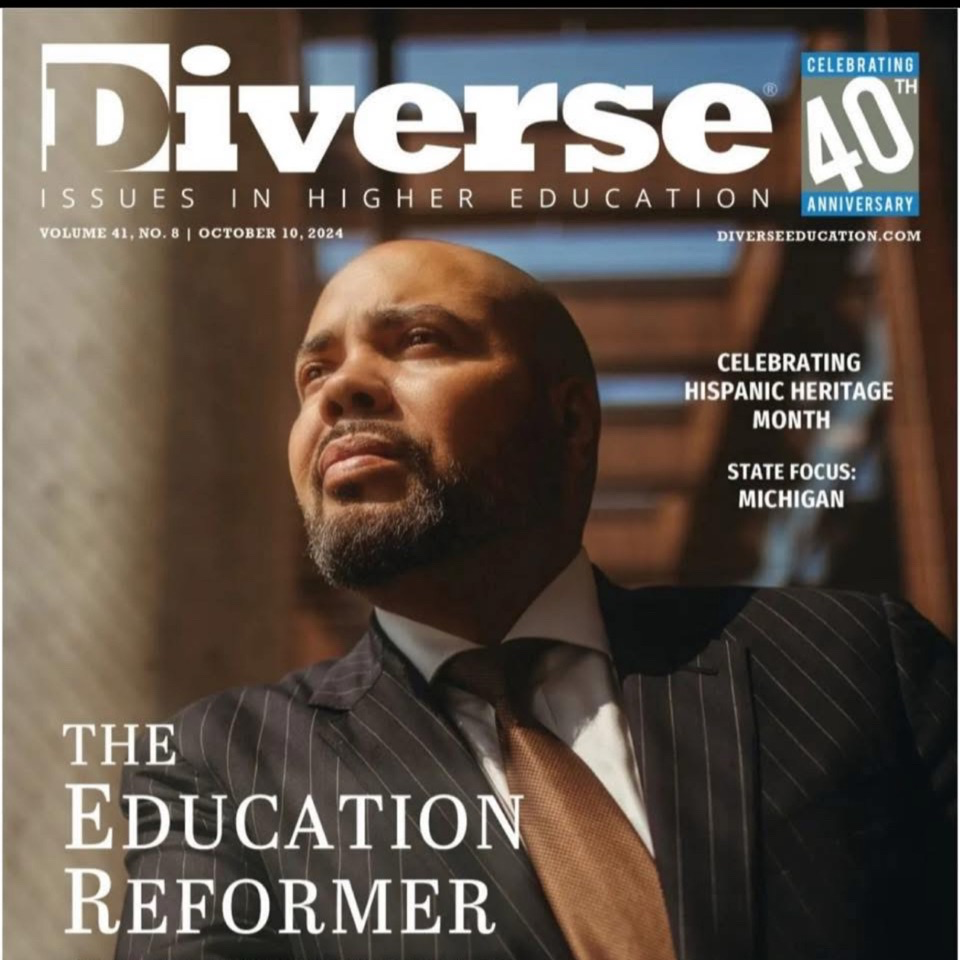
Julian Vasquez Heilig is a nationally recognized public scholar, commentator, and civil rights advocate. He has appeared on major media platforms including Democracy Now!, MSNBC, Al Jazeera, NBC News, PBS, and Univision. His media work reflects a longstanding commitment to making complex policy and leadership issues accessible, urgent, and meaningful.




Leave a comment