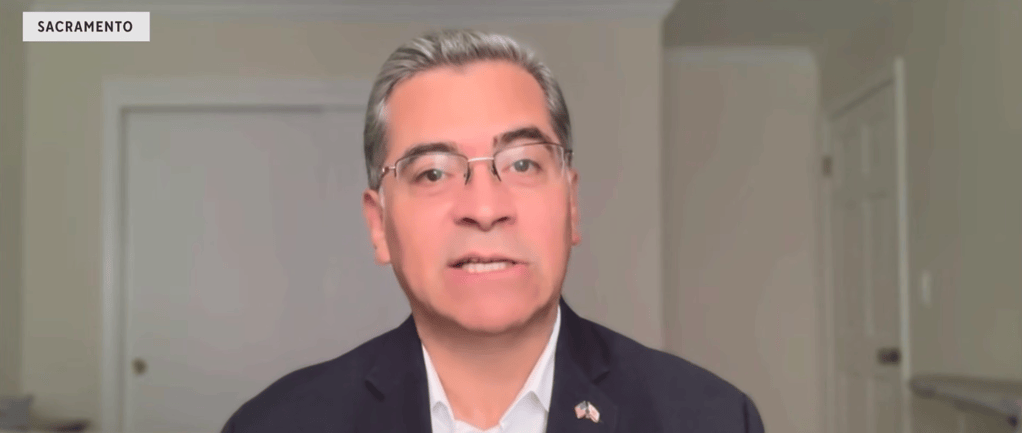
When the Trump administration issued its February 2025 Dear Colleague letter attacking diversity, equity, and inclusion in education, I responded nationally on Democracy Now! I warned that higher education had not faced political interference this serious since McCarthyism and asked whether universities would “surrender or resist.”
That Dear Colleague letter went down in flames. Federal courts blocked the directive, finding serious constitutional and procedural problems. In August 2025, a federal court vacated both the letter and its associated certification requirement. The administration eventually abandoned its appeal. Now the Trump administration is trying again.
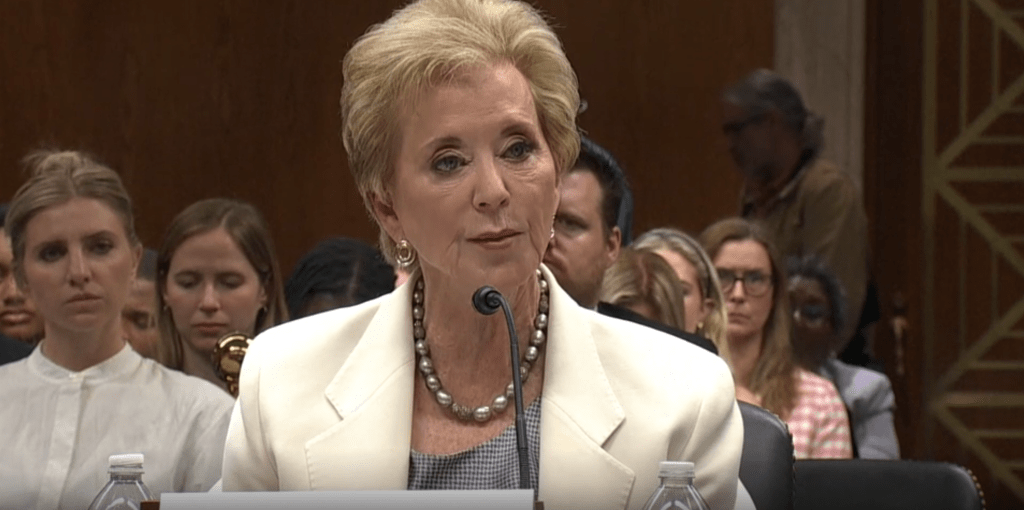
On August 3, 2026, Secretary of Education Linda McMahon issued “A National Call to Action to University Presidents and Governing Boards.” It calls on every college and university to publish a statement by the end of 2026 explaining how it will address admissions, faculty hiring, academic viewpoints, grading, artificial intelligence, foreign influence, research, affordability, and national priorities.
This letter is more carefully written than its failed Dear Colleague predecessor. It does not explicitly threaten universities with the loss of federal funding. It presents itself as an invitation to restore public trust and even acknowledges that there is “no single template for academic excellence.”
But universities should recognize the pattern. When the courts stop one attempt at political control, the administration repackages the same objective and returns through another channel. Expect more legal battles. If the administration tries to transform this ostensibly voluntary letter into funding conditions, investigations, accreditation pressure, or binding institutional obligations, expect it to lose again.
Red States Will Likely Embrace the Letter
In Republican-controlled states, many governing boards and university presidents will likely treat McMahon’s letter as federal permission to intensify attacks on faculty work, tenure, diversity programs, student expression, and academic freedom.
The letter gives presidents and boards a ready-made list of questions. Are academic departments sufficiently “pluralistic”? Are faculty hiring and evaluation practices considering the “right” perspectives? Is research sufficiently aligned with the “national interest”? Are universities placing American priorities ahead of global commitments? These questions sound reasonable until politicians begin supplying the answers.
A board, president, provost, or dean that wants to target a professor, academic department, research center, or student organization can now point to the secretary of education and claim that Washington has demanded action. The letter could become a pretext for investigations, curriculum reviews, program closures, hiring interference, and ideological screening. It does not create those powers. But it may embolden political officials to exercise powers they do not legally possess.
In blue states, many university presidents and boards will probably roll their eyes. They will recognize the document as political theater written by officials with limited understanding of university teaching, research, and shared governance. But they cannot safely dismiss it. The Trump administration has already demonstrated its willingness to use federal funding to reward allies and punish perceived opponents.
Political Retaliation Is Not Hypothetical
The administration acknowledged in court that it canceled approximately $7.6 billion in grants based on whether the affected states voted for Donald Trump in 2024. The canceled projects were concentrated in 16 states that supported Kamala Harris. A federal judge concluded that the politically selective cancellations violated constitutional equal-protection requirements. The Associated Press reported on the ruling.
That episode should concern every university president. If an administration will cancel billions of dollars in congressionally authorized grants based on how a state voted, universities must consider whether this new letter identifies the new political tests that could later determine which institutions receive grants, face investigations, or become targets of federal enforcement.
This is more of the same. Political loyalty is being substituted for neutral governance for all. Red-state institutions may be rewarded for adopting the administration’s agenda. Blue-state institutions may be punished for resisting it. In both cases, federal power becomes an illegal tool for encouraging political conformity.
If We Are Discussing Qualifications, Meet Exhibit A
The author of the letter is Linda Marie McMahon, the 13th United States secretary of education. Her principal professional experience is as a professional wrestling executive who helped lead World Wrestling Entertainment. McMahon previously administered the Small Business Administration, briefly served on the Connecticut State Board of Education, and served as a university trustee. But she has never been a teacher, professor, principal, superintendent, education researcher, college president, provost, or academic dean. Yet her letter lectures the nation’s universities about faculty hiring, research integrity, grading, curriculum, admissions, and intellectual pluralism. If the Trump administration wants a national conversation about merit and qualifications, Exhibit A is sitting at the top of the letter.
Universities certainly face real challenges. Declining state and federal support has contributed to rising tuition at many institutions, while student debt remains burdensome for too many families. Graduation rates at some colleges and universities must improve. Viewpoint diversity also deserves serious discussion, especially when federal and state governments are actively targeting particular perspectives. Universities should continue to operate transparently, demonstrate their outcomes, and remain accountable for their stewardship of public resources. But accountability is not political control, and criticism is not expertise.
The Vought Strategy: Rule by Fiat
This letter reflects the governing philosophy associated with Office of Management and Budget Director Russell Vought and other architects of the administration’s effort to expand presidential power in Project 2025.
The strategy is clear: use executive orders, agency letters, investigations, funding interruptions, and regulatory threats to try to accomplish what the administration has not persuaded Congress to enact. That is rule by fiat. Federal agencies may enforce laws passed by Congress. They may issue regulations within their delegated authority, following procedures required by law. They may advocate for policy changes.
They cannot create new legal obligations through letters, retaliate against political opponents, or use federal dollars to coerce universities into surrendering constitutionally protected independence. The Supreme Court recognized in Keyishian v. Board of Regents that academic freedom is “a special concern of the First Amendment.” Government may prohibit unlawful discrimination, protect students from harassment, and demand an honest accounting of public funds. It may not impose an official political and religious ideology on scholarship and teaching.
Conclusion: Leadership Now Requires Backbone
As a dean and provost for six years, I understood that my first responsibility was to the academic mission. I cherished academic freedom and respected shared governance even when doing so carried a political cost.
At one point, I was asked to close the Gender Studies program at Western Michigan University. The Faculty Senate had reviewed the matter and recommended against closure. I refused to disregard that recommendation simply because closing the program might have been politically convenient. I chose to respect faculty governance and defend the academic mission. That decision came with a heavy political cost for me. Yet leadership is not proven when protecting academic freedom is easy or popular. Leadership is revealed when maintaining your principles threatens your relationships with powerful people.
I tried to be a leader who stood up for everyone. Academic leaders cannot defend only the faculty members whose work resonates with their views. They cannot protect only the students whose ideas match their own. Presidents, deans, and provosts must defend the integrity of the academic community even when outside forces demand a different result.
This political moment requires university leaders with backbone. We need deans who will defend their faculty. We need provosts who will honor shared governance. We need presidents and governing boards who will resist political demands that threaten academic freedom. Leadership sometimes means saying no. It means refusing to sacrifice a program or a group of scholars to gain political approval. It means accepting a personal cost to protect the institution you were entrusted to lead.
The Trump administration’s previous Dear Colleague letter was struck down in court because executive power has constitutional limits. If this new letter becomes the basis for coercion, retaliation, or ideological enforcement, it should meet the same fate. University presidents and governing boards should not surrender preemptively. The administration may attempt to rule by letter, but the Constitution still rules the administration.
Please share.
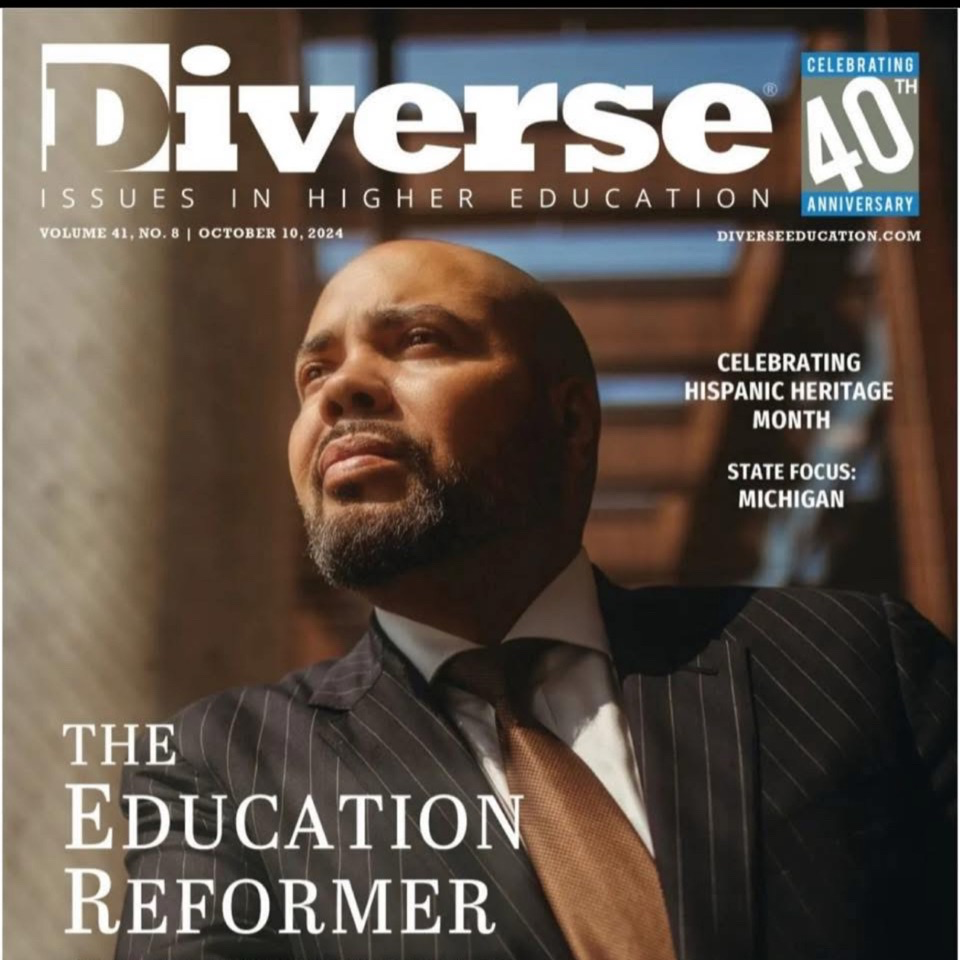
Julian Vasquez Heilig is a nationally recognized public scholar, commentator, and civil rights advocate. He has appeared on major national platforms including Democracy Now!, MSNBC, Al Jazeera, NBC News, PBS, and Univision. His media work reflects a longstanding commitment to making complex policy issues accessible, urgent, and meaningful for the public.




Leave a Reply