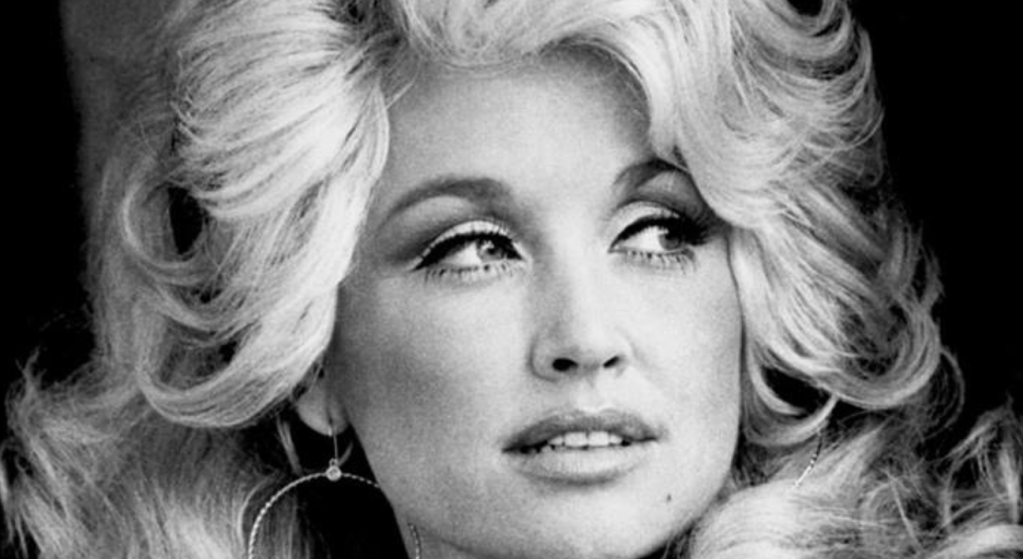
When Dolly Parton died, the world did not begin by counting her 10 Grammys or 55 nominations. All the remembrances began with the lives she changed.
People remembered the children who received free books because her father never learned to read. They remembered the jobs she created in the mountains that raised her and the medical research she supported during a pandemic. They remembered her generosity, humor, faith, music, and refusal to become disconnected from the people and place that made her.
Dolly’s life mattered not only because she possessed extraordinary talent, but because of what she chose to do with that talent. She became wealthy, famous, and internationally beloved, but those achievements were never the final destination of her life. She converted success into opportunity for other people.
That is legacy. It is not simply what we accumulate or how many people remember our names. It is what we choose to make possible with what we have been given. Dolly’s death raises a question larger than the loss of one remarkable person: In the end, what will people remember that we chose?
The Only Survey Question That Matters
I do not know about you, but I am tired of being asked to complete a survey for everything. Buy a cup of coffee and someone wants to know whether the experience exceeded expectations. Stay at a hotel and a review request arrives before you have even unpacked at home. Call customer service and, before anyone solves your problem, a recorded voice asks whether you will remain on the line to evaluate the experience. We live in a world that constantly asks for our opinions. Most of those answers are collected, converted into data, placed in a colorful dashboard, and quickly forgotten. While teaching this summer, I even unleashed my students on their peers with surveys in my EDLD 6300 Data-Informed Decision-Making, Research, and Evaluation course.
Nevertheless, there is one life survey question I believe is worth answering because it reaches beneath our preferences and into our purpose: “There is nothing better in the world than __________.” Fill in the blank, but do not answer too quickly. What makes your heart beat faster, gets you out of bed when the day ahead looks difficult, or centers you after disappointment? What makes one song hit harder than another because it reaches a feeling you could not explain on your own? The answer may be the thing that makes you dance when you are alone or the work that causes you to lose track of time.
Lewis Carroll captured the danger of moving through life without answering that question in Alice’s Adventures in Wonderland. Alice asks the Cheshire Cat which way she should go, and the cat tells her that the answer depends on where she wants to get. When Alice says she does not much care where, the cat responds that it does not matter which way she goes. A great many people are moving quickly through life without deciding where they actually want to go. We chase promotions, recognition, wealth, and influence because they resemble progress. But movement is not the same as purpose. If we have not decided what belongs in the blank, almost any road can persuade us that it is the right one.
The Answers We Inherit
Some of us do not consciously choose what belongs in the blank. We inherit an answer from the world around us through advertising, family expectations, education, professional culture, and the people we are taught to admire on social media. We are often convinced that there is nothing better than material success. Wealth becomes evidence that we made the right choices. We begin measuring our lives by the vehicle in the driveway, the square footage of the house, the title beneath our name, or the prestige of the ZIP code. These symbols begin to feel like proof that we have arrived.
I understand their attraction. I can enjoy a beautiful vehicle and appreciate a comfortable home. I have also spent much of my life in professional environments at the University of Michigan, Stanford University, the University of Texas at Austin and more… where achievement is the language everyone speaks. But a career eventually ends. The world moves forward, and someone else occupies your chair. Another person is introduced with the role that once followed your name, and the daily challenges find a new direction. A recognition that felt enormous on the day it arrived eventually becomes another line on a curriculum vitae or retirement announcement. Even a new vehicle simply becomes the car you use to buy groceries while wishing it were cleaner because you keep placing your bottle and paper recycling on the passenger side making a big mess, which is a true story. What once appeared capable of proving that we had made it becomes part of the ordinary background of life.
Dolly Knew What Belonged in the Blank
Dolly Parton’s image sparkled. Her clothes shined, and her hair seemed to reach heaven before the rest of her did. She earned fame, money, awards, and applause on a scale few people will ever experience. Yet the glitter was never the clearest measure of her life. Beneath the rhinestones was a remarkably consistent understanding of who she was, where she came from, and what she owed to other people. She did not reject success, but she refused to let success become only about her.
Dolly grew up as one of twelve children in a one-room cabin in the mountains of East Tennessee. She did not erase that beginning after becoming famous. She carried it with her and invested in the region that raised her. Dollywood and its related businesses created jobs and economic opportunities for thousands of people. She turned personal success into a structure that allowed other families in her community to build lives of their own. Her choice demonstrates that returning something to the world that formed us can be more meaningful than escaping it.
Her most powerful example may be the Imagination Library. Dolly’s father never learned to read or write, so she created the program in his honor. What began in her home county in 1995 grew into an international effort that provided more than 300 million free books to children from birth through age five. She could have treated her father’s inability to read as a painful piece of family history that should remain private. Instead, she transformed that wound into a doorway for millions of children. Something her family had been denied became something she was determined to give away. Fame became attention she could redirect, her platform became a bridge between what she had achieved and what other people still needed. That is the difference between collecting success and creating a legacy.
Two Legacies: One Demands Attention, the Other Deserves It
Donald Trump and Dolly Parton represent two radically different approaches to legacy. Trump appears to believe permanence can be manufactured by placing his name and face on airports, money, the Kennedy Center, aircraft carriers, cryptocurrency, and anything else large and important enough to display it. But a name installed through gross political power can be removed by the next vote, executive order, or person hungry for recognition. His popularity has predictably fallen both times he has taken office, as the campaign salesman becomes the governing president and performance exposes what an army of consultants, millions of dollars, and carefully crafted branding can conceal only temporarily. Once the election sales pitch wears off, his unending pursuit of wealth, fame, praise, and personal recognition becomes increasingly difficult to disguise. The more aggressively Trump tries to force his name into history, the more he reveals the insecurity behind the effort. He wants people to remember his name, but daily gives the public reasons to remember it negatively.
Dolly Parton chose the opposite path. She understood fame, wealth, image, and branding as well as anyone, but she converted them into opportunities for people beyond herself. Her legacy lives in the millions of books placed in children’s hands, the jobs created in East Tennessee, and the medical research funded during the COVID-19 pandemic. Those contributions will endure whether her name appears on a building or not because they have already taken root in other people’s lives. Trump tries to secure permanence by attaching his name to public property; Dolly secured it by attaching her resources to human needs. He builds monuments to himself, while she built possibilities for others. One approach demands that the world keep looking at the person; the other helps people see a better future for themselves.
That contrast reveals what legacy actually is. Real legacy cannot be erased from a sign because it does not live on buildings, marquees, or the sides of ships. It lives in the hearts of people, families, and communities whose possibilities expanded because we were here. Families inherit more than property or money; they inherit stories about what we valued, how we treated others, and what we did when helping someone carried a cost. The evidence of purpose is not what we name after ourselves, but what continues to serve others after we are gone. We can spend our lives trying to make our names impossible to overlook, or we can create something meaningful enough that our names no longer need to be the point.
Choose the Right Chalice
Near the end of Indiana Jones and the Last Crusade, the characters stand before a collection of cups that might be the Holy Grail. Some are covered in gold and jewels, while others appear plain. The Nazi collaborator chooses the most elaborate chalice because he assumes that something sacred must also look expensive. He drinks from it and immediately begins to age as his body decays in horrifying fashion. Within moments, he is gone. The Grail Knight who has protected the collection for centuries watches and delivers a simple judgment: “He chose poorly.”
Indiana Jones studies the remaining cups and selects a plain wooden chalice. The pressure is immense because his father has been shot, and the right choice will save his life and the wrong choice would do the opposite. Indiana observes that a modest cup looks like something a carpenter might have used. No gold or ornament announces its importance. He chooses it, takes it to his father, and his father survives. Indiana understands that the sacred choice may not be the one that shines most brightly. The most valuable cup is the one capable of carrying life to someone else.
Life places many chalices before us. Some sparkle with titles, wealth, prestige, influence, comfort, or public recognition. The wrong chalice may not look dangerous because it may simply be the answer everyone else taught us to desire. We can spend years reaching for it before discovering that it was never capable of holding what our hearts needed.
Conclusion
Dolly Parton’s life offers us more than a reason to mourn; it offers us permission to choose again while we still can. We may never write a song heard around the world, build an international business, or place 300 million books in children’s hands, but each of us has something we can use to make another life larger. Legacy does not begin when our name appears on a building or when someone writes our obituary. It begins today in whom we encourage, what we give, what we build, and whether the people we claim to cherish receive the best of us or merely what remains. One day, a photograph already sitting in someone’s phone may become the image used to remember us, but the meaning attached to that photograph is still being written. We still have time to return to repair what’s neglected in our community, and choose a purpose worthy of the life we have been given. Dolly Parton chose a cup large enough to carry life to millions of people, and now the chalices are before us. May we choose just as wisely.
Please share.
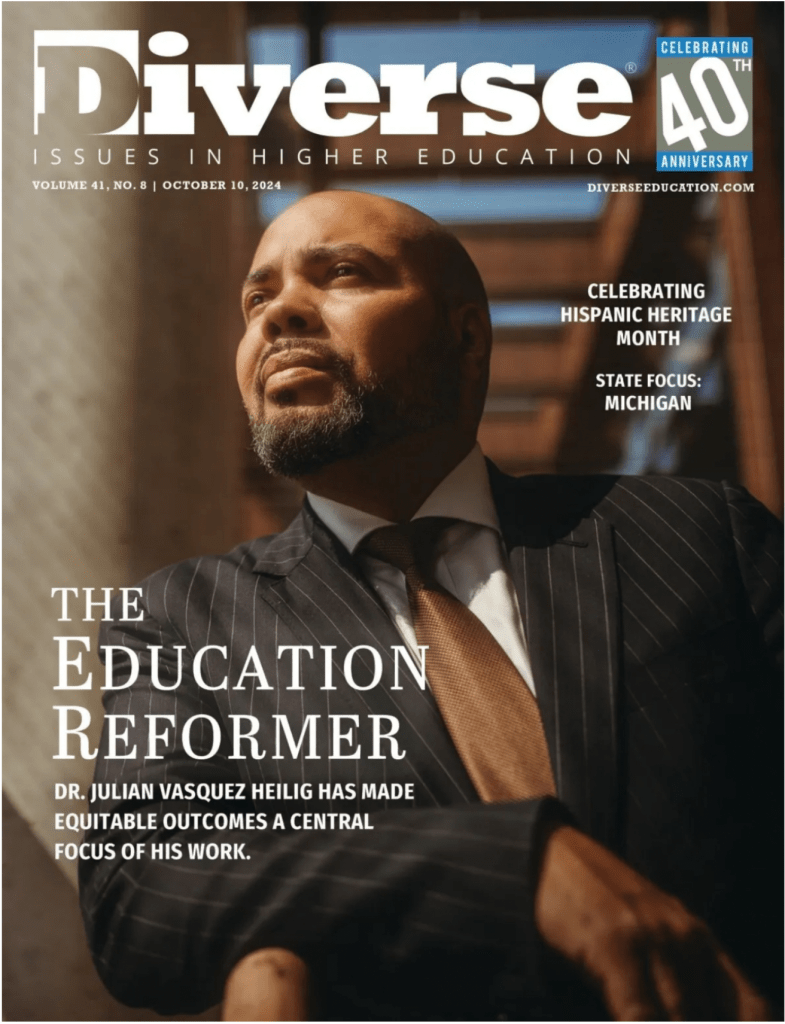
Julian Vasquez Heilig is a nationally recognized public scholar, commentator, and civil rights advocate whose work has appeared on Democracy Now!, MSNBC, Al Jazeera, NBC News, PBS, and Univision. He brings clarity, urgency, and public relevance to complex issues in education, policy, and leadership. For consulting, speaking opportunities, and collaborations, contact jvh@alumni.stanford.edu.




Leave a Reply