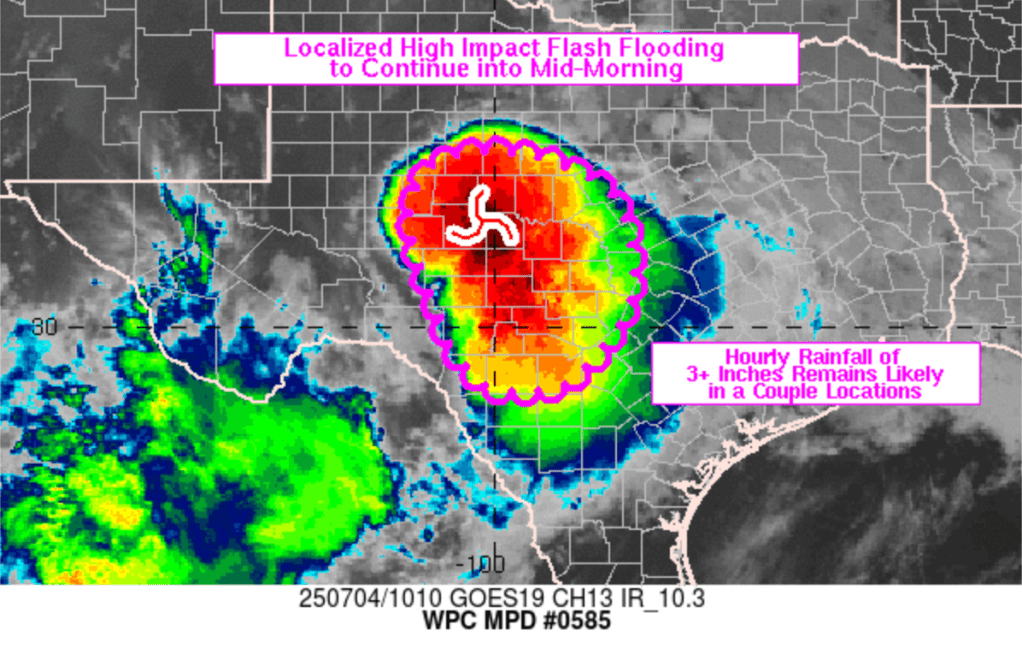
When the floodwaters surged through Kerr County, Texas, they didn’t just wash away homes, roads, and vehicles. They swept away years of warnings, missed opportunities, and the dangerous illusion that preparedness can wait.
This wasn’t a surprise. It was a preventable tragedy.
Officials in Kerr County had studied the need for a flood warning system—in 2015, 2016, 2018, 2020, and again in 2023—but a functioning system was never built. And then came the rains.
A Timeline of Avoidance
Let’s be honest. There are disasters that no one sees coming. And then there are the ones we see, study, model, and still ignore. In Kerr County’s case, the idea of a modern flood warning system had been on the table for years:
2015–2016: County leaders and the Upper Guadalupe River Authority (UGRA) commissioned a flood risk and warning system study.
2018: Kerr County and UGRA applied for a $1 million FEMA Hazard Mitigation Grant. The proposal included rain and river gauges, public alert infrastructure, and local sirens. The bid was denied.
2020: A second grant application was filed—this time incorporating community vulnerability data. It also failed.
2023: A third attempt was made, updated with recent flooding trends. It too was unsuccessful.
Despite urgent needs, each effort fell short—blocked by funding barriers, political resistance, and lack of follow-through. No local bond was passed. No backup budget was allocated. Judge Rob Kelly admitted, “the public reeled at the cost.”
And so, year after year, the project was shelved. Until it was too late.
The Illusion of “Someone Else Will Pay”
Kerr County’s experience is not unique. Across Texas and the rest of the country, communities hope that external grants will fund local resilience. But when the money doesn’t come—and no contingency plan exists—hope turns into hazard. There’s no shame in seeking federal aid. But there is danger in relying on it exclusively, especially in a political era when disaster aid itself is being politicized and weaponized. Kerr County learned in awful and gut-wrenching way what happens when local systems aren’t built. But other states have now discovered what happens when the federal government deliberately refuses to help.
In North Carolina, after Hurricane Helene in 2024, the state received 100% federal reimbursement for cleanup and emergency measures—standard practice for severe disasters. But when the state requested a routine extension of that full coverage in April 2025, FEMA under Trump denied the request, citing no specific justification. The federal cost-share dropped costing the state hundreds of millions in unplanned expenses—money that would have gone to local governments, small businesses, and infrastructure. The pullback of a helping han is no longer hypothetical. This is a pattern—where federal disaster aid is no longer based solely on need, but on political compliance.
Dismantling the National Safety Net
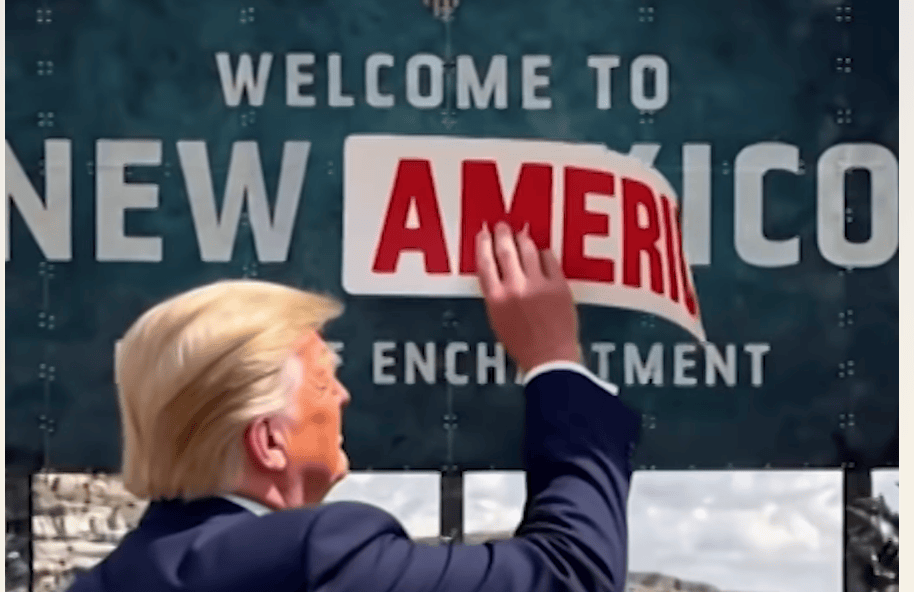
This denial is a part of a larger assault on the emergency infrastructure that once stood as a guarantee of help. Under Trump’s Department of Government Efficiency (DOGE), NOAA and the National Weather Service are being gutted: Over 800 staff were fired in early 2025; more cuts are proposed in 2026. San Antonio’s NWS office—which covers Kerr County—has multiple unfilled critical roles, including its Warning Coordination Meteorologist, science officer, and observing program lead. More than 50 NWS offices nationwide now face vacancy rates above 20%, putting balloon launches and storm forecasts at risk.
Meanwhile, the Project 2025 blueprint calls for FEMA to be dismantled entirely, with disaster relief handled through governors and executive office discretion. The Trump Administration has said this will happen after this hurricane season. In this future, communities won’t be protected. They’ll simply hope for disaster relief patronage.
We Must Not Accept Inaction
Kerr County didn’t act because it feared the cost. But the real cost came anyway. The storm didn’t wait for a grant cycle. The flood didn’t care about taxes or budget concerns. And FEMA’s shifting standards now show that help isn’t guaranteed, even for those who do ask.
We must learn from this—not to assign blame, but to shift course. Because we must not accept inaction in the face of known threats an increasing risk due to global warming (just ask the insurance companies). We must not accept “maybe next year” as a strategy. We must not accept the illusion that public safety is optional. And we must never again believe that a warning system is too expensive to build in an area so prone to disaster—when the price of not building one is loss, trauma, and death.
What Must Be Done — Right Now
Defend FEMA, NOAA, and the NWS from opportunistic dismantling. These are lifelines, not luxuries. Their independence and capacity must be preserved. Invest locally in warning systems, infrastructure, and emergency preparedness—even if grants fall through. Reject disaster governance based on loyalty and compliance. Aid must remain rooted in equity and need. Educate the public: preparedness is not a cost—it’s a form of justice. Reframe readiness as a moral obligation. Because life has no price tag.
The Storm Is Already Here
I lived through Tropical Storm Allison in Houston, and I’ll never forget the terror it unleashed. It was June, several decades ago, when the storm shut down the entire city. The rain fell relentlessly—more than 40 inches in some areas—flooding streets, homes, and highways overnight. Many of my friends lost everything: homes, cars, cherished memories, all swallowed by the rising waters. The chaos, grief, and helplessness left a permanent mark on all of us who lived through it. In the years since, Houston has taken serious steps to confront the vulnerabilities that once brought the city to its knees.
When floodwaters surged through Kerr County, Texas, it was heartbreakingly familiar—yet tragically avoidable. The flood danger in Kerr County was real. So is FEMA’s denial of full disaster aid in North Carolina. And so is the steady dismantling of NOAA, the National Weather Service, and every federal safeguard communities count on when disaster strikes. But we still have a choice. We can prepare. We can protect. We can push back.
Because when the storm comes, people shouldn’t have to wonder if help will arrive. They shouldn’t have to beg. They deserve safety. They deserve a government that doesn’t just show up in the aftermath with thoughts and prayers—but takes action before the waters rise.



 Cloaking Inequity
Leave a comment