Is there anything to be learned from what is about to happen in California?
While the nation struggles to answer what comes next for public education, California has a chance to do something extraordinary: stop waiting for the future and start creating it.
Several years ago, while serving as dean of the University of Kentucky College of Education, a community leader from Louisville encouraged me to apply to become Kentucky’s Commissioner of Education. The timing was inconvenient, and I was not looking for another opportunity. But I remembered the biblical story of Jonah, who initially ran from an unexpected calling. I decided I didn’t want to be Jonah. I stepped forward and became a finalist.
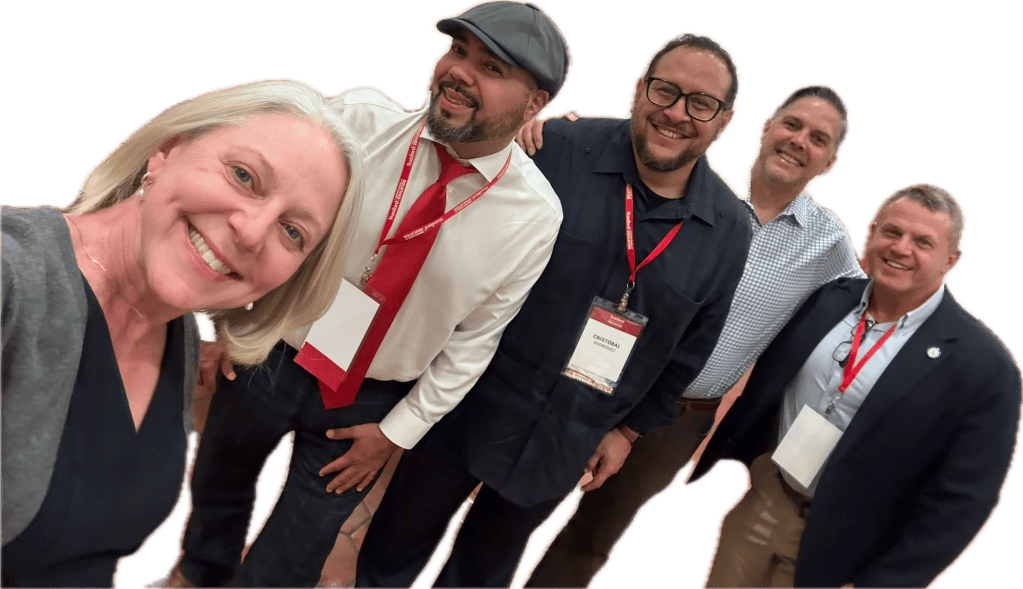
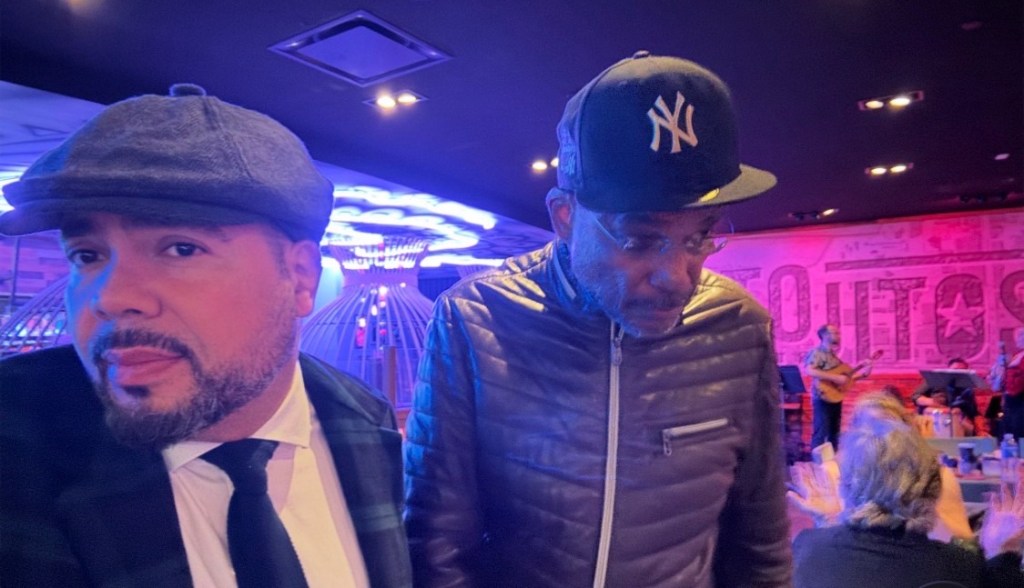
The other finalist, Jason Glass, ultimately became commissioner. Rather than becoming rivals, we became close colleagues and friends. Just last weekend, we reconnected at Stanford’s Homecoming and Graduate School of Education Alumni Awards Ceremony. It reminded me that leadership is not simply about the results we deliver, but the relationships we build and the opportunities we create for others.
That lesson feels especially relevant as California considers its first education commissioner. Nearly six million students have a stake in this decision. With artificial intelligence transforming learning, declining enrollment reshaping school districts, and families confronting economic uncertainty, California has an extraordinary opportunity to lead the nation into education’s next chapter.
The People Who Helped Shape My Vision
Stanford University has been central to my understanding of educational leadership and policy. I spent five years there earning graduate degrees, studying education policy, and learning from people who helped reshape how America thinks about opportunity.
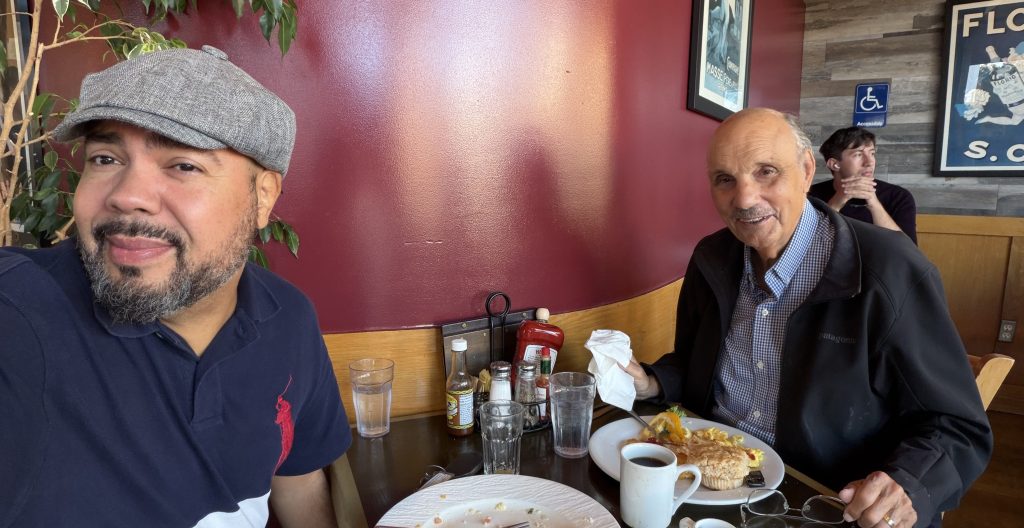
Linda Darling-Hammond was my Stanford advisor. We spoke by phone recently about California’s new commissioner role. Michael Kirst has been a mentor and colleague for more than 25 years. Last week, we shared breakfast in Palo Alto, where our conversation also turned to the commissionership, continuing a dialogue about California education that began when I was a graduate student. Both conversations were private, but they reinforced how deeply these relationships have shaped my thinking about California’s educational future.
Their recent comments to EdSource offer important guidance. Linda emphasized better coordination across education agencies and fewer compliance burdens. Mike called for a broader education strategy, noting challenges in mathematics, teacher preparation, and declining enrollment. He observed that California school districts complete 103 state-required reports annually. Imagine if even a fraction of that energy were redirected toward helping children learn.
Yolie Flores of Families in Schools told EdSource that California needs a leader who is “visionary, bold and courageous.” I would add one more quality: relational. Great ideas accomplish little without the trust needed to implement them.
What Experience Has Taught Me
My journey in education has taken me from elementary classrooms in East Palo Alto to Stanford, Sacramento State, the University of Kentucky, and Western Michigan University. Along the way, I’ve learned that transforming education is ultimately about people, relationships, and the courage to challenge what isn’t working.
In East Palo Alto, where I taught elementary students and English learners, I learned that families and educators understand their children’s needs long before those concerns appear in testing reports. That lesson shaped my research on community-based accountability and my advocacy for multiple measures of school success. The principles my colleagues and I developed more than a decade ago helped inform California’s Local Control and Accountability Plans (LCAP). But I also learned that inviting families to meetings is not the same as sharing power. True community engagement means giving families meaningful influence over decisions that shape their children’s futures.
At Sacramento State, where I directed the doctorate in educational leadership, I learned that even California’s most promising reforms succeed or fail through the people responsible for putting them into practice. My membership and experiences with the NEA and the AFT reinforced a lesson I have carried throughout my career: lasting reform happens with educators, not to them.
As dean at the University of Kentucky, we doubled applications to our teacher education program and diversified the educator pipeline. As provost at Western Michigan University, we connected fragmented student support systems, achieved record first-year retention, and made progress toward closing graduation rate gaps. Those experiences taught me that ambitious goals become achievable when people work across institutional boundaries, challenge established practices, and hold themselves accountable for rapid results.
Perhaps the most important lesson of my journey is that meaningful change rarely begins with a new organizational chart or a directive from the top. It begins when people who see the world differently learn to trust one another enough to imagine something better and work together to make it real.
These lessons have shaped how I think about leadership, innovation, and the future of public education. They also color how I see the extraordinary opportunity now before California. The question is no longer simply how we improve the education system we inherited, but how we imagine and build something better for the generations that will inherit our decisions.
California Can Show America What Comes Next
In my leadership and policy courses, I often distinguish management from leadership. Managers keep the trains running. They set budgets, oversee personnel, and maintain operations. Their work is indispensable. But people with leadership talent ask different questions: Where are the trains going? Who has been left at the station? And what happens when the tracks lead somewhere we no longer want to go?
Management keeps the trains running. Leadership changes the destination and brings everyone aboard. California needs someone who can do both.
Imagine a state where every child has access to both expert educators and the extraordinary possibilities of new technologies. Where environmentally sustainable AI helps a student in a rural community receives advanced mathematics tutoring, multilingual learners benefit from personalized instruction in their home languages, and teachers spend less time on paperwork and more time doing what they do best: inspiring, mentoring, and teaching.
Imagine families helping shape education policy rather than being consulted after decisions are made. Imagine early childhood education, K–12 schools, universities, and workforce development working together so that opportunity doesn’t depend on a child’s ZIP code or family income.
This is not a future where technology replaces teachers. It is a future where technology amplifies the expertise of great educators, making exceptional learning opportunities available to every child. California already has the research institutions, technological innovation, economic resources, and community leadership to make this vision possible. What it needs now is the imagination and collective will to bring those strengths together around a shared purpose: making the best education imaginable available to every child, not just those fortunate enough to afford it.
My experience as statewide Education Chair of the California Hawaii NAACP taught me that opportunity is not created by policy alone. It grows when educators, families, unions, communities, researchers, business, and public leaders work together, even when they disagree.
The Future Is Already Waiting
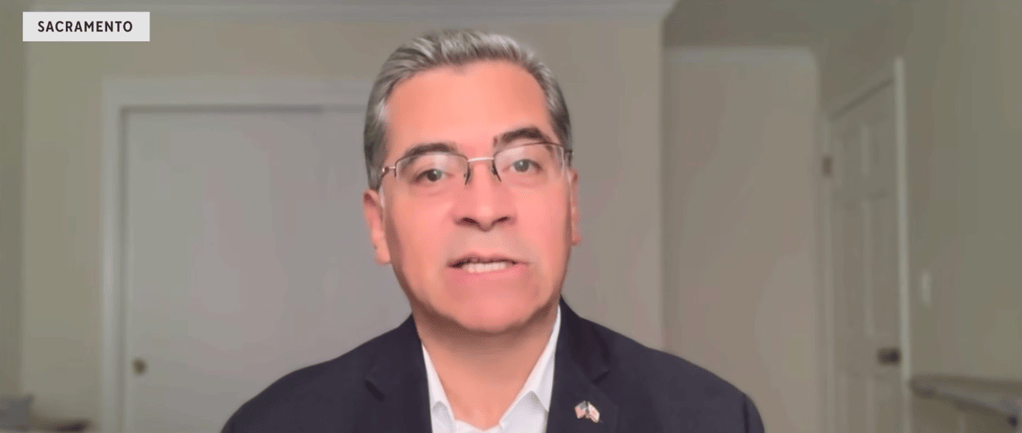
Secretary Becerra, you have declared, “We will invest in our schools like we mean it.” That promise deserves leadership equal to its ambition. As your team considers potential commissioners, I hope the question extends beyond pedigrees and political connections. Who can unite people across differences, challenge conventional thinking, and turn ambitious ideas into measurable results?
California has shown the world what innovation can accomplish. Now it can show the world what educational opportunity can become. The future is not simply something our children will inherit. It is something we have a responsibility to build with them and for them. Children cannot wait years for adults to reorganize government as billions are being cut from federal funding. They need opportunity now.
And perhaps that is the most important question as California considers its first commissioner: Who has the vision to imagine a fundamentally better and more equal education system, the courage to challenge what isn’t working, and the relationships and experience to turn that vision into real and rapid results for children?
If you have a connection to Secretary Becerra or his team, please share this open letter.
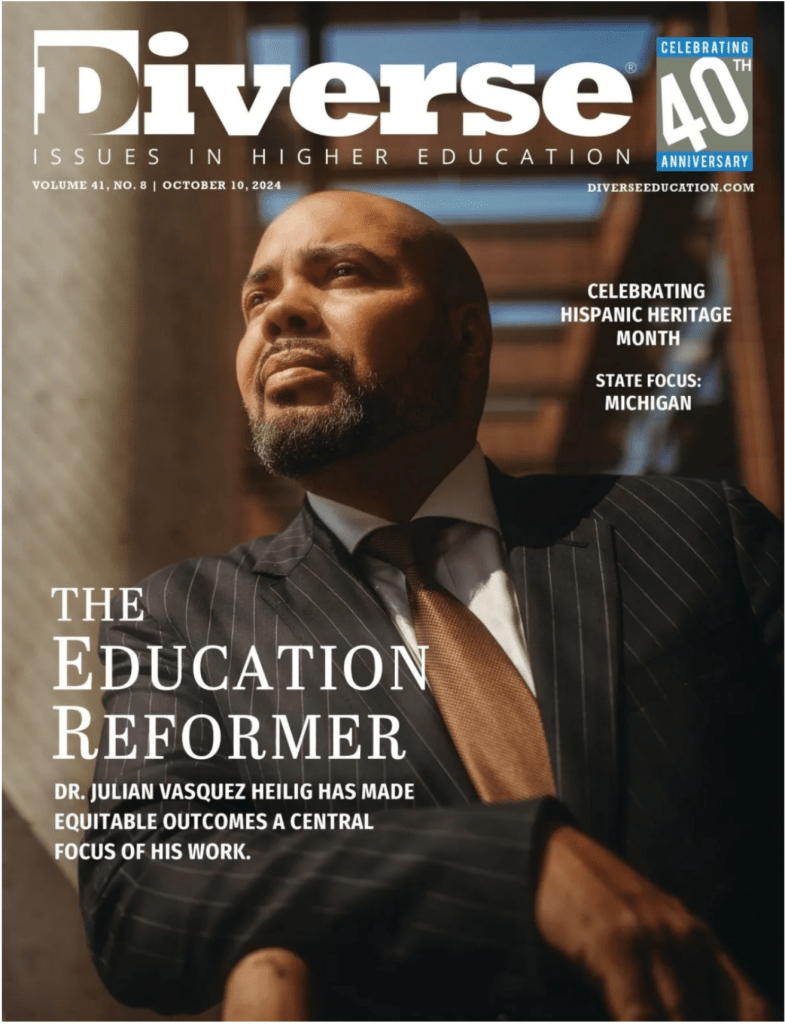
Julian Vasquez Heilig is a nationally recognized education policy scholar, civil rights leader, and experienced university provost and dean. A Stanford-trained scholar and former California–Hawaii NAACP Education Committee chair, he has led educational innovation, improved student outcomes, and strengthened educator preparation across four states. His expertise spans education governance, community accountability, and institutional transformation. Contact him at jvh@alumni.stanford.edu.


Leave a Reply