Author: Dr. Julian Vasquez Heilig
-
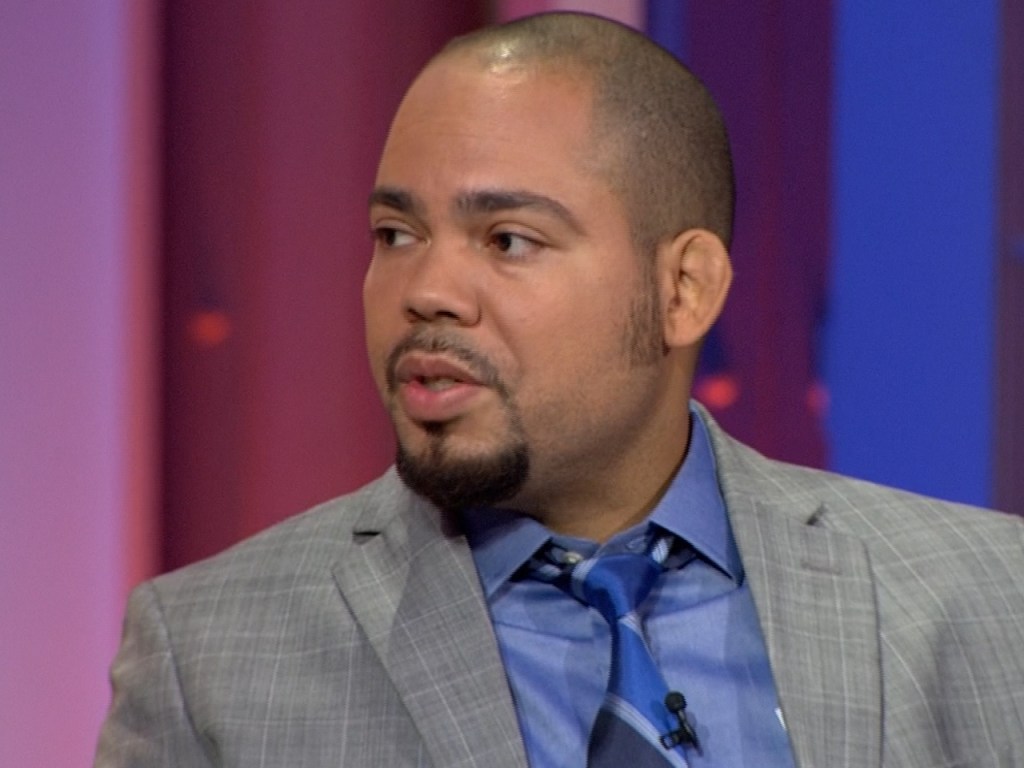
During the second segment of the Melissa Harris-Perry Show at MSNBC’s Education Nation 2012, we discussed access to charter schools. Charters are “public” schools that are run by a variety of organizations such as intergovernmental (UT-Austin), community groups (Making Waves), large privately-operated corporate networks (KIPP). Regardless of who runs the charters, the current public consciousness is that charters are visions…

-
I received an email this morning from an educational professional from Houston. The issue of special needs students (English Language Learners, Special Education, etc) and charters is not going away. Hello Dr. Heilig, I viewed the panel on Education Nation that you were a part of and I wanted to thank you for trying to…
-
Today, at the end of the first segment of the Melissa Harris-Perry Show at MSNBC’s Education Nation 2012, my brief (alter)cation with firebrand journalist Jonathan Alter went something like this: Alter: Its folly to cap charters schools— silly NEA. What are you thinking? Vasquez Heilig: Here’s why. Because according to a Stanford study (conducted by…
-
Tune in to the Melissa-Harris Perry Show on MSNBC Sunday September 23, 2012 between 10 a.m-12 p.m EST. In the fourth segment, I will appear on a panel with Journalist Jonathan Alter, Derrell Bradford, Executive Director of Better Education for Kids, and Lily Eskelsen, Vice-President of the National Education Association to discuss school choice at NBC’s Education Nation Student Town Hall…


 Cloaking Inequity
You must be logged in to post a comment.